

European Power Cord Guide: Types, Standards
Content Menu
● 1. What Is a European Power Cord?
● 2. Decoding European Plug Types: Beyond the Basics
>> Type E
● 3. Electrical Parameters and Voltage Realities in Europe
● 4. Conductor Specifications and Cable Selection
● 5. Regulatory Compliance: CE vs. VDE and Safety Gate Insights
● 6. Practical B2B Sourcing Framework & RFQ Checklist
>> The 6-Step Sourcing Process
● Frequently Asked Questions (FAQ)
When sourcing electrical components for international distribution, one of the most common oversights I see among procurement teams is treating the European power cord as a single, uniform commodity.
If you are an importer, wholesaler, or appliance manufacturer, ordering power cords simply by designating them for "Europe" almost always leads to compliance failure, customs delays, or safety mismatches. Because electrical standards, socket designs, and grid configurations vary significantly across different European regions, a successful supply chain strategy requires an understanding of technical specifications, plug variants, and strict manufacturing standards.
1. What Is a European Power Cord?
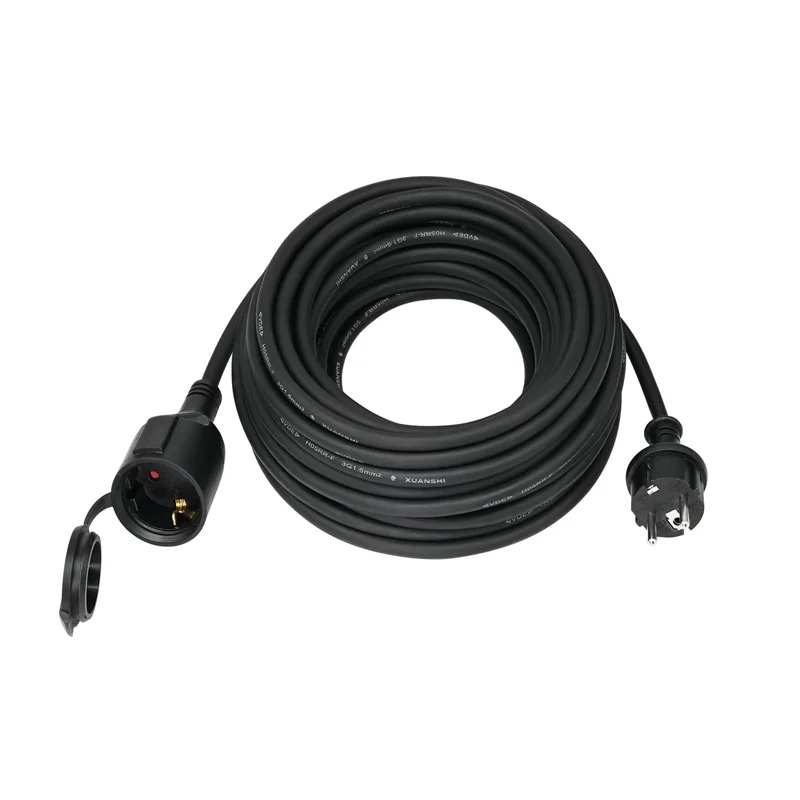
At its core, a European power cord is a flexible cable assembly designed to connect electrical appliances to regional power sources. However, it is not a monolithic product.
From an engineering perspective, a power cord consists of three primary components that must be engineered to match your application:
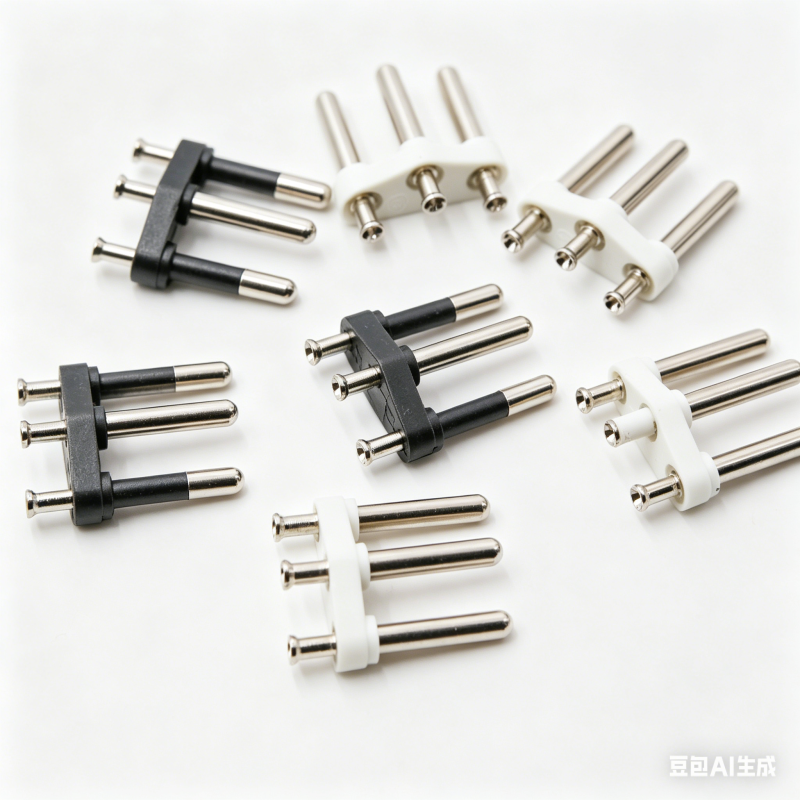
*The Plug Configuration: Molded onto one end to interface with local wall sockets (such as Schuko, French, or Europlug variants).

* The Flexible Cable: Evaluated by its conductor count, cross-sectional area (3G0.75mm2vs. 3G 1.5mm2), insulation material, and temperature rating.
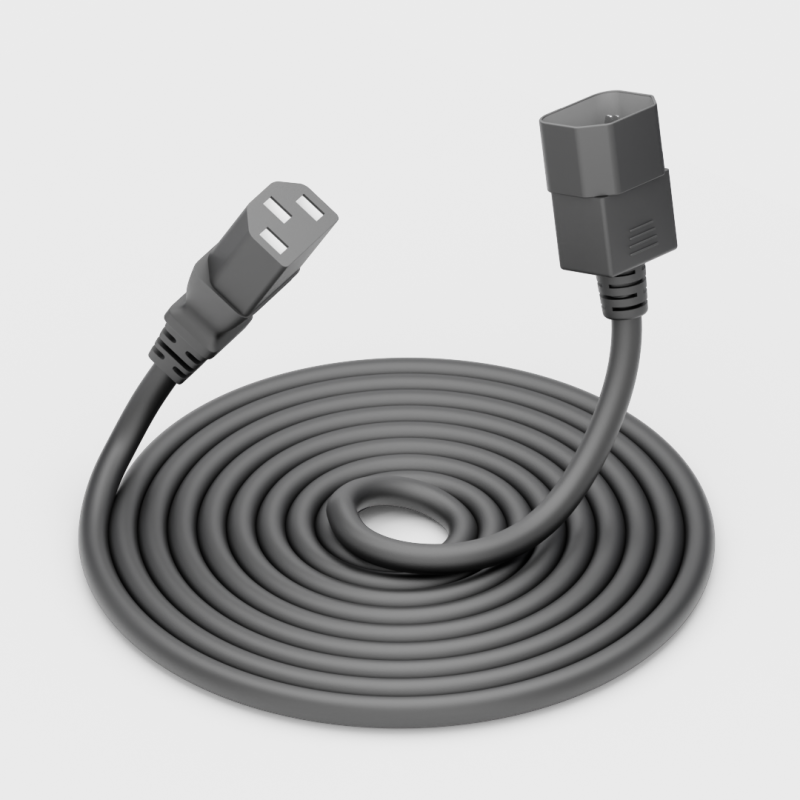
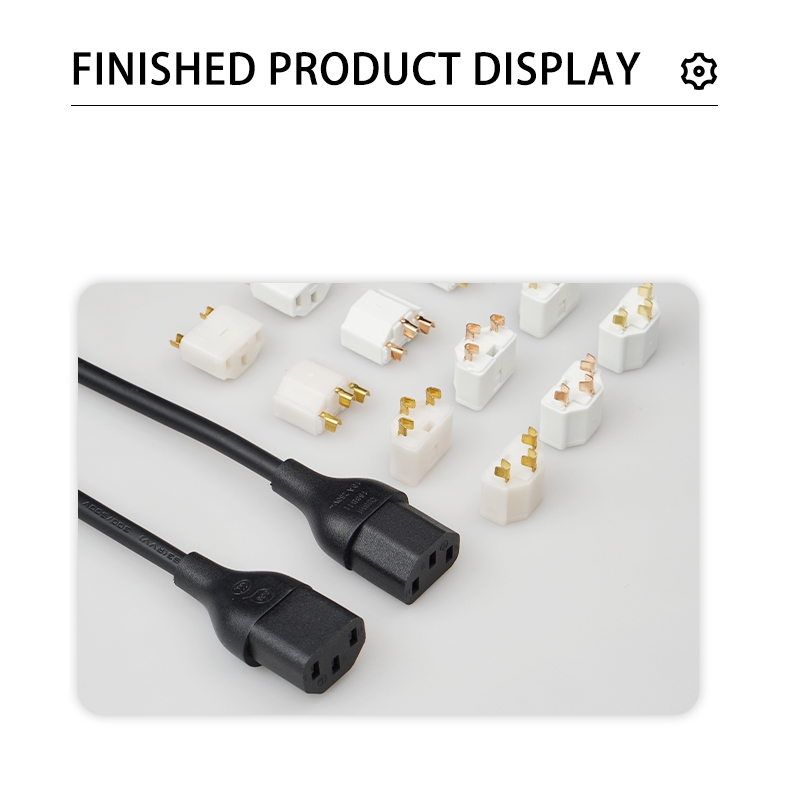
* The Equipment-End Termination: Finished either as stripped and tinned bare wire or integrated with an IEC connector (such as C13, C5, C7, or C15) to fit into the target appliance.
2. Decoding European Plug Types: Beyond the Basics
A frequent point of confusion during the Request for Quotation (RFQ) stage is distinguishing between various plug systems. Europe relies on several distinct configurations depending on the country and grounding requirements.
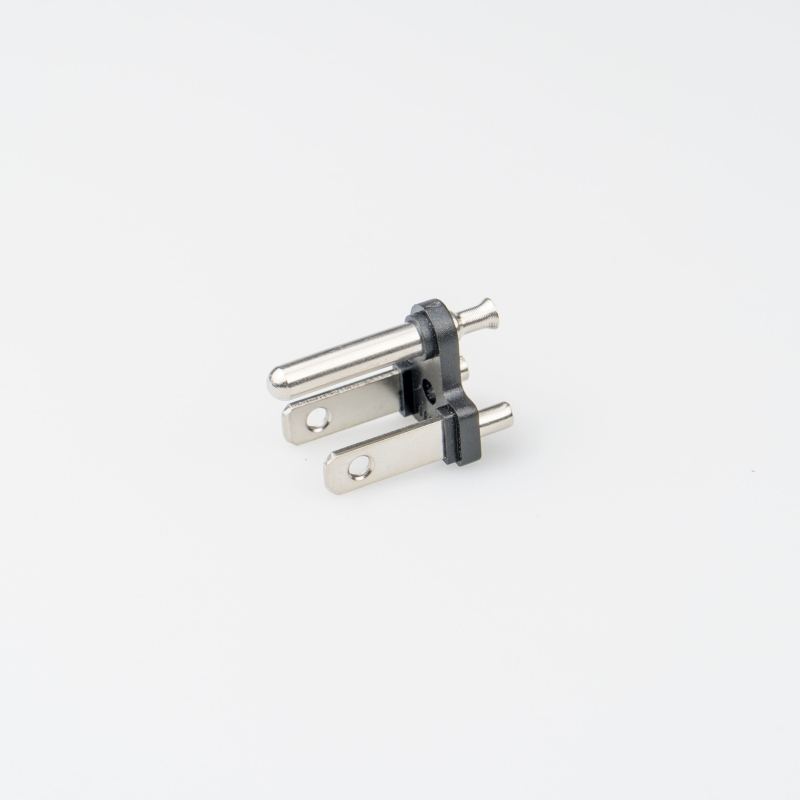
Type C (Europlug)
Structure: CEE 7/16, 2-pin, ungrounded, compact profile.
Application: Ideal for low-power, double-insulated Class II appliances like small chargers, radios, and desk lamps. It cannot be used for equipment requiring protective earth grounding.

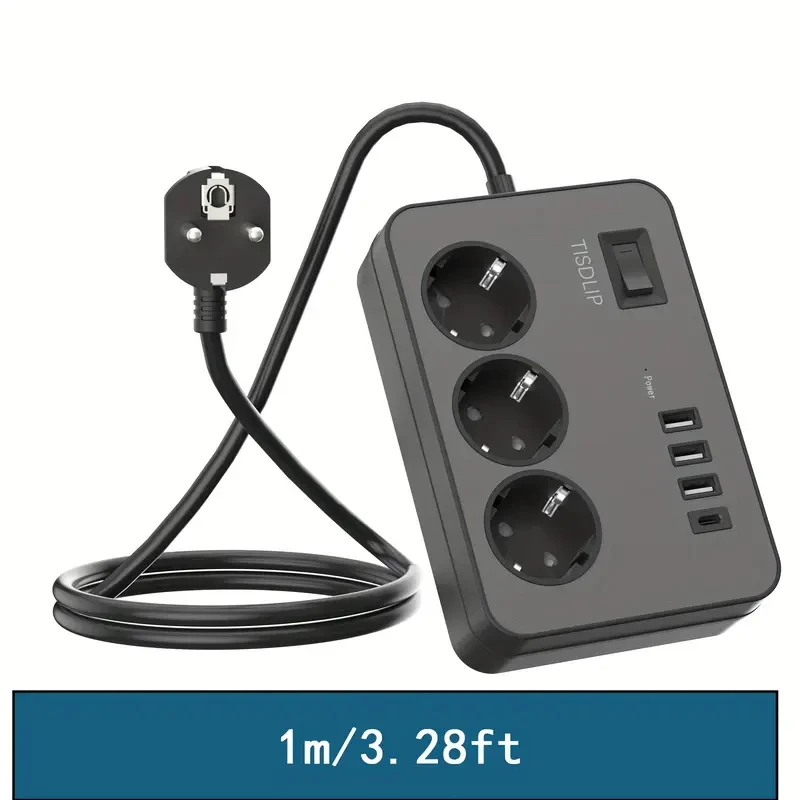
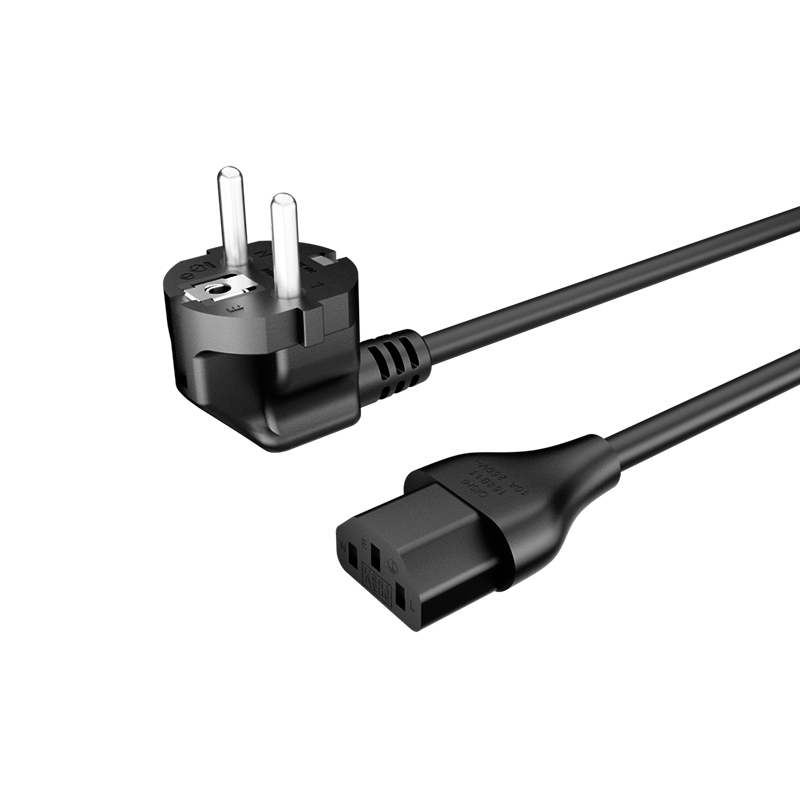
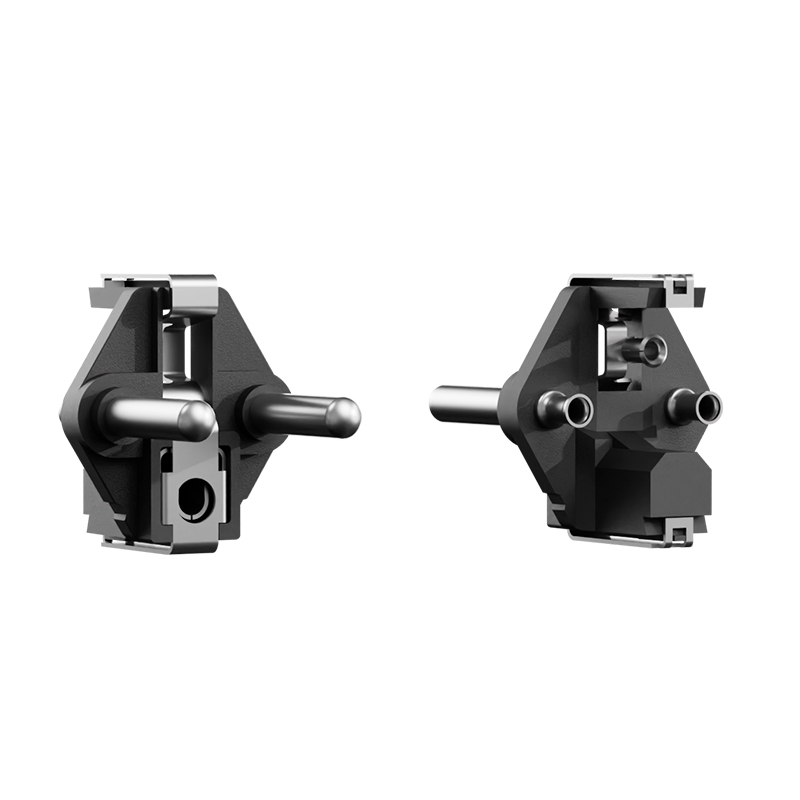
Type F CEE 7/7 power cord(Schuko)
Structure: Two round pins equipped with dual side earth clips. Widely adopted in Germany, Spain, and the Netherlands.
Application: Standard for heavy-duty consumer electronics, kitchen appliances, office hardware, and power tools.

Type E
Structure: Features a male grounding pin protruding from the socket, which mates with a female receptacle on the plug. Commonly deployed in France and Belgium.
CEE 7/7 Hybrid Plug
Structure: An advanced design featuring both side earth clips and a receptacle hole for the French male grounding pin.
* Application: Because it accommodates both Type E and Type F sockets, it has become the standard solution for cross-border European distribution.
3.Electrical Parameters and Voltage Realities in Europe
Understanding regional electrical grids is critical for preventing catastrophic hardware failures.
* Grid Standard: The vast majority of European markets operate on a nominal voltage of 230V / 50Hz.
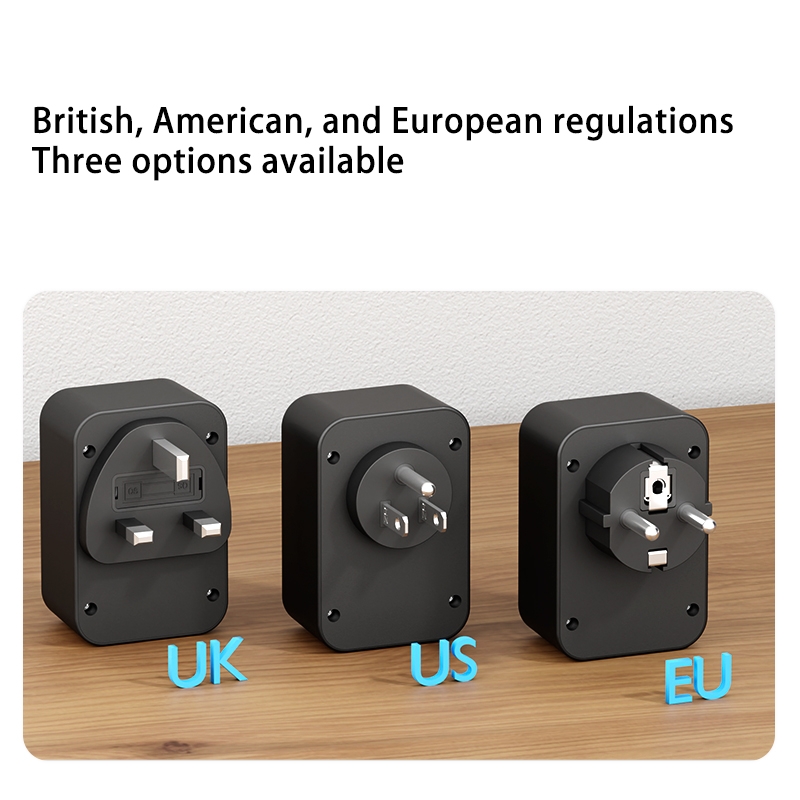
* The Voltage Misconception: A power cord is purely a transmission medium; it does not regulate or convert voltage. If an appliance is rated exclusively for 120V (North American standard), utilizing a European power cord or a physical travel adapter will not protect the internal circuitry from over-voltage damage. Always cross-reference the appliance nameplate before specifying cables.
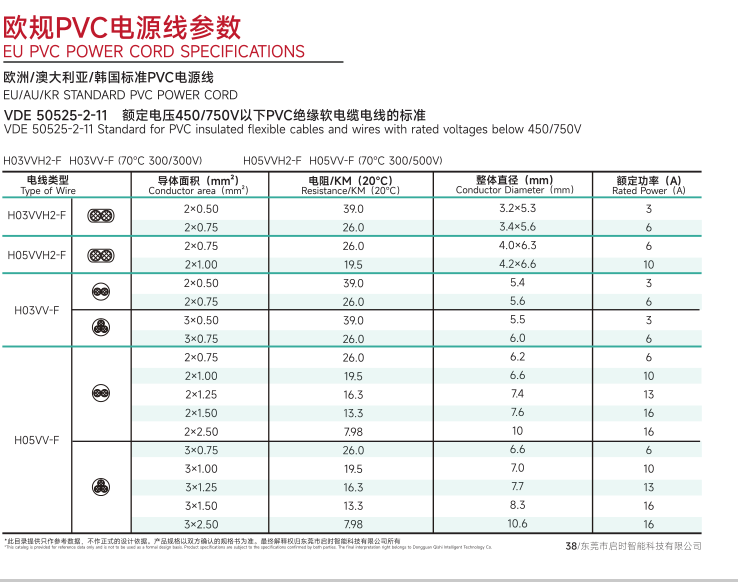
4. Conductor Specifications and Cable Selection
Many buyers focus entirely on the wall plug while ignoring the technical specifications of the cable itself. Conductor size directly affects performance factors such as current-carrying capacity, thermal rise, voltage drop, and mechanical longevity.
* Gauge and Cross-Section: For instance, an `H05VV-F 3×0.75mm²` cord and an `H05VV-F 3×1.5mm²` cord serve different current loads. High-power devices, long cable runs, and continuous-duty industrial machinery require thicker conductor cross-sections to ensure safe, reliable operation.
* Insulation and Materials: Premium manufacturing utilizes high-grade copper conductors paired with robust PVC, rubber, or specialized compounds to match environmental requirements (such as temperature resilience and flexibility).
5. Regulatory Compliance: CE vs. VDE and Safety Gate Insights
Navigating European regulatory compliance requires distinguishing between manufacturer declarations and independent laboratory certifications.
* CE Marking: This represents a manufacturer's legal declaration that a product conforms to all applicable European harmonization directives, such as the Low Voltage Directive (LVD 2014/35/EU). It is an administrative conformity mark rather than a third-party safety certification.
* VDE power cord Certification: A rigorous, highly respected independent third-party certification that validates strict adherence to European electrical safety standards.
* Market Surveillance Data: Reports from the European Union's Safety Gate system frequently highlight electrical components flagged for non-compliance or inadequate documentation. For B2B importers, sourcing components backed by complete test reports, material compliance records (RoHS/REACH), and traceable factory quality control minimizes legal and financial risk.
6. Practical B2B Sourcing Framework & RFQ Checklist
To streamline communication with a power cord manufacturer like TISDLIP, engineering and procurement teams should avoid vague descriptions and provide fully articulated specifications.
The 6-Step Sourcing Process
1. Define Target Market: Specify the exact country of deployment (e.g., Germany, France).
2. Verify Electrical Ratings: Check voltage, frequency, and maximum current load (e.g., 16A, 250V).
3. Select Plug Interface: Choose between CEE 7/7, Schuko, Type C, or Type E.
4. Determine Cable Construction: Specify core count, conductor cross-section, and length.
5. Choose Appliance-End Termination: Define whether an IEC connector (C13, C5, C7) or stripped/tinned wire ends are required.
6. Confirm Documentation: Request corresponding test reports, declarations of conformity, and safety certificates.
Standardized RFQ Checklist
When submitting your inquiry, include the following parameters to accelerate sample development and mass production:
| Parameter | Specification Example |
| Target Market | Germany / France / Spain / Netherlands |
| Plug Type | CEE 7/7 / Schuko / Type C / Type E |
| Rated Voltage | 250V |
| Rated Current | 16A |
| Cable Spec | H05VV-F 3×0.75mm² |
| Length | 1.5m / 1.8m / Custom |
| Equipment End | IEC C13 / Stripped & Tinned / Custom |
| Color | Black / White / Custom |
| Certifications | VDE / CE / RoHS / REACH |
| Order Phase | Sample / Trial Order / Mass Production |
Conclusion
Sourcing power distribution components for European markets requires looking beyond generic terminology and focusing on precise electrical engineering, material compliance, and rigorous manufacturing controls.
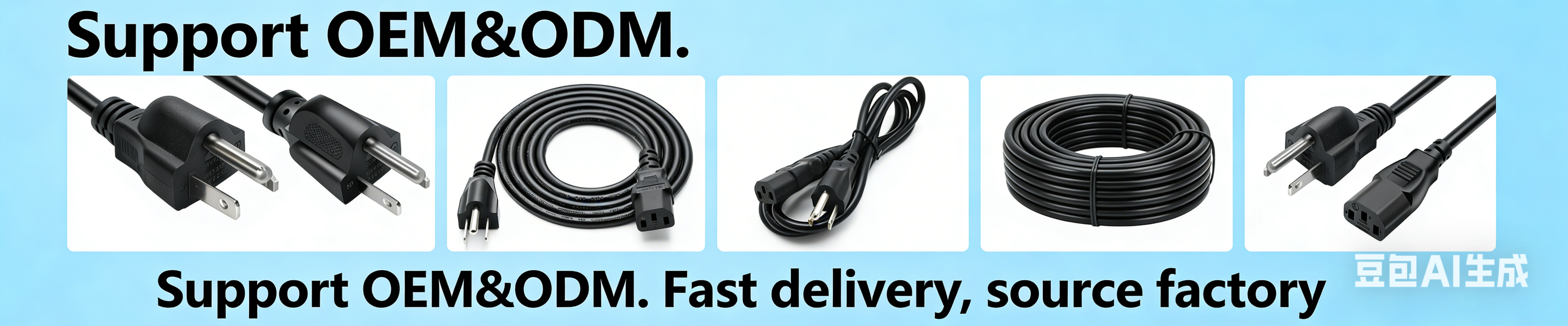
At TISDLIP, our manufacturing operations specialize in OEM/ODM power cord solutions tailored to exact technical requirements—from customized plug configurations and cable lengths to strict quality assurance protocols. Contact our engineering team today to discuss your specifications or submit an RFQ for your upcoming project.
Frequently Asked Questions (FAQ)
1. What is a European power cord?
It is a flexible electrical cable designed to connect appliances to European wall outlets, encompassing various plug standards depending on the destination country.
2. Are all European power cords of the Schuko type?
No. While Schuko (Type F) is common in countries like Germany, nations like France use Type E, and general low-power devices often utilize Type C.
3. What is the difference between CEE 7/7 and Schuko plugs?
A Schuko plug features side earth clips for Type F sockets, whereas a CEE 7/7 plug features a hybrid design compatible with both Type E and Type F socket systems.
4. What voltage should I expect in European markets?
Most European countries operate on a standard 230V / 50Hz electrical grid.
5. Can a Type C plug be used for all European appliances?
No. Type C is ungrounded and limited to low-power Class II devices; appliances requiring earth protection must use grounded plugs like Type E or Type F.
6. How do I choose the correct conductor cross-section?
Conductor sizing depends on the appliance's rated current, operating power, cable length, and thermal environment (e.g., choosing between 0.75 2and 1.5mm2).
7. Does a CE mark mean a power cord has independent safety certification?
No. The CE mark indicates manufacturer self-declaration of conformity with EU directives, whereas marks like VDE represent independent third-party testing.
8. What information is required to get an accurate manufacturing quote?
An effective RFQ should specify the target country, plug type, voltage, current rating, cable gauge, length, equipment-end termination, and required compliance documentation.
Recommended Internal Links
Explore TISDLIP Schuko Power Cord Solutions
Custom OEM/ODM Cable Manufacturing Capabilities
B2B Compliance & Certification Documentation Guide



 Email
Email