


How to Choose the Right Server Power Cords for Data Center PDUs: C13, C14, C19 & C20 Selection Guide
Content Menu
● Understanding IEC 60320 Connector Types for Servers and PDUs
● Matching Current Ratings and Wire Gauge Requirements
● Essential Safety Certifications and Material Quality
● Practical Steps for Selecting and Installing Power Cords
● Best Practices for Length, Routing, and High-Density Environments
● Common Mistakes That Lead to Failures
● Conclusion and Call to Action
● FAQ
Selecting the correct server power cords for data center PDUs (Power Distribution Units) is one of the most overlooked yet critical decisions in rack design and facility safety. A mismatched or undersized cable can cause voltage drop, overheating, equipment shutdowns, or even fire. As someone who has spent years specifying and reviewing power infrastructure for enterprise and high-density compute environments, I treat power cords with the same rigor as PDUs and UPSs. The original engineering principles remain straightforward: match the connector, size for current with margin, demand proper certifications, control length, and insist on quality copper and jacket materials.
This guide expands those fundamentals with practical calculation steps, high-density considerations, and lessons from real deployments so you can specify cords that support continuous, safe operation.
Understanding IEC 60320 Power Cord Connector Types for Servers and PDUs
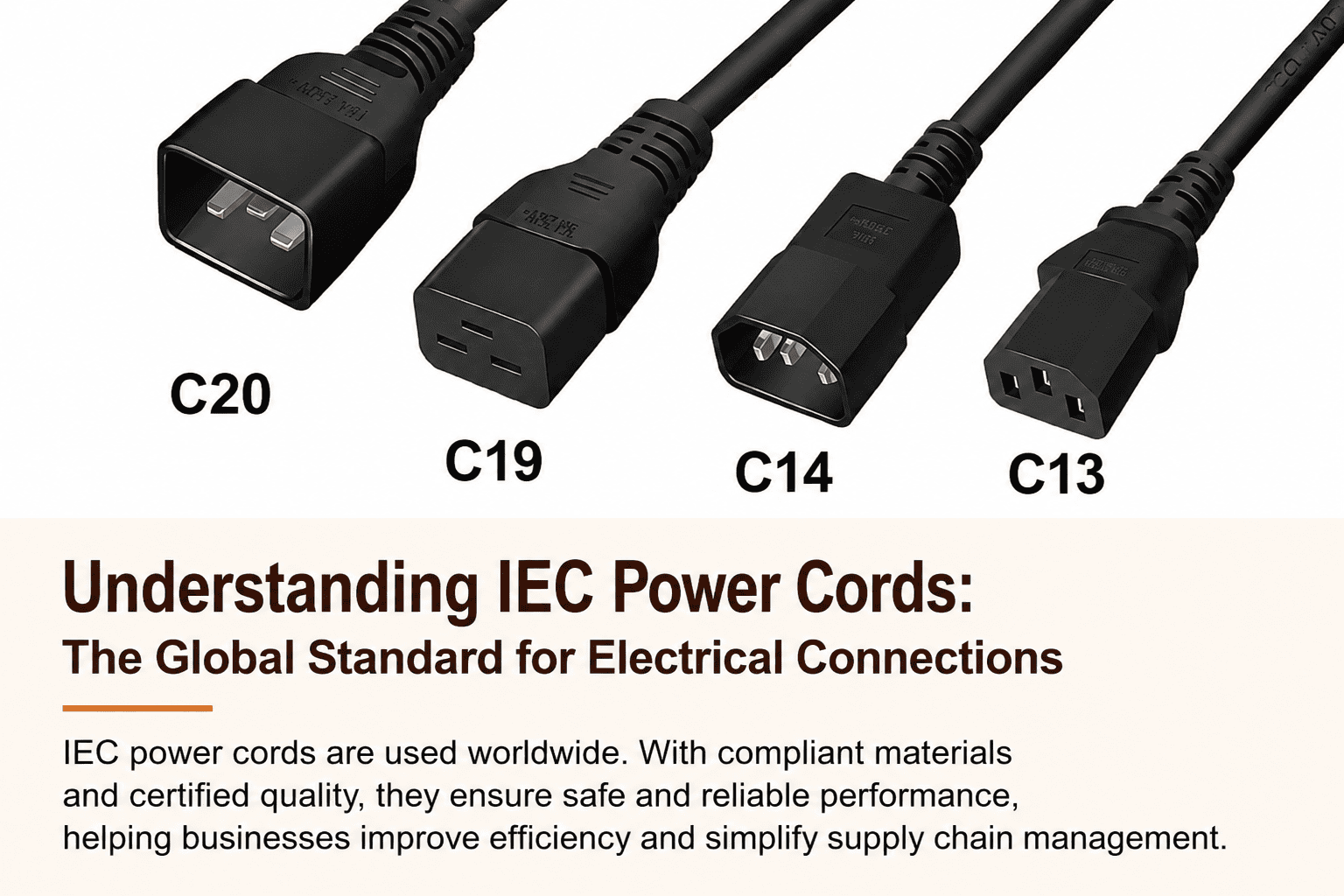
Almost every modern server, switch, storage array, and rack PDU uses IEC 60320 appliance couplers. The two dominant pairs in data centers are:
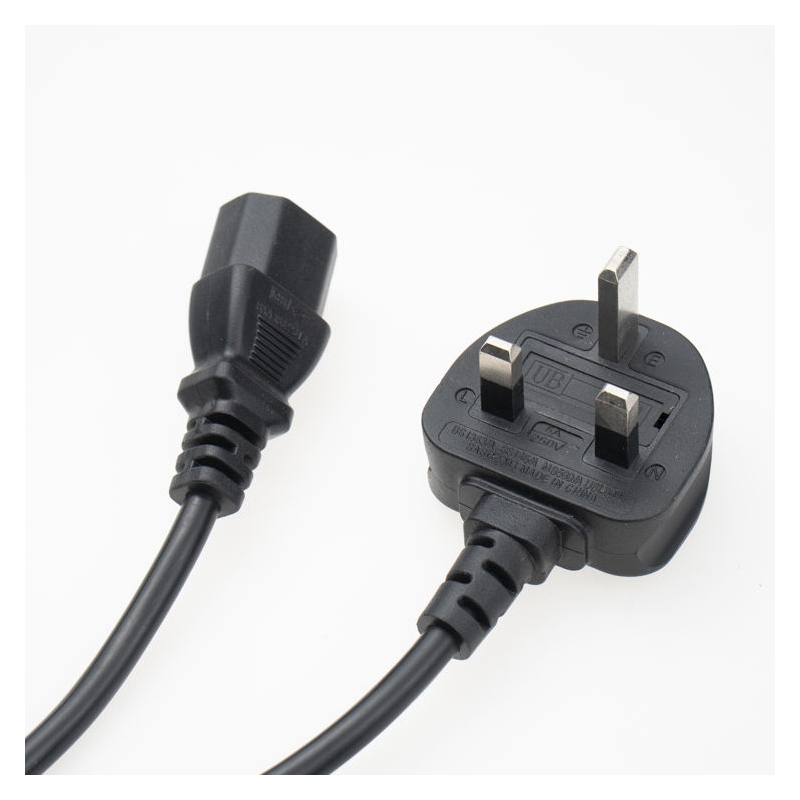
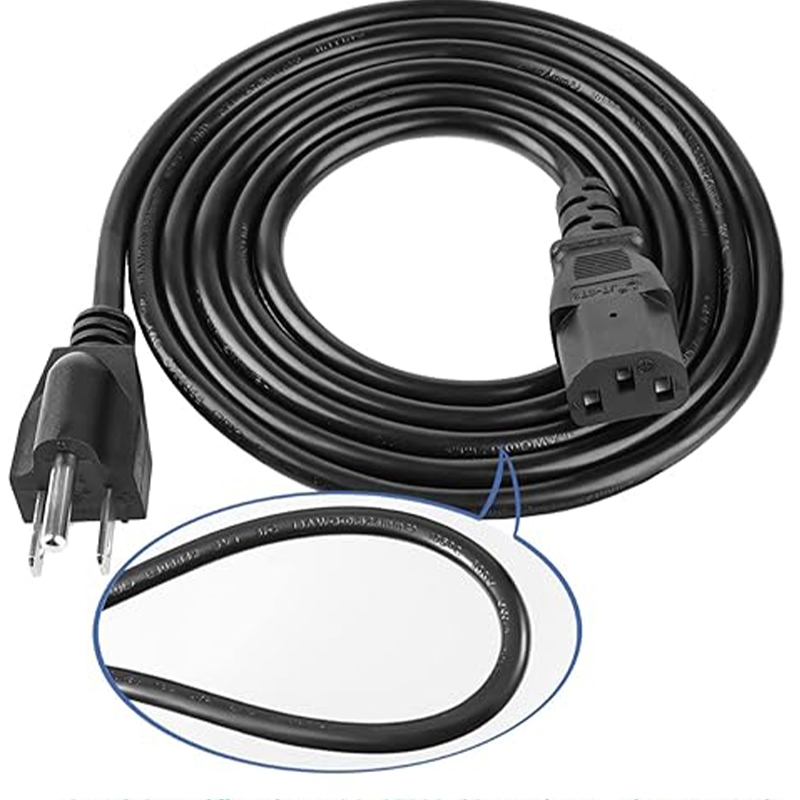
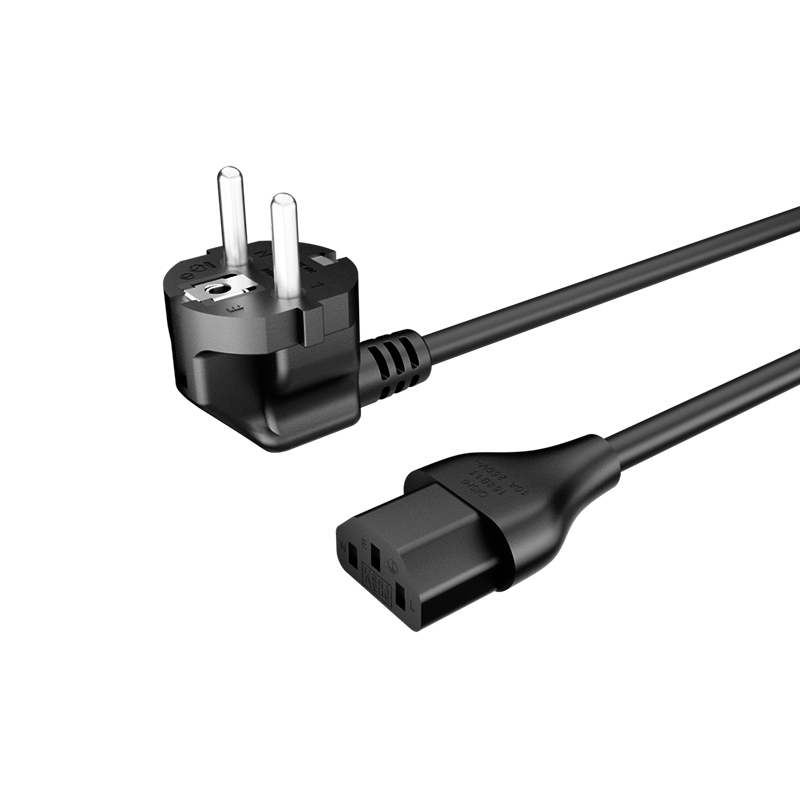
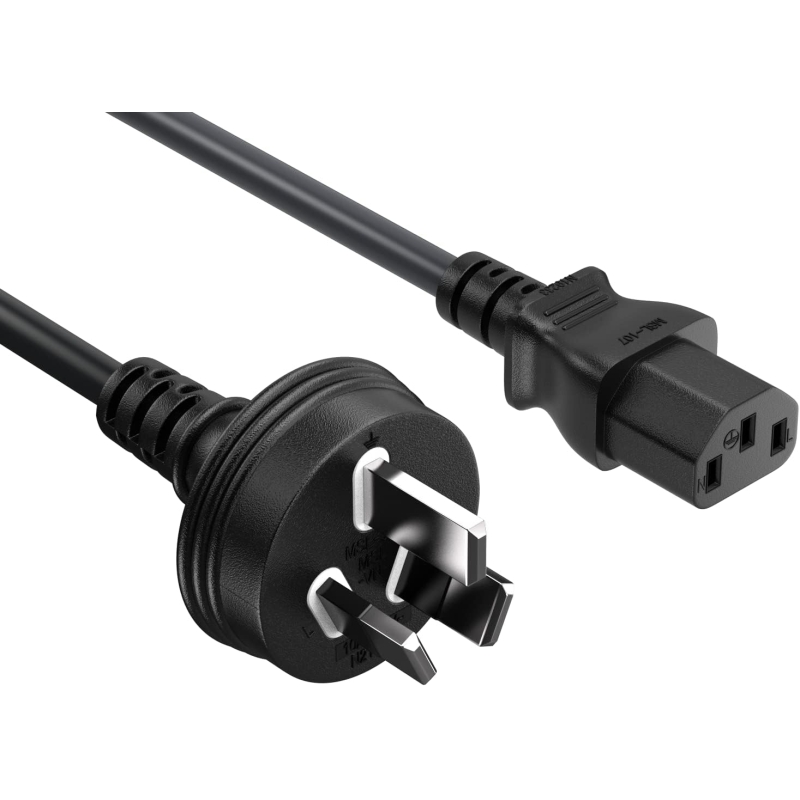
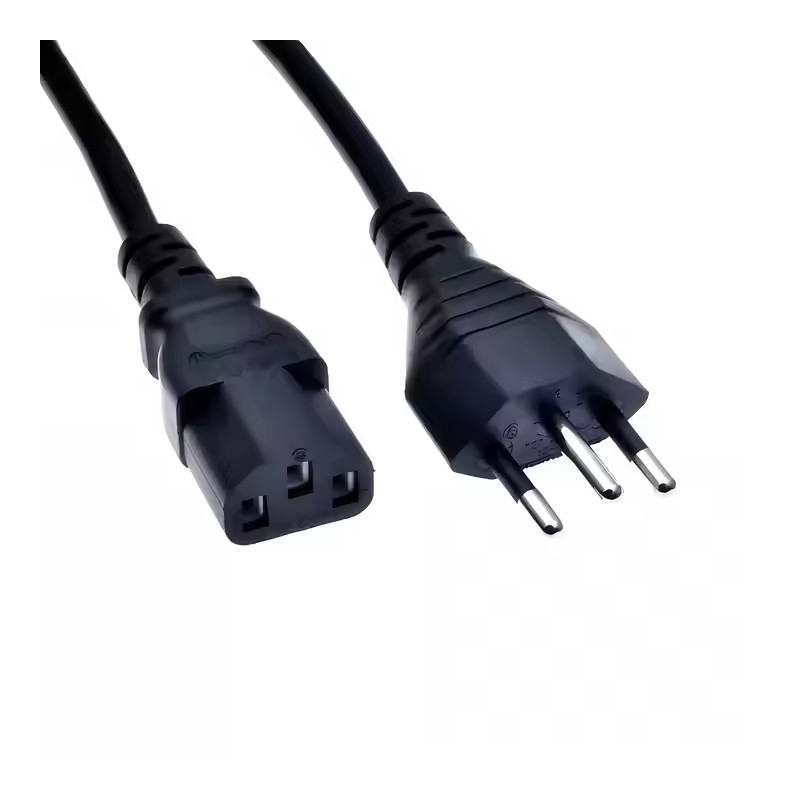
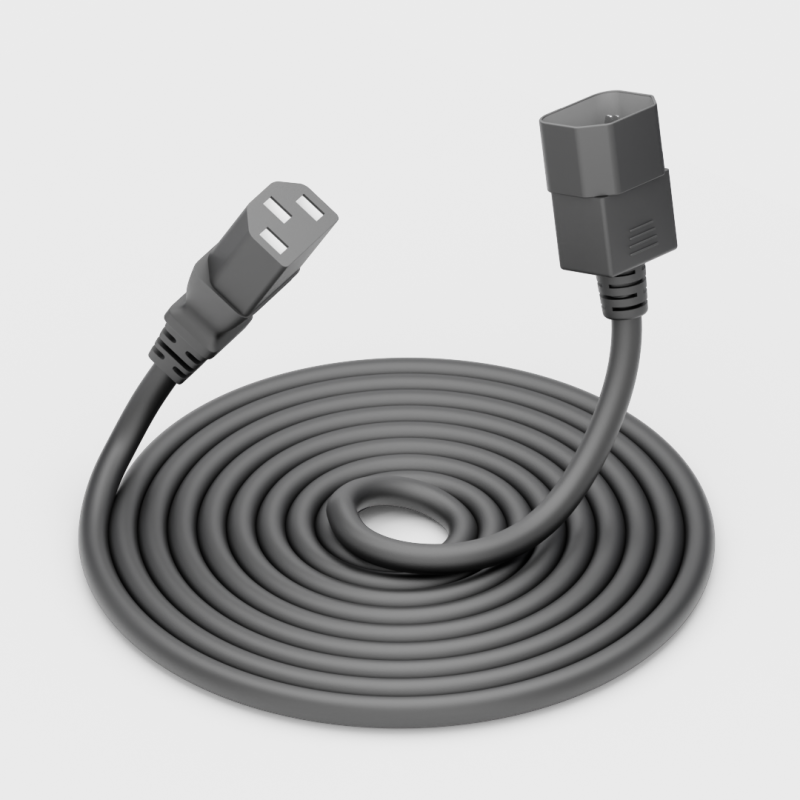
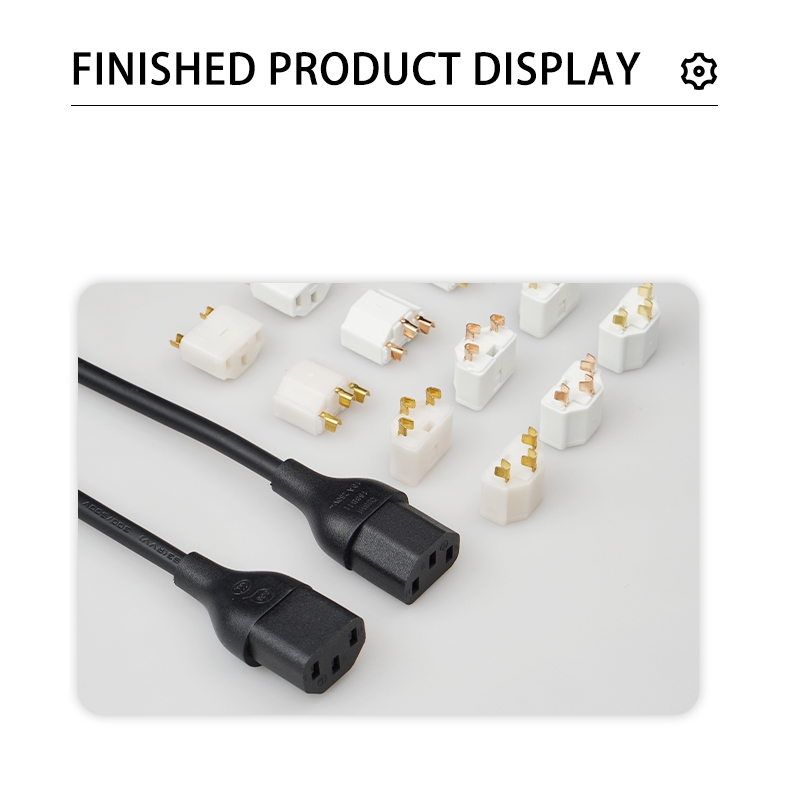
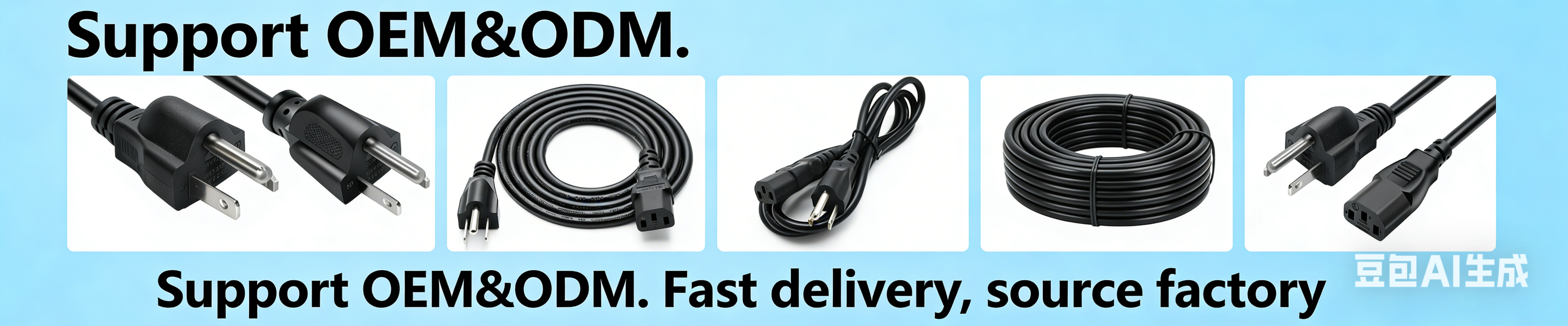
- C13 / C14 power cord — Rated 10 A / 250 V under IEC (often 13–15 A under North American UL listings). The C13 is the female coupler on the cord; the C14 is the male inlet on the equipment or the receptacle on many PDUs. These power the majority of 1U/2U servers, network switches, and moderate-load devices.
- C19 / C20 power Cables — Rated 16 A / 250 V under IEC (commonly 20 A under UL). The C19 coupler mates with the C20 inlet. These are required for high-power servers, blade chassis, large UPS units, and high-density compute nodes.
The physical size difference is intentional: a C13 will not fit a C20 inlet and vice versa. This mechanical interlock prevents accidental under-rating. In a typical rack you will often see mixed outlets—C13 sockets for standard gear and C19 sockets for high-draw equipment.
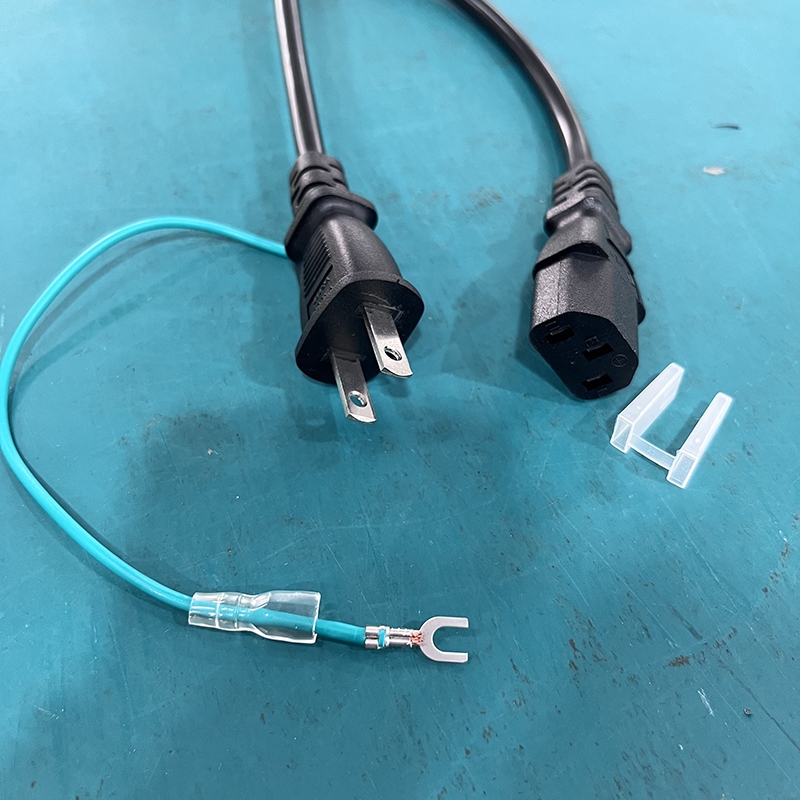
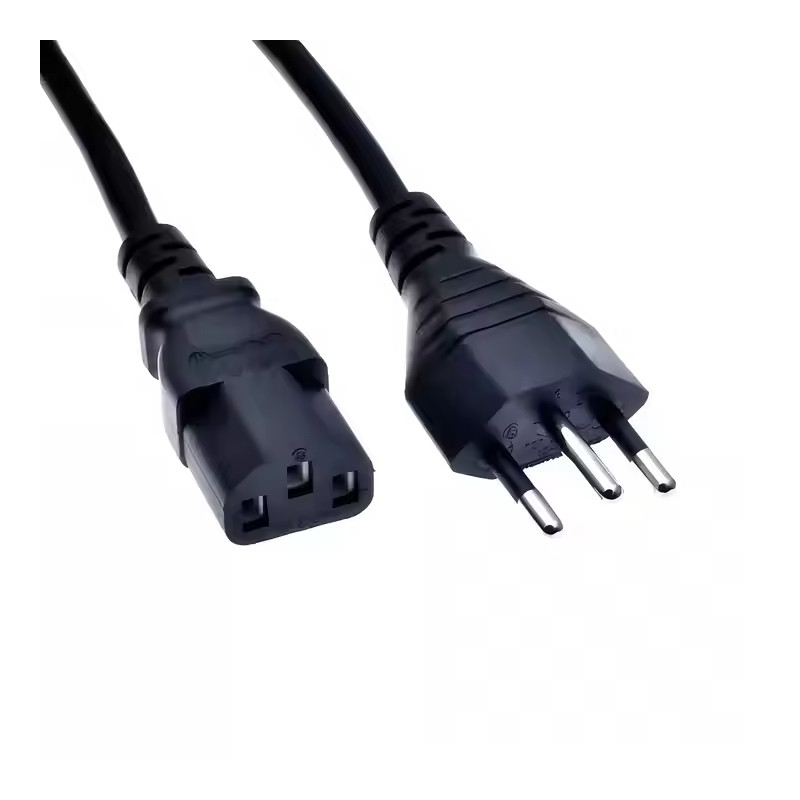
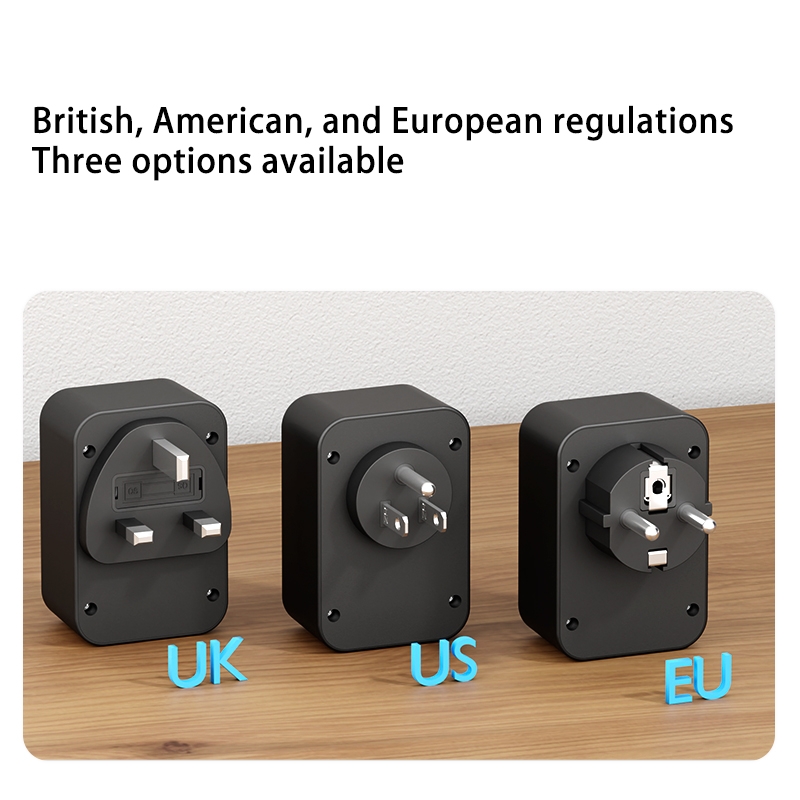
On the facility or wall side (especially outside pure IEC rack environments), regional plugs apply. In many Chinese and international projects the supply end uses standard 10 A or 16 A three-flat national plugs. Always confirm both ends of the cord match the actual hardware on site.
Matching Current Ratings and Wire Gauge Requirements
Current capacity is non-negotiable. Calculate maximum load current from the equipment nameplate or power-supply rating:
Power (W) = Voltage (V) × Current (A)
At 220–230 V common in many regions, a 10 A power cord safely supports roughly 2,200–2,300 W continuous under ideal conditions. A 16 A cord supports approximately 3,500–3,700 W. Always apply derating: continuous IT loads should leave headroom for inrush, peak utilization, and future upgrades. Industry practice often targets 80 % of the cord's rated capacity as a practical continuous limit.
Wire cross-section must match the rating. For 16 A server power cable engineering-grade cords the minimum accepted conductor size is 3 × 2.5 mm²power cord (approximately 14 AWG). Lighter gauges create excess resistance, heat, and voltage drop—especially in longer runs or dense cable bundles. Pure copper (oxygen-free preferred) delivers lower resistance and better long-term reliability than copper-clad aluminum. Jacket markings should clearly state the gauge and construction; any "shrinkage" of conductor size is a red flag.
Practical calculation steps:
1. Sum the nameplate wattage of all devices on one circuit or one PDU branch.
2. Divide by operating voltage to obtain amperes.
3. Add 20–25 % margin for peaks and growth.
4. Select the next higher standard cord rating and matching gauge.
5. Verify the PDU power cord outlet rating itself is not the limiting factor.
Essential Safety Certifications and Material Quality
Commercial and project data centers require documented safety certifications. Common mandatory or strongly preferred marks include:
- CCC (China Compulsory Certification)
- UL / cUL (North America)
- VDE power cord (Germany / Europe)
- PSE (Japan), KC power cord (Korea), and others depending on market
Absence of proper certification frequently blocks project acceptance and customs clearance. Beyond the mark, examine flame-retardant rating (V-0 preferred) and temperature rating (90 °C or 105 °C jackets are common for continuous-duty use). High-quality PVC or better compounds provide self-extinguishing behavior and resistance to aging under elevated ambient temperatures found in hot-aisle environments.
Conductor purity and jacket integrity directly affect temperature rise and long-term insulation life. Demand full-specification cords rather than lowest-cost commodity versions.
Practical Steps for Selecting and Installing Power Cords
Beyond matching connector and rating, follow a repeatable process:
1. Inventory every device inlet type and nameplate current.
2. Map the corresponding PDU outlet types (C13 or C19).
3. Choose cord length so that excess slack is minimal—typically 0.5–2 m for rack-internal runs. Longer cords increase voltage drop and create management problems.
4. Prefer locking or retention-clip versions (A-Lock, V-Lock, or equivalent) in high-traffic or vibration-prone racks to prevent accidental unplugging.
5. Color-code primary and secondary power feeds (commonly red/blue) for rapid visual identification during maintenance.
6. Document the exact part numbers and certifications in the bill of materials for future spares and audits.
For high-density AI or GPU racks where per-rack power routinely exceeds traditional levels, re-evaluate every branch circuit and consider whether C19/C20 power cord (or higher-power specialized connectors) are required across more devices.
Best Practices for Length, Routing, and High-Density Environments
Keep cords as short as practical while allowing neat routing and service loops. Excess length increases resistance, heat, and the risk of tangled bundles that impede airflow. Separate power and data cables where possible. In dense deployments, verify that cable fill does not exceed tray or raceway recommendations and that ambient temperature around bundled cords stays within the jacket rating.
Locking connectors have become standard in many professional installations precisely because a single accidental disconnect can take down a critical server or storage node. When specifying large quantities, request factory test reports (hi-pot, continuity, insulation resistance) for each batch.
Common Mistakes That Lead to Failures
From field experience, the most frequent and costly errors are:
- Using a C13 cord on a device with a C20 inlet (or forcing an adapter).
- Selecting a thin-gauge "16 A" cord that is actually undersized.
- Ignoring inrush current and continuous-load derating.
- Buying uncertified or poorly marked cables to save a few dollars per unit—only to fail inspection or create safety risk.
- Allowing long, coiled excess cable under raised floors or in rear cable managers, creating hot spots.
Correcting these after installation is far more expensive than specifying properly from the start.
Conclusion and Call to Action
Reliable data center power begins with the cord that connects the PDU to the server. Match the IEC 60320 connector pair, size the conductor for the true load plus margin, demand recognized safety certifications, keep lengths short, and choose quality pure-copper construction with appropriate flame ratings. These steps protect equipment, maintain uptime, and satisfy engineering and safety reviews.
When you are preparing the next rack bill of materials or reviewing an existing facility, audit every power cord against the criteria above. If you need help translating equipment lists into a complete, certified cord schedule, consult experienced power-infrastructure specialists or manufacturers that publish full technical data and test reports. Getting the small details right prevents large problems later.
FAQ
1. What is the difference between C13/C14 and C19/C20 power cords?
C13/C14 are rated 10 A / 250 V (IEC) and suit standard servers and switches. C19/C20 are rated 16 A / 250 V and are required for higher-power servers, blades, and UPS equipment. They are physically incompatible.
2. What wire gauge is required for a 16 A server power cord?
Engineering practice and many regional standards call for 3 × 2.5 mm² (≈14 AWG) pure copper conductors for 16 A continuous-duty cords.
3. Why are certifications such as CCC, UL, or VDE important?
They verify the cord meets safety, construction, and performance requirements. Uncertified cords often fail project acceptance and carry elevated fire and reliability risk.
4. How long should data center power cords be?
As short as practical—commonly 0.5–2 m for rack-internal use—to minimize voltage drop, heat, and cable clutter while still allowing neat routing and service access.
5. Should I use locking power cords in a data center?
Yes, especially in high-density or high-traffic racks. Locking or retention features significantly reduce accidental disconnects that can cause unexpected outages.
6. Can I mix C13 and C19 outlets on the same PDU?
Yes. Many intelligent PDUs offer mixed C13 and C19 receptacles precisely so different device types can be powered from one unit. Always match the cord to the specific outlet and device inlet.
References
- Access Communications – IEC 60320 Connector Guide (C13, C14, C19, C20 ratings and applications): https://www.accesscomms.com.au/a-guide-to-iec-connectors-iec-60320/
- CableLeader – Server Power Cord Types: C13/C14, C19/C20 & Locking: https://www.cableleader.com/blog/post/server-power-cord-types
- FS.com and related IEC power cord technical resources on connector ratings and gauges
- UL Solutions – Data Center Power Cable and Cord-Set Testing & Certification information (UL 817, UL 2137 context): https://www.ul.com/services/data-center-power-cable-testing-and-certification
- Industry wire-gauge and ampacity references for 14 AWG / 2.5 mm² conductors in power-cord applications



 Email
Email