

Content Menu
● Step 1: Understand Why Global Power Plug Standards Are Not Unified
● Step 2: Identify the Required Plug Type for Your Target Market
● Step 3: Determine If Grounding Is Required
● Step 4: Select the Correct Wire Gauge (AWG vs mm²)
● Step 5: Choose the Right Cable Jacket Material Based on Environment
● Step 6: Ensure You Have the Correct Safety Certifications
● In-Depth Analysis: Major Regional Standards and Manufacturing Notes
● Industry Application Recommendations
● FAQ
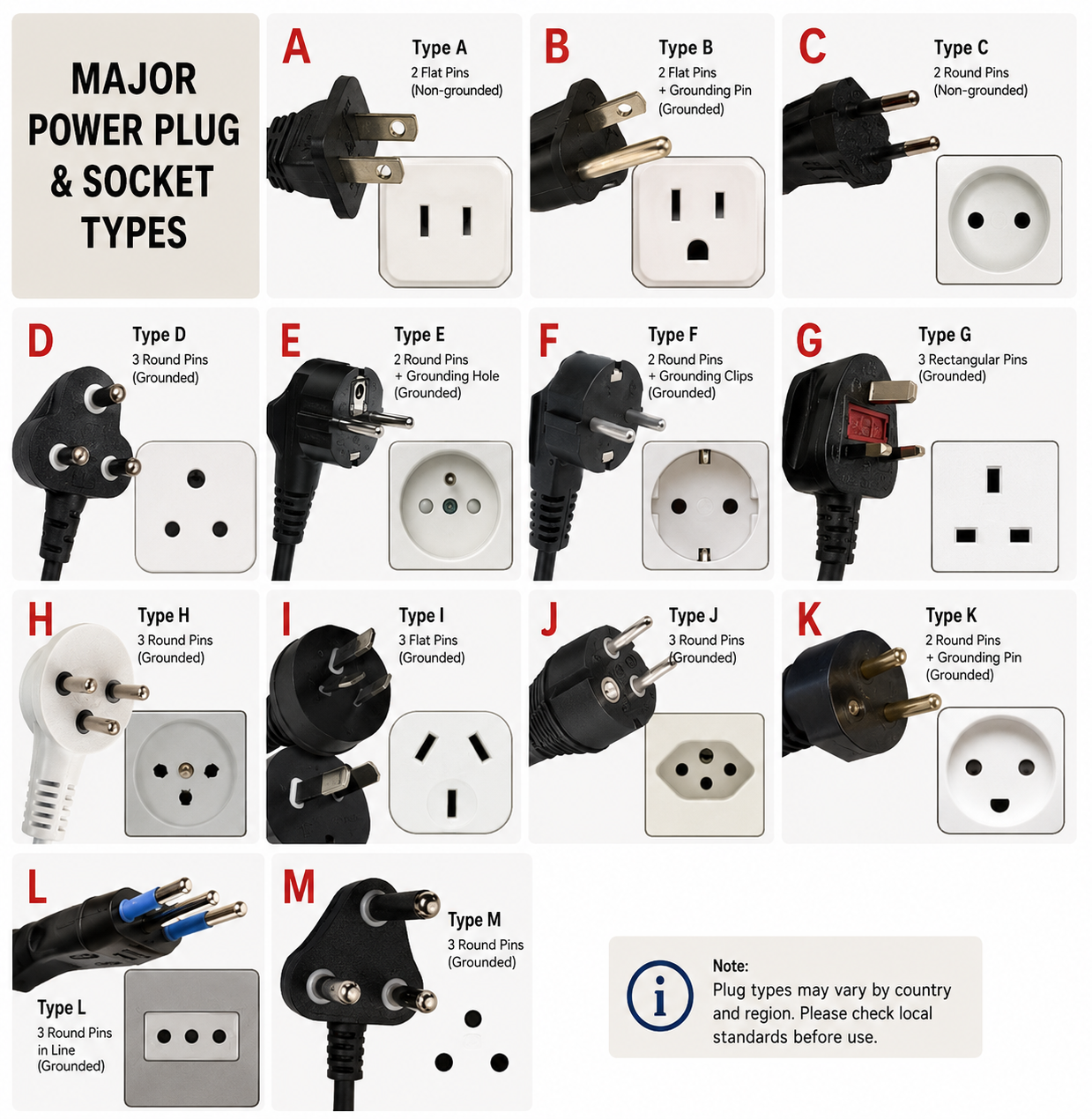
In today's increasingly interconnected global supply chain, export volumes of electronics, household appliances, energy storage systems, and industrial equipment continue to grow rapidly. For manufacturers, brand owners, and procurement managers, mastering international power cord standards is not only a technical requirement but also a key competitive advantage that determines market access, mitigates compliance risks, and protects user safety.
As an industry supplier with over a decade of experience in power cord manufacturing and international certifications, we understand that you need more than a simple "plug checklist." You need practical solutions to the following key challenges:
- What plug type is mandatory in your target market?
- Does the equipment require grounding to be compliant?
- What are the real thresholds for certifications such as UL, VDE, SAA, and CCC?
- How to correctly match wire gauge (AWG vs mm²) to prevent overheating, fire hazards, and legal liability?
This expert guide provides a clear, step-by-step roadmap to help you select the right power cord and plug, ensuring your products can operate safely, compliantly, and efficiently in any global market.
Step 1: Understand Why Global Power Plug Standards Are Not Unified
This is the result of independent development of power systems in the 20th century:
1. Technical Divergence: Early pioneers such as Westinghouse in the US and Siemens in Europe adopted incompatible designs.
2. Voltage and Frequency Differences: The world is mainly divided into two systems — 100-127V/60Hz (North America, Japan) and 220-240V/50Hz (Europe, Asia, Africa, Oceania).
3. Different Safety Philosophies: Some regions (e.g., the UK) place extreme emphasis on built-in fuses and grounding, while others focus on socket safety shutters.
4. Historical Trade Barriers: Unique plug designs have sometimes served as non-tariff barriers to protect domestic markets.
Step 2: Identify the Required Plug Type for Your Target Market
Use this quick reference table to match your target countries:
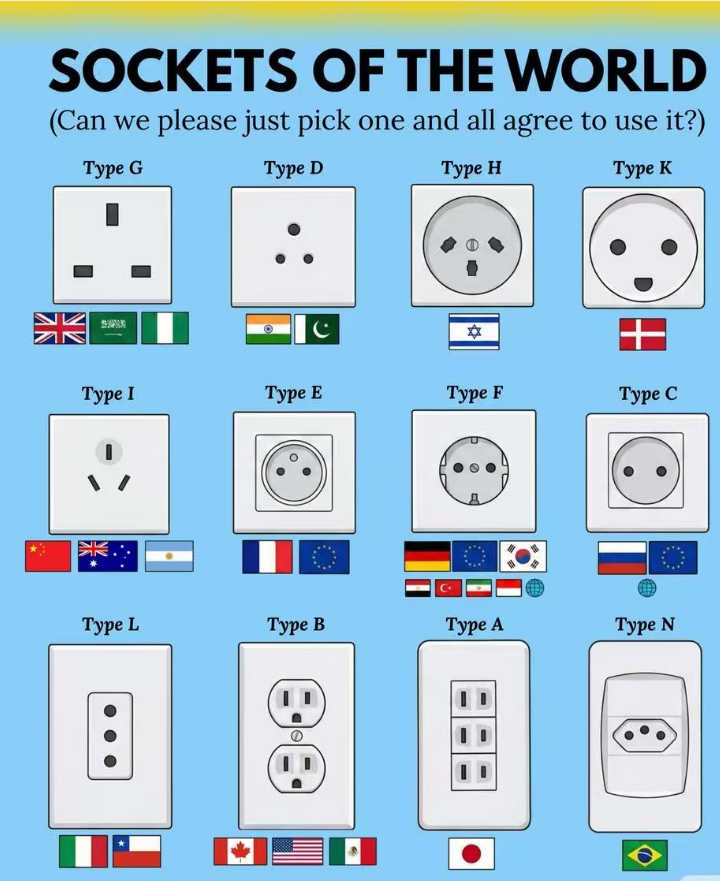
| Plug Type | Main Regions | Standard Voltage | Grounded | Key Certifications |
|---|---|---|---|---|
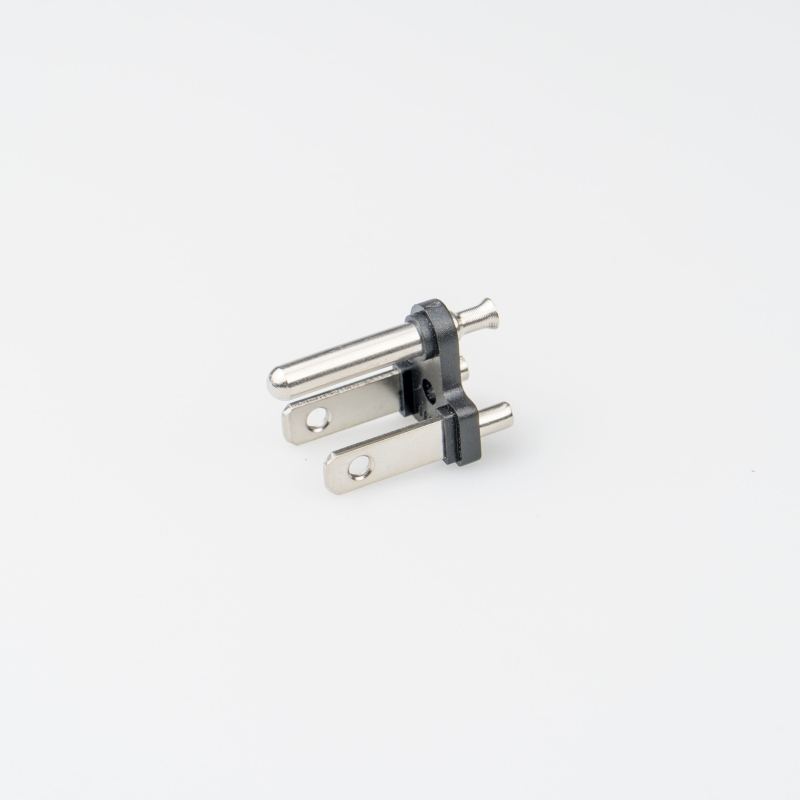
| Type A | USA, Japan, Mexico, etc. | 100-127V | No | UL, PSE |
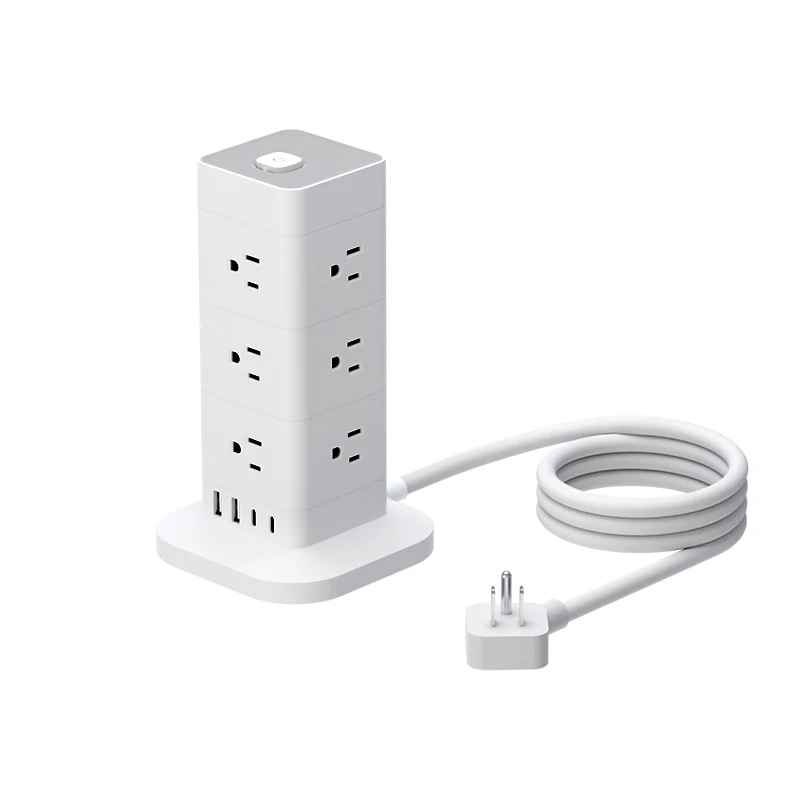
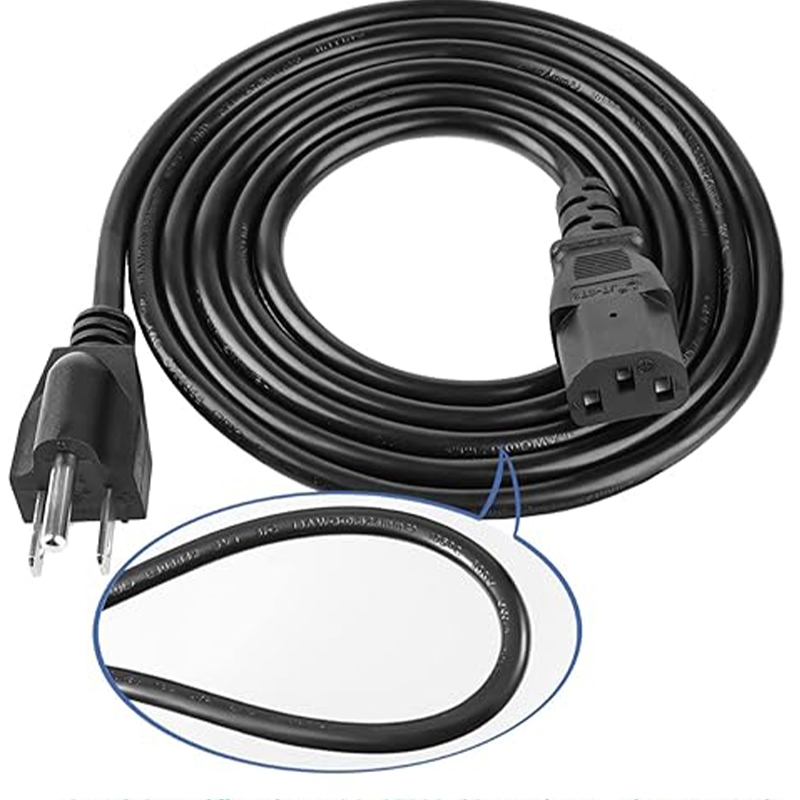
| Type B | USA, Canada, Mexico, etc. | 100-127V | Yes | UL, ETL |
| Type C | Most European countries, Russia, South America | 220-240V | No | CE, VDE |
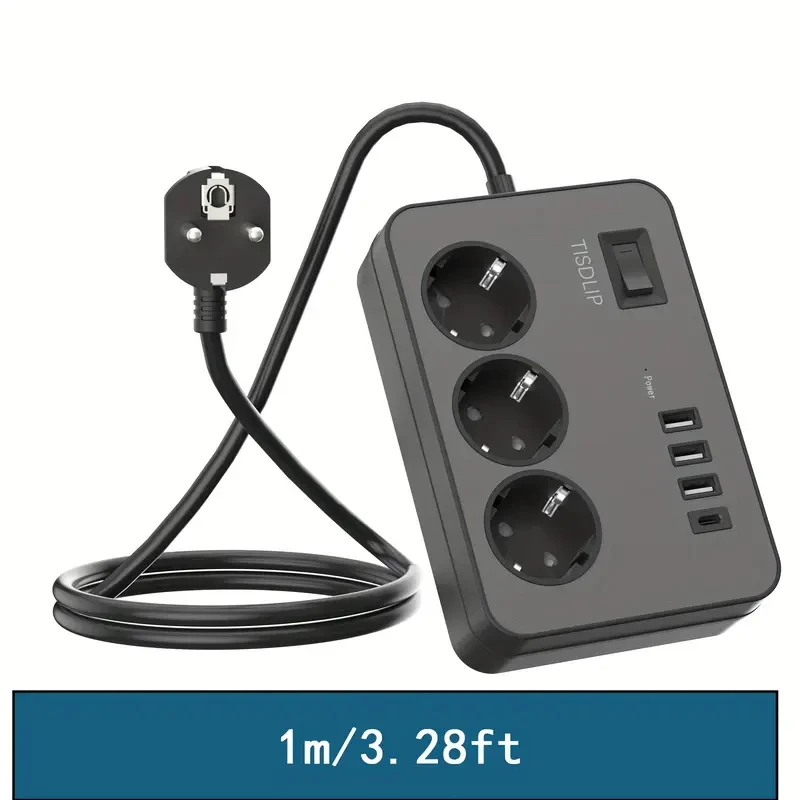
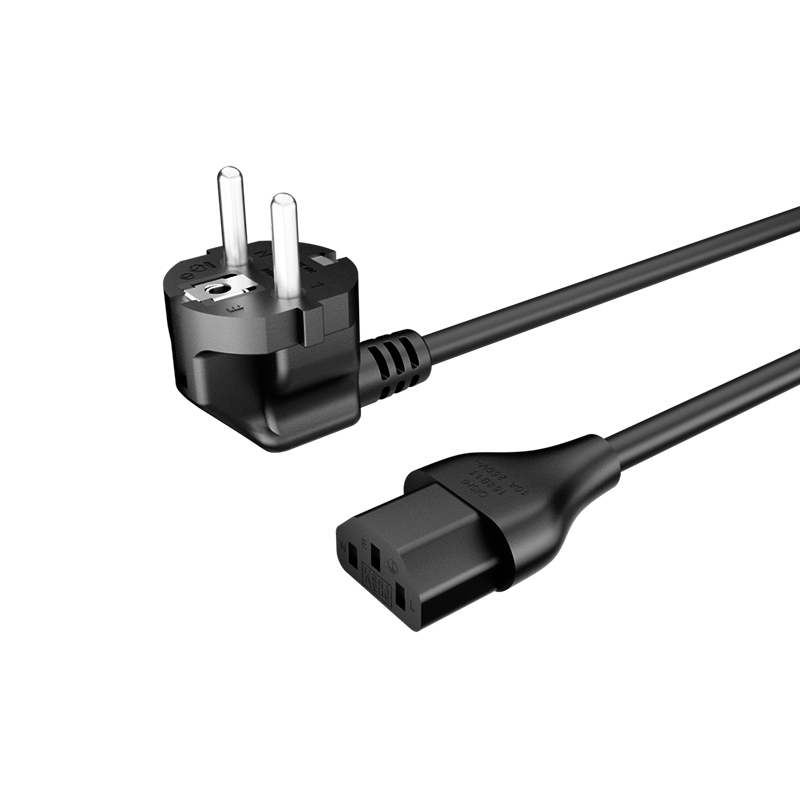
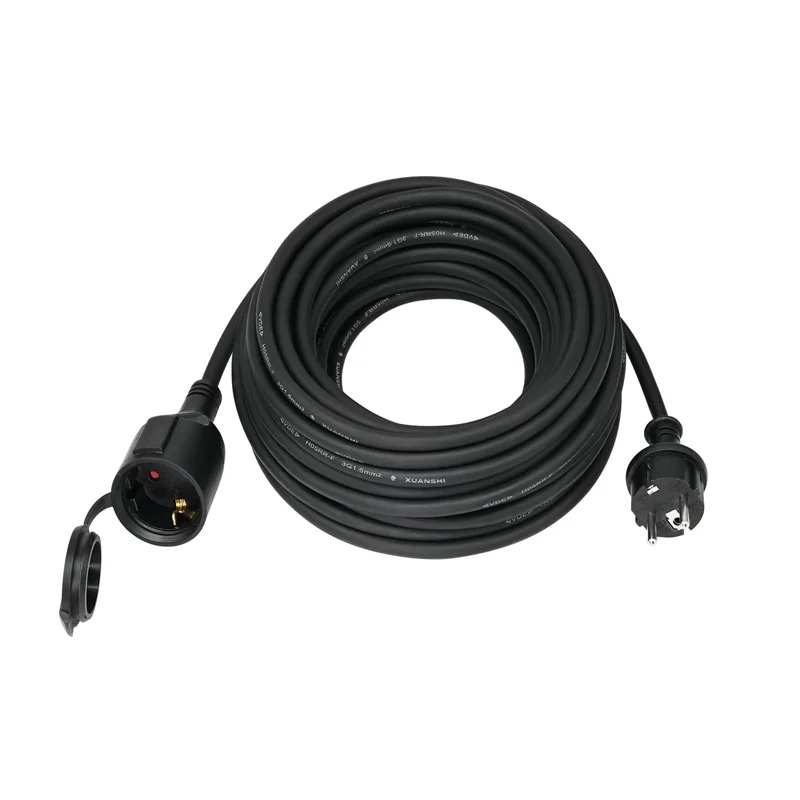
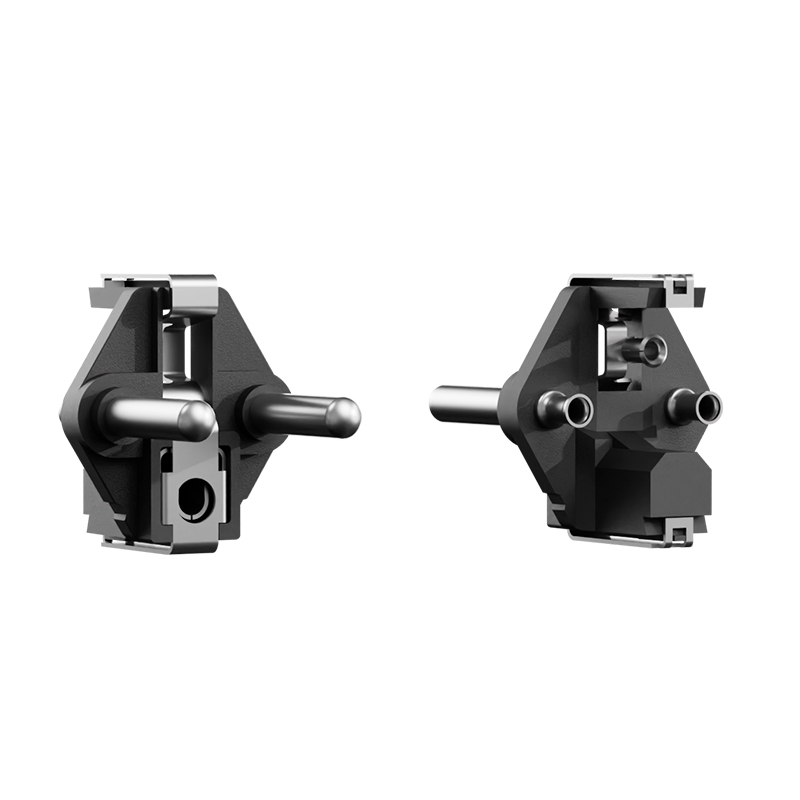
| Type E/F | Germany, France, Korea, most of Europe | 220-240V | Yes | VDE, NF, KTL |
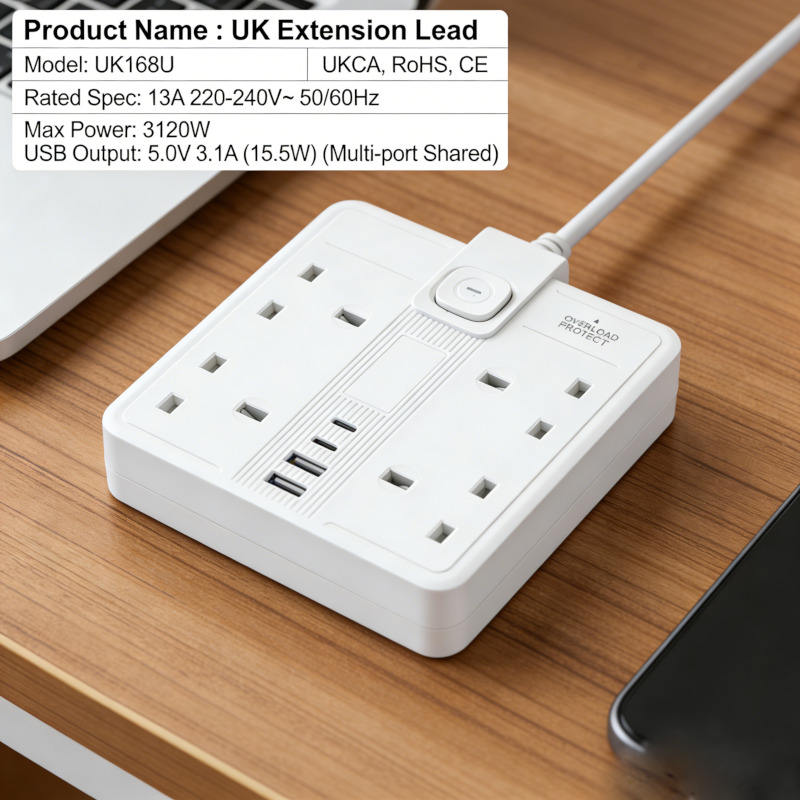
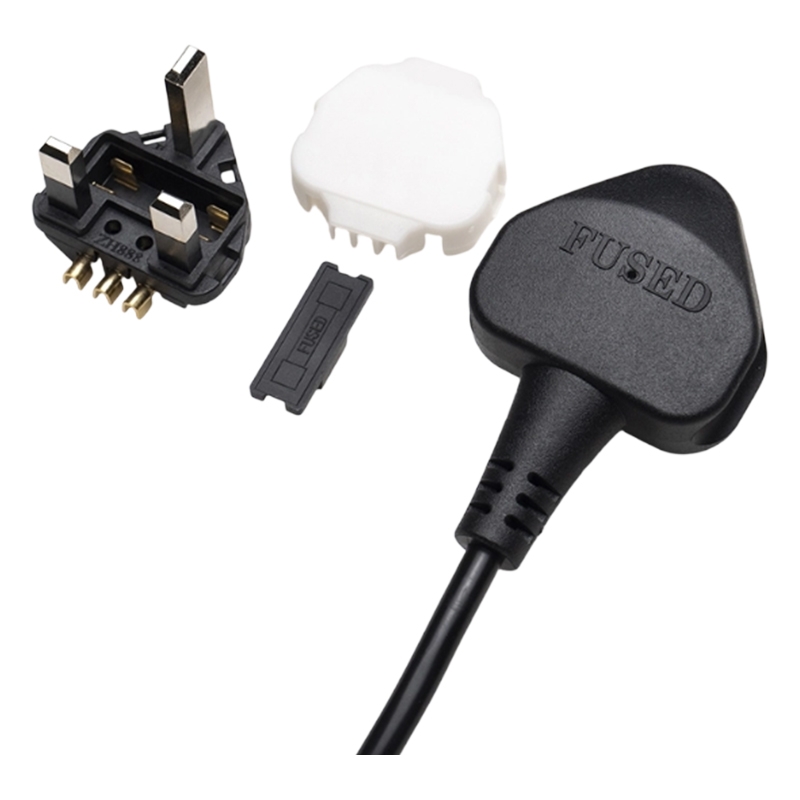
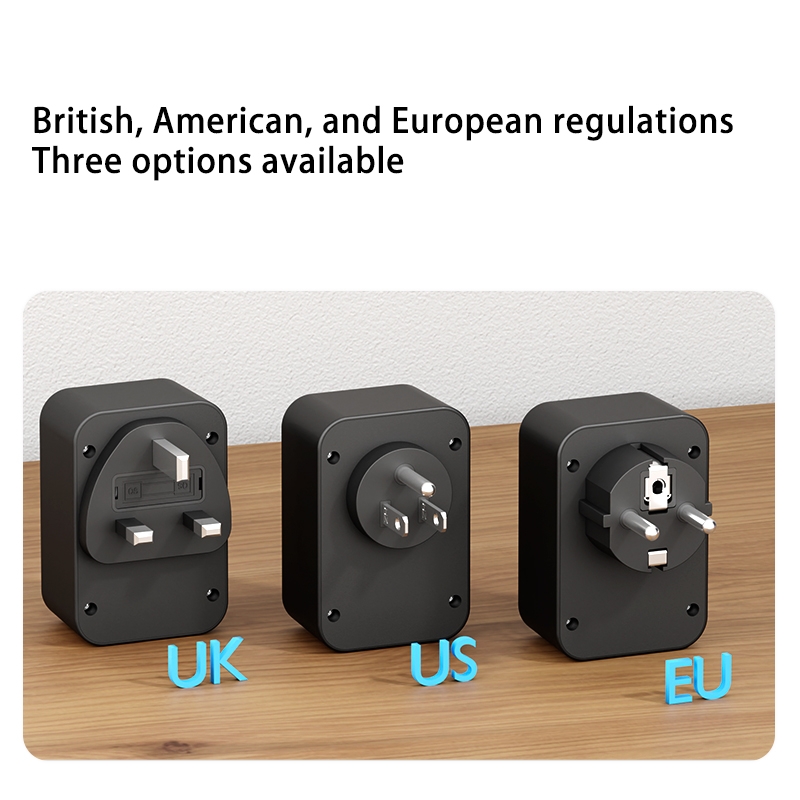
| Type G | UK, Hong Kong, Singapore, Malaysia, UAE | 230V | Yes | ASTA, BSI |
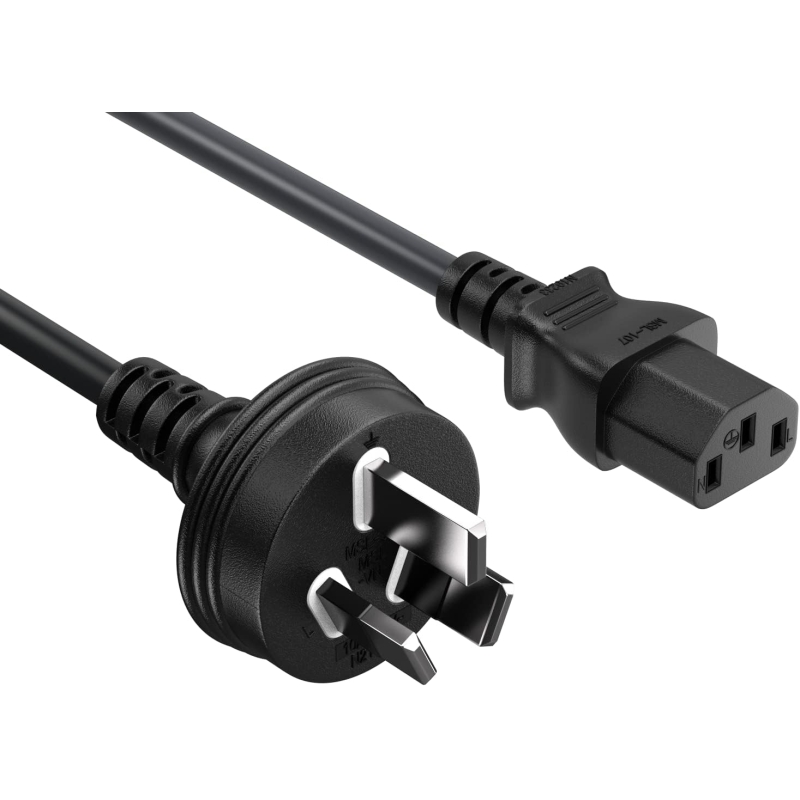
| Type I | Australia, China, Argentina, New Zealand | 220-240V | Yes | SAA, CCC |
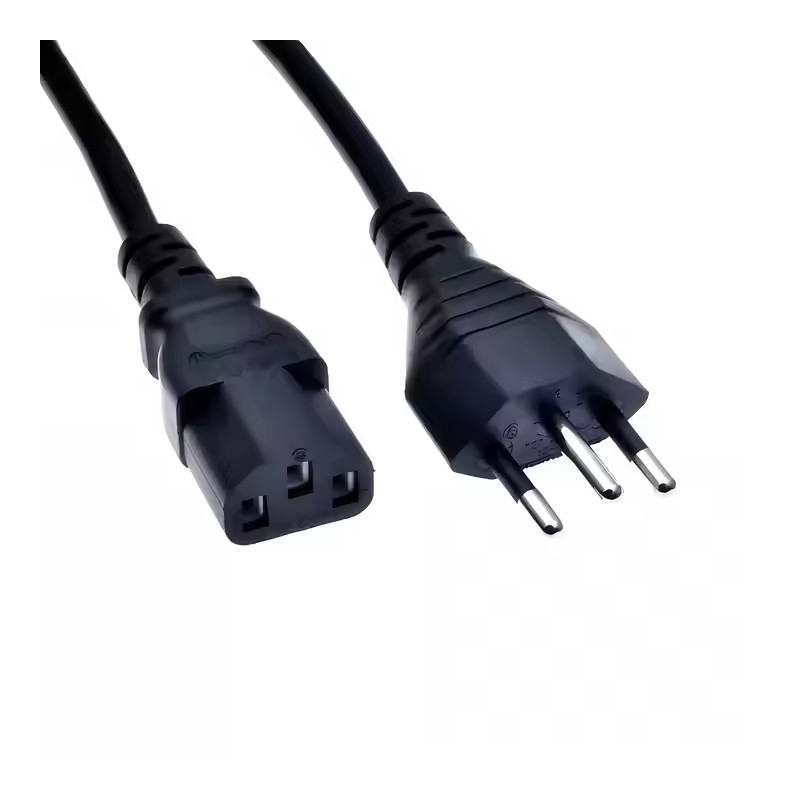
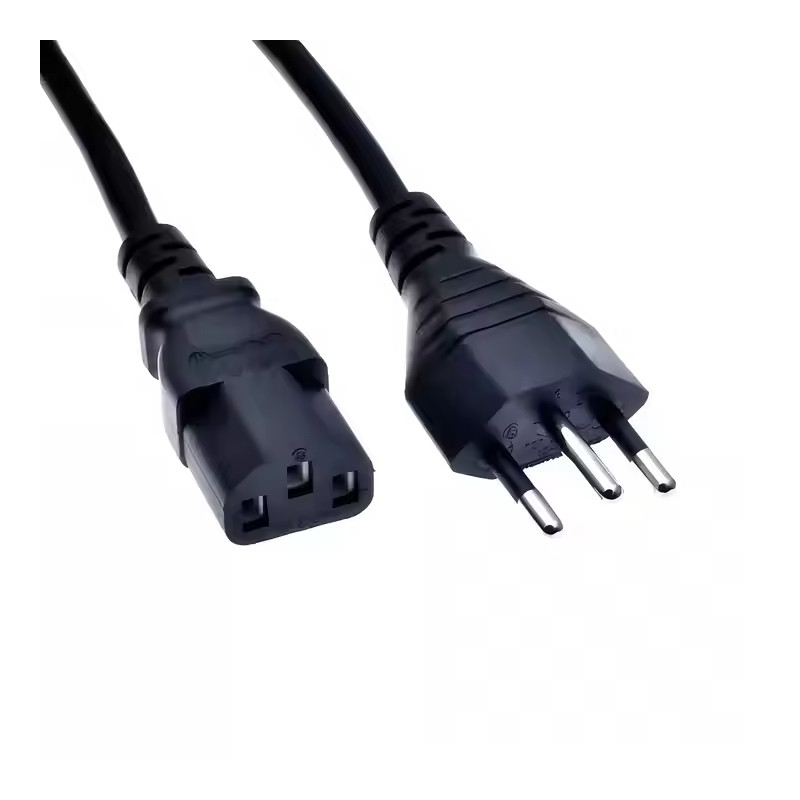
| Type J | Switzerland | 230V | Yes | SEV |
| Type L | Italy | 230V | Yes | IMQ |
| Type N | Brazil | 127/220V | Yes | INMETRO |
Important Reminder: When exporting, always confirm whether the destination country requires specific safety marks (such as VDE, BSI, or SAA) molded directly onto the plug body. Products missing these marks are frequently held by customs or rejected by retailers in strict markets like Germany, the UK, and Australia.
Step 3: Determine If Grounding Is Required
- Ungrounded (Type A, C): Suitable only for low-power, double-insulated devices with plastic enclosures.
- Grounded (Type B, E/F, G, I, etc.): Mandatory for metal-housed appliances, higher-power devices, or equipment with exposed conductive parts.
Expert Advice: When in doubt, choose the grounded version — it is safer and has wider market acceptance.
Step 4: Select the Correct Wire Gauge (AWG vs mm²)
Match wire size to your device's current draw:
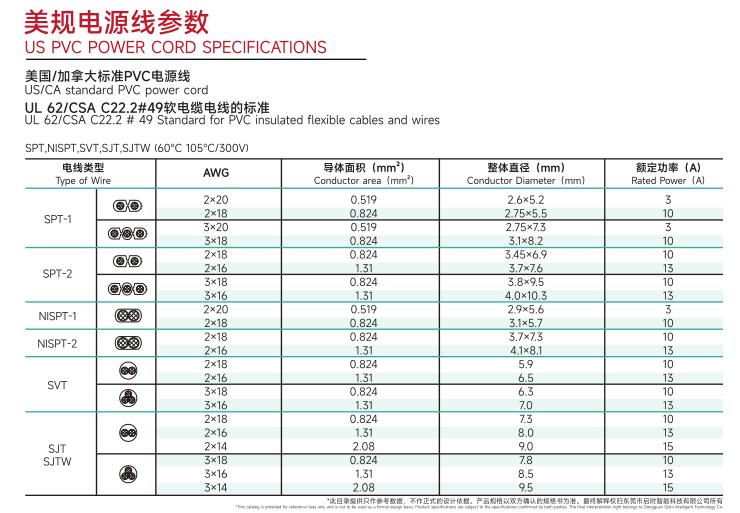
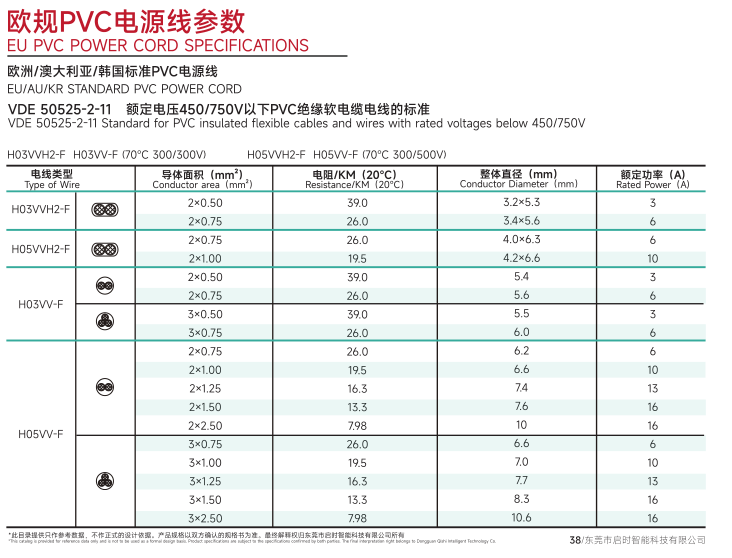
1. Current & Wire Gauge Matching (Reference Values):
≤10A: 0.75mm² / 18 AWG
10-16A: 1.0–1.5mm² / 16 AWG
16-25A: 2.5mm² / 14 AWG or thicker
North America uses the AWG system (common types: SPT-1/SPT-2, SVT/SJT).
Europe and most other regions use the mm² system (common types: H03VV-F, H05VV-F, H07RN-F).
Step 5: Choose the Right Cable Jacket Material Based on Environment
- Indoor General Use: PVC (SVT / H05VV-F)
- Outdoor / Industrial: SJTW or H07RN-F (oil-resistant and UV-resistant)
- Kitchen / Commercial Appliances: High-temperature silicone or special PVC jackets
- Medical Facilities: Hospital-grade "green dot" UL plugs
- Energy Storage / EV Charging: High-current, flame-retardant, aging-resistant heavy-duty cables
Additional Key Considerations: Polarity, flame retardancy rating (VW-1 / FT2), bending lifespan, RoHS & REACH environmental compliance.
Step 6: Ensure You Have the Correct Safety Certifications
USA: UL 817 or ETL
Japan: PSE
Europe: CE (minimum), VDE (recommended)
UK: ASTA / BSI
Australia: SAA
China: CCC
South Korea: KC
In-Depth Analysis: Major Regional Standards and Manufacturing Notes
1. North America & Japan: Type A & Type B (NEMA Standards)
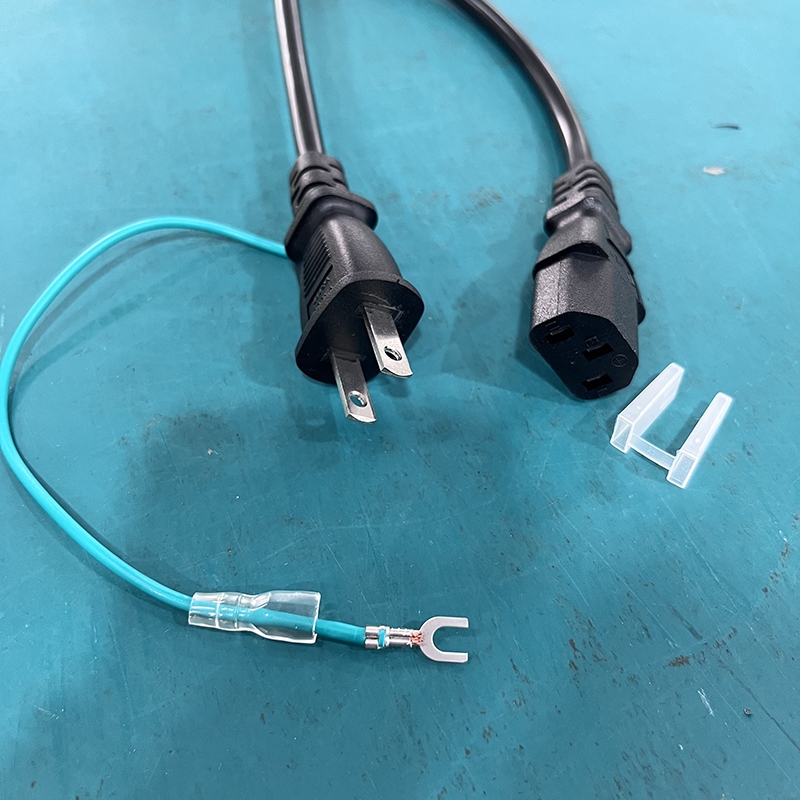
- Type A: Two flat pins, ungrounded, suitable for low-power devices.
- Type B: Adds a round grounding pin, recommended for metal enclosures or higher-power equipment.
- Voltage: 120V (USA/Canada), 100V (Japan).
- Certification: UL mandatory in the USA; PSE mandatory in Japan.
2. European Schuko System: Type C, E/F (CEE 7 Standards)
- Type C (Europlug): Limited to low-power ungrounded devices below 2.5A.
- Type E/F (Schuko): Features side grounding contacts, suitable for high-power and grounded equipment.
- Certification: VDE is the recognized mark of superior quality.
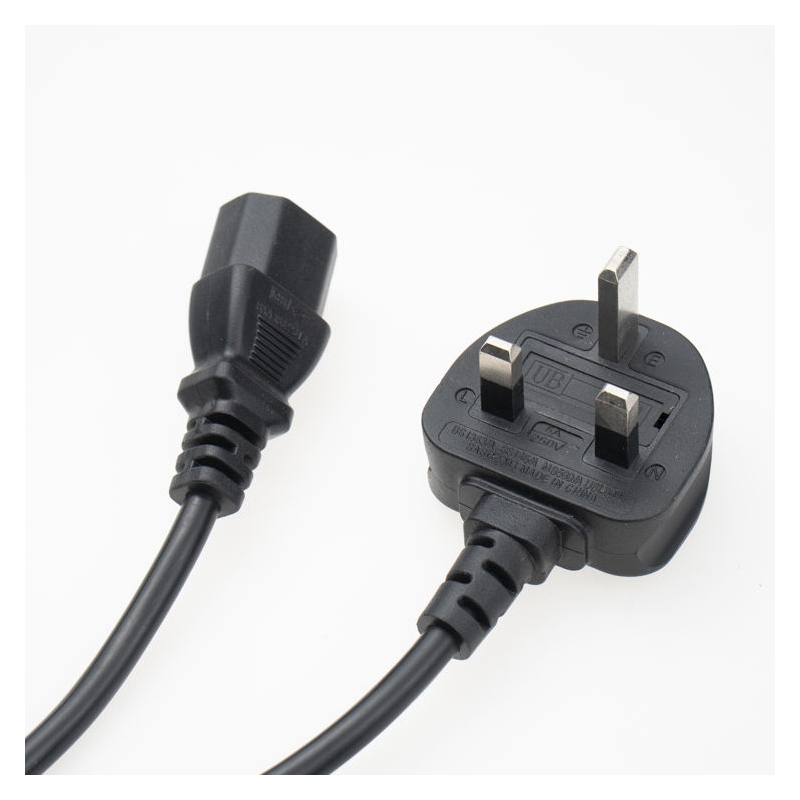
3. UK Type G (BS 1363)
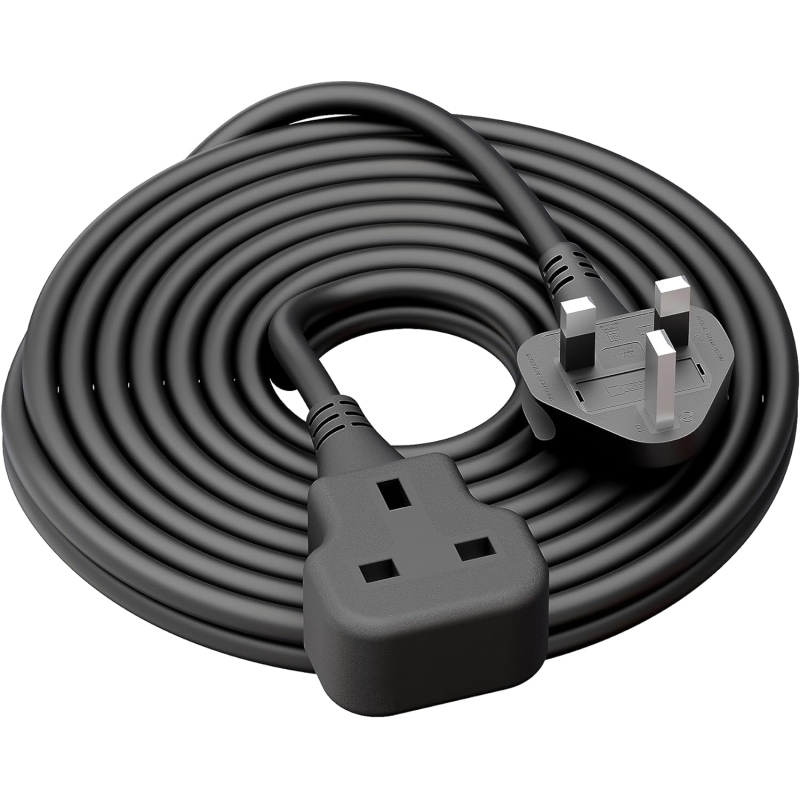
Widely regarded as one of the safest plugs in the world. Rectangular pins with built-in replaceable fuse (3A/5A/13A). The fuse must have ASTA certification for premium appliances.
4. Australia & China Type I
Two angled flat pins + vertical grounding pin. Although similar in appearance, Australian SAA and Chinese CCC standards have slight differences in pin length, grounding pin position, and spacing. They are not fully interchangeable. SAA certification is mandatory for Australian exports.
Industry Application Recommendations
- Energy Storage Systems (ESS): High-current, flame-retardant, aging-resistant cables
- Kitchen & Commercial Appliances: High-temperature resistant jackets
- Electric Vehicle Charging: Heavy-duty weatherproof cables (16A–32A+)
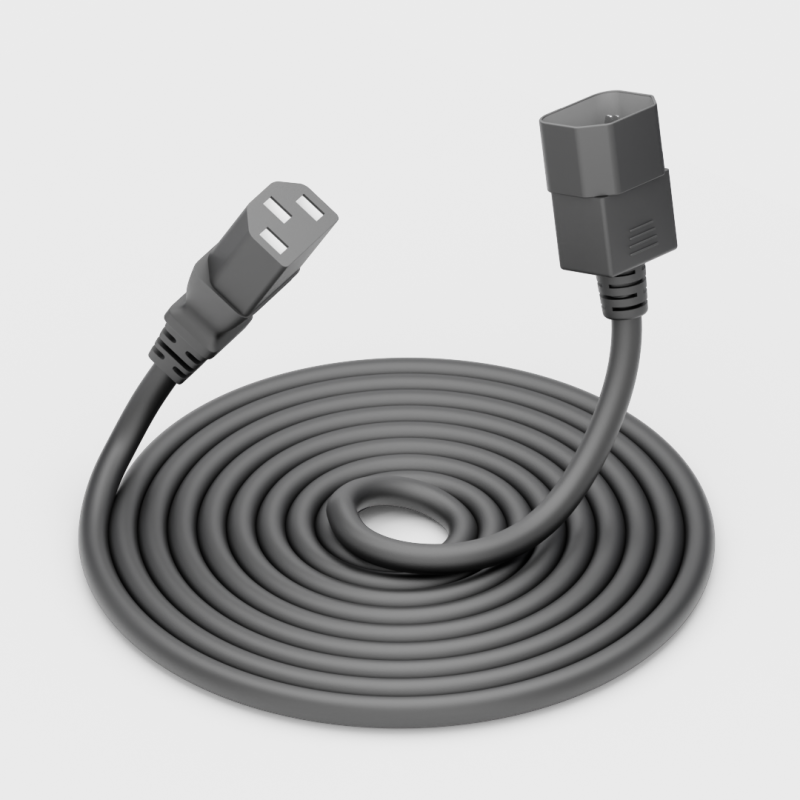
- Data Centers: IEC 60320 C13/C14, C19/C20 connectors
FAQ
Q1: Can US Type A/B plugs be used directly in Japan?
They are physically compatible, but voltage (120V vs 100V) and polarity differences pose risks. Japan requires PSE certification — dedicated Japanese power cords are recommended.
Q2: What is the difference between SPT-1 and SPT-2?
The main difference is insulation thickness. SPT-2 is thicker, with better voltage resistance and heat resistance, making it suitable for slightly higher power applications.
Q3: Why can't European appliances only use Type C?
Type C is limited to low-power ungrounded devices. Appliances with metal enclosures or higher power must use grounded Type E/F (Schuko) plugs to pass safety testing.
Q4: Are universal travel adapters suitable for industrial or medical equipment?
Strongly not recommended. They have high contact resistance and poor heat dissipation, making them unable to handle sustained high loads and creating serious safety hazards.
Q5: What does the H05VV-F code mean?
H = Harmonized standard; 05 = 300/500V; V = PVC insulation; V = PVC sheath; F = Flexible conductor. Understanding these codes helps with precise material selection.
Conclusion
Choosing the right power cord and plug is about finding the best balance between safety, compliance, and cost. The power cord is the first safety barrier between your product and the end user.
Need detailed technical drawings, certification guidance, or custom samples for specific countries or projects? Feel free to contact our engineering and certification team. We provide free sample prototyping + compliance consulting + tailored quotations.
Authoritative References:
- IEC International Electrotechnical Commission Plug and Voltage Guide
- UL 817 Power Cord Set Standard
- Official certification requirements from VDE / BSI / SAA / CCC/PSE/KC/ASTA
- Latest regulations from national standards bodies worldwide



 Email
Email