

Content Menu
● What Causes Power Cords to Overheat? (Detailed Analysis of Power Cord Heating Reasons)
>> 1. Circuit Overload (Most Common Cause)
>> 2. Incorrect Wire Gauge (Cross-Sectional Area) Selection
>> 3. Loose Connections and Poor Contact
>> 4. Low-Quality Power Cords and Inferior Materials
● Real Fire Cases Caused by Power Cord Overheating
● Dangers of Power Cord Overheating
● How to Effectively Prevent Power Cord Overheating: Expert Solutions
● 5-Minute Home Self-Inspection Checklist & Tool Recommendations
● Why Choose a Professional OEM Power Cord Manufacturer?
● Frequently Asked Questions (FAQ)
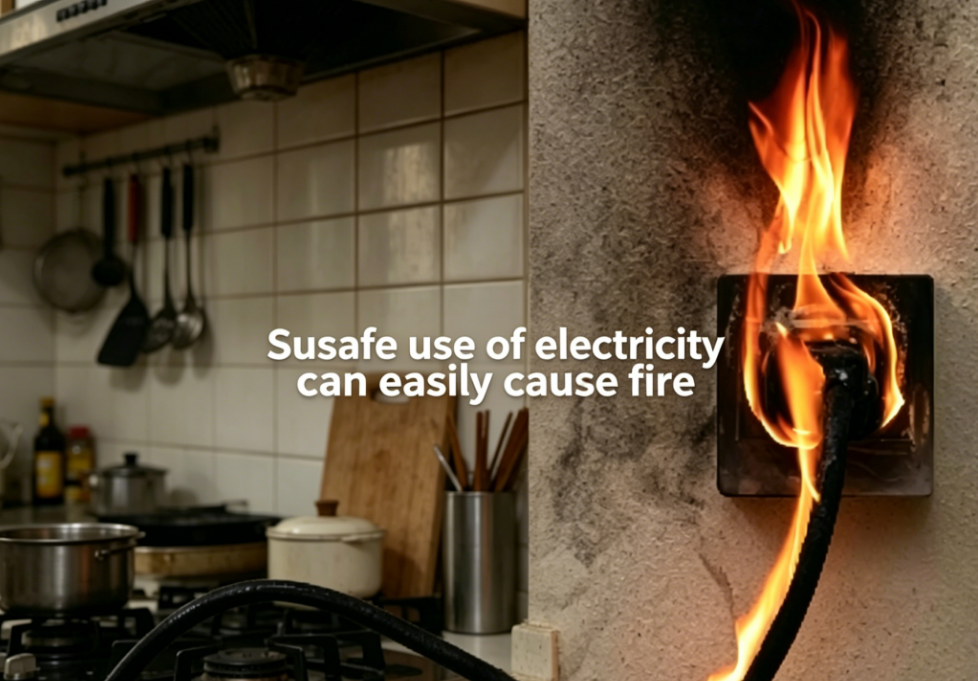
Power cord overheating is one of the leading causes of electrical fires. This article explains why power cords get hot, the common causes of AC power cord overheating, proper wire gauge selection, real fire cases, and practical prevention tips to help you solve power cord heating issues and protect your family and products.
Have you ever touched a power cord or wall wiring and found it unusually warm or even hot to the touch? This is often an early warning sign of electrical system overload or hidden safety hazards. Worldwide, power cord overheating and extension cord overheating are major contributors to residential electrical fires, equipment damage, and unexpected power outages.
As electrical safety experts at Dongguan Zhenghao Electric Co., LTD, we have over 20 years of experience in manufacturing AC power cords, extension cords, and certified plugs. We provide OEM solutions that meet UL,ETL,ASTA,SAA,KC,PSE, VDE, CCC, and other international standards for global appliance brands. This expert guide will thoroughly explain why power cords get hot and provide practical, safe wire gauge selection and prevention strategies.
What Causes Power Cords to Overheat? (Detailed Analysis of Power Cord Heating Reasons)
When electric current flows through a conductor, it naturally generates heat due to resistance (Joule's Law: Q = I²Rt). When the heat exceeds normal levels, power cord overheating occurs.
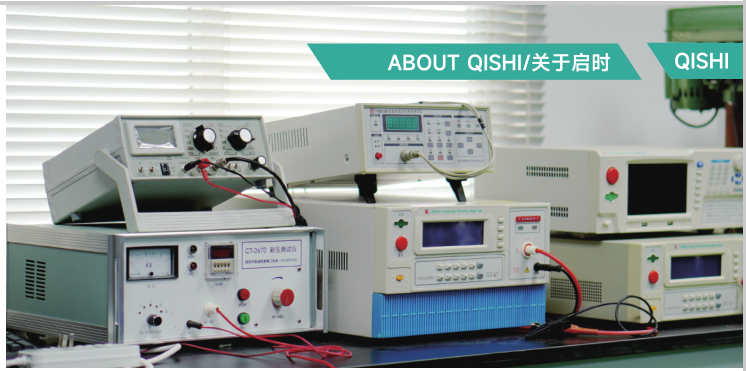
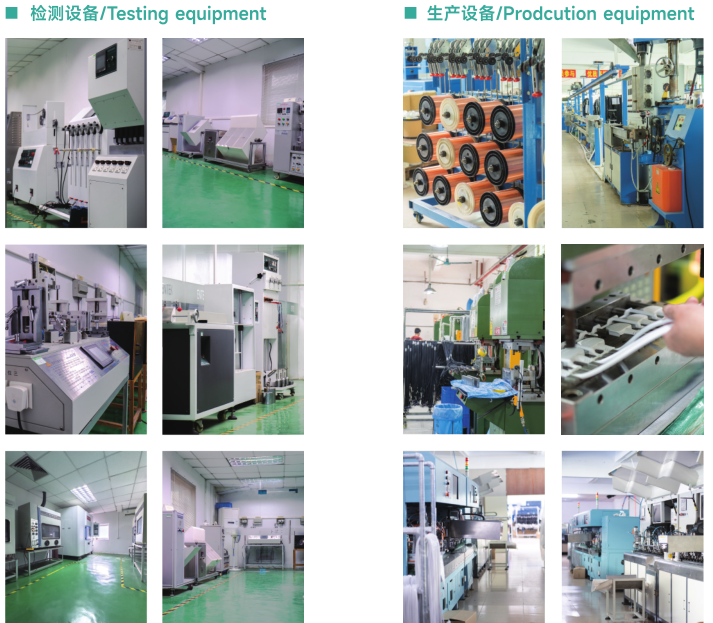
1. Circuit Overload (Most Common Cause)
Using too many high-power appliances on the same circuit or extension cord causes the current to exceed the wire's rated capacity. Common scenarios include air conditioners, space heaters, ovens, and microwaves sharing one extension cord, leading to extension cord overheating and power cord plug getting hot.
Expert Insight: In our factory load testing, extension cord overload is the primary cause of insulation softening, plug deformation, and fire hazards in AC power cords. Long-term overload accelerates PVC aging and copper conductor oxidation, creating a dangerous cycle.
2. Incorrect Wire Gauge (Cross-Sectional Area) Selection
If the conductor's cross-sectional area is too small, resistance increases and heat cannot dissipate effectively — similar to a thin water pipe struggling with high water flow. This is a major reason why power cords get hot.
Current Calculation Formula (Practical Tool):
I (Amps) = P (Watts) / V (Volts)
Example: A 2800W appliance at 220V draws approximately 12.7A. Using an undersized wire will quickly cause power cord overheating.
Recommended Home Copper Wire Gauge Chart (with 20-30% Safety Margin):
| Application | Recommended Power | Copper Wire Size | Recommended Breaker |
|---|---|---|---|
| Lighting Circuits | ≤3000W | 1.5mm² | 10A |
| General Wall Sockets | ≤5000W | 2.5mm² | 16A |
| Kitchen / Bathroom Appliances | ≤7000W | 4.0mm² | 25A |
| Air Conditioners / Main Supply | ≤8500W | 6.0mm² | 32A |
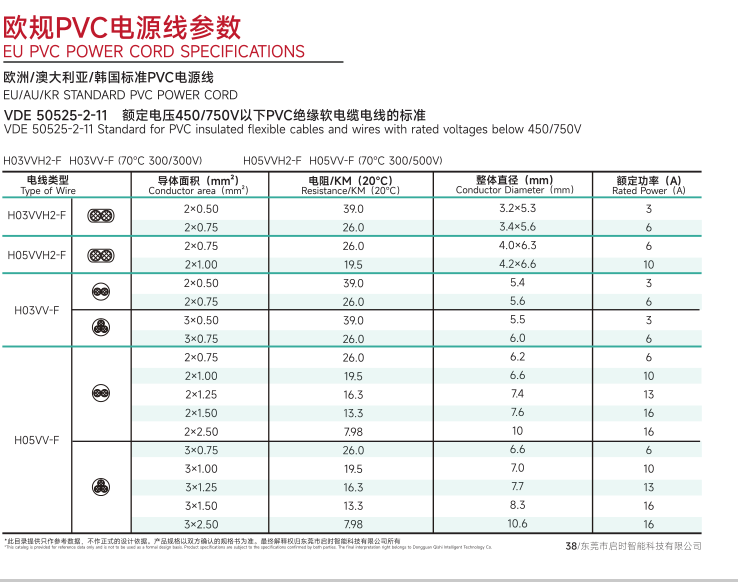
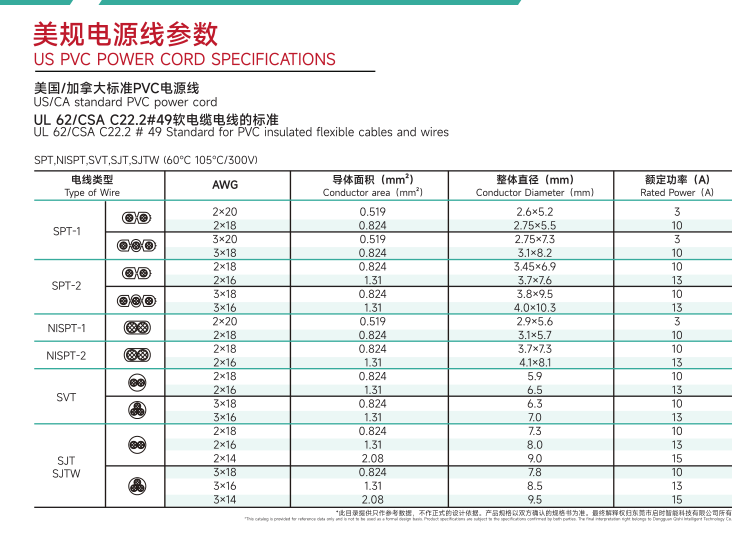
Professional Advice: For continuous-load devices, long-distance wiring, or high-temperature environments, always choose one size larger to prevent AC power cord overheating.
3. Loose Connections and Poor Contact
Loose terminals, damaged plugs, or aging sockets dramatically increase contact resistance, causing localized high temperatures and power cord plug getting hot.
Warning Signs (Check Immediately):
- Burn marks or discoloration near the plug
- Flickering power, unusual sounds, or burning smell
- Warm socket surfaces
4. Low-Quality Power Cords and Inferior Materials
Cheap cables often use low-purity copper (mixed with aluminum or recycled materials), undersized conductors, thin insulation, and poor crimping. These look similar externally but perform very differently under load, easily causing power cord overheating and safety accidents.
Importance of Certification: AC power cords certified to UL, ETL, VDE, CCC, CE, and other standards undergo strict temperature rise, flame retardant, insulation, and aging tests. This is the key to solving why power cords get hot issues.
Real Fire Cases Caused by Power Cord Overheating
Power cord overheating is never a minor issue — it can lead to disaster within hours or days. Here are real cases to highlight the risks of extension cord overheating and power cord plug getting hot:
- U.S. Extension Cord Overload Fires: Thousands of residential fires are linked to improper extension cord use each year, causing dozens of deaths and hundreds of injuries. Typical scenario: ordinary extension cords powering air conditioners or heaters for long periods.
- Chicago Apartment Tragedy (2021): A family lost their mother and four young daughters due to improperly connected extension cords that overheated and caused a fire. Loose connections and overload were the main causes.
- Iowa Power Strip Fire (2022): An overloaded power strip caused a fire that killed four children. The strip had been carrying power beyond its rated capacity for extended periods.
- 2026 Dongguan Houjie Factory Fire: On March 21, 2026, in the afternoon, a factory at Xia Bian Fumin Road, Houjie Town, Dongguan City, Guangdong Province, suddenly caught fire. Thick smoke and flames engulfed the entire steel-structured factory building. Orange-red flames burst from multiple windows and the roof. Firefighters brought the blaze under control by 17:00. Eyewitness videos showed massive black smoke, possibly from burning plastics. This incident once again highlights the high risk of electrical fires in industrial areas caused by power cord overload, poor contact, or low-quality cables.
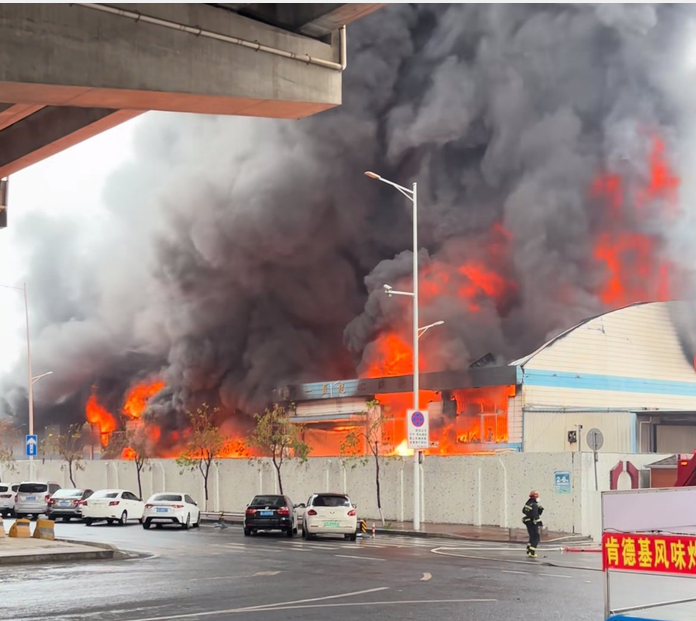
These cases clearly demonstrate that poor contact, undersized wires, and overload are the common paths that turn power cord overheating into fires. Early detection of abnormal heat can prevent tragedies.
Dangers of Power Cord Overheating
Many people underestimate the risks of power cord overheating. Excessive heat can cause insulation softening → cracking → leakage → short circuit → fire, creating a dangerous chain reaction.
According to NFPA statistics, electrical faults (including overload and poor connections) are a leading cause of residential fires, resulting in thousands of fires and hundreds of deaths and injuries annually.
Industry Case: In our OEM testing for a commercial kitchen equipment brand, low-quality cables using recycled copper exceeded safe temperature limits within hours, while our 99.9% pure copper certified AC power cords maintained stable temperatures with significantly longer service life.
How to Effectively Prevent Power Cord Overheating: Expert Solutions
1. Avoid Overload: Use dedicated outlets for high-power appliances and never daisy-chain extension cords to reduce extension cord overheating risk.
2. Choose the Right Wire Gauge: Follow the chart above and always include a safety margin to prevent power cord overheating from the source.
3. Regular Inspection and Maintenance:
- Check insulation, plugs, and connections every 6–12 months.
- If the power cord plug gets hot after 10–15 minutes of use, stop immediately and inspect the circuit.
4. Use Certified OEM Power Cords: Prioritize pure copper conductors, automated crimping, and full test reports from professional manufacturers.
5-Minute Home Self-Inspection Checklist & Tool Recommendations
- Use an infrared thermometer (or carefully test with the back of your hand) to check if plug temperature exceeds ambient by more than 20–30°C.
- Look for hard, discolored, or smelly cables.
- Check for loose plug connections.
- Verify all AC power cords have CCC/UL/ETL/SATA/SAA/KC/BIS/SASO/UKCA/CKCA/PSE or equivalent certification marks.
Recommendation: Install smart outlets with overload protection or arrange professional electrician inspections regularly.
Why Choose a Professional OEM Power Cord Manufacturer?
For appliance brands, wholesalers, and importers, working with a reliable supplier significantly reduces product recalls, certification failures, and liability risks.
Dongguan Zhenghao Electric Co., LTD offers:
- High-purity copper conductors + flame-retardant materials
- Full international certification support (UL, VDE, SAA,KC,CE,PSE,CCC, etc.)
- Custom specifications, temperature rise testing, and OEM/ODM services
- Strict raw material control and automated production
Take Action Now: Need custom AC power cords, extension cords, or certified plug solutions? Contact us today for samples, quotations, and technical support to completely resolve your power cord overheating problems.
Frequently Asked Questions (FAQ)
Q1: Is it normal for a power cord to get slightly warm?
Slight warming under load is expected, but obvious heat or sustained high temperature is abnormal and requires immediate investigation of why the power cord gets hot.
Q2: What is the safest wire gauge for home use?
For general wall sockets, 2.5mm² copper wire with a 16A breaker is recommended. Choose according to total power load.
Q3: Can low-quality extension cords cause fires?
Yes. Especially when overloaded with high-power appliances, they are a common cause of power cord overheating and electrical fires.
References
1. NFPA – Home Fires Caused by Electrical Failure or Malfunction.
2. U.S. Fire Administration & CPSC Reports on extension cord hazards.
3. Reports on 2021–2022 extension cord fire incidents (Chicago & Iowa).
4. 2026 Dongguan Houjie Factory Fire Reports (March 21).
5. Internal load & temperature rise testing data from Dongguan Zhenghao Electric Co., LTD (2023–2025).



 Email
Email