



Content Menu
● Why Power Strip Safety Matters More Than Ever
● The 3 Most Dangerous Power Strip Mistakes (and How to Avoid Them)
● 4 Must-Follow Daily Habits for Safe Power Strip Use
● Power Strip Safety Statistics You Need to Know in 2025–2026
● Real-World Lessons: Recent CPSC Power Strip Recalls
● Expert Checklist: How to Inspect and Maintain Your Power Strips
● Professional Buying Guide: Choosing the Right Power Strip
● FAQ: Common Questions About Power Strip Safety
● Final Takeaway: Safety Is a Habit, Not a Product
As a power connection solutions specialist with over 20 years of hands-on experience designing and testing electrical distribution products for homes, offices, and export markets, I've seen firsthand how a simple power strip can prevent—or cause—devastating electrical fires. Most incidents aren't due to faulty manufacturing but preventable user errors.
This comprehensive guide covers the three most dangerous power strip mistakes, four essential daily habits, and targeted advice for UK plugs (British power strips), US power strips (American-style), and surge protector power strips. You'll also find updated 2025–2026 safety statistics, real-world recall case studies, a practical inspection checklist, and a new FAQ section.
Why Power Strip Safety Matters More Than Ever
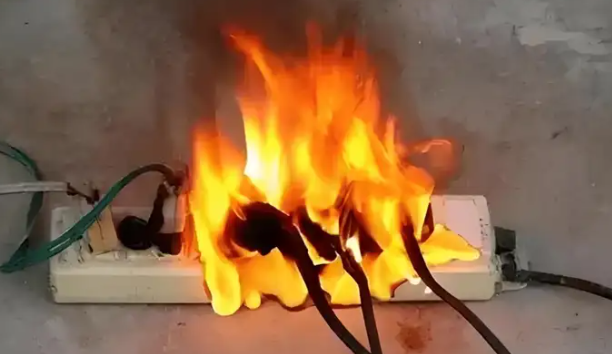
Power strips (also called relocatable power taps) are convenient, but they remain one of the leading contributors to electrical distribution fires. Following the guidelines below can eliminate up to 90% of these risks.
The 3 Most Dangerous Power Strip Mistakes (and How to Avoid Them)
1. Overloading Your Power Strip – The Leading Cause of Electrical Fires
Common household power strips are rated:
- 6A ≈ 1,320W
- 10A ≈ 2,200W
- 16A ≈ 3,520W
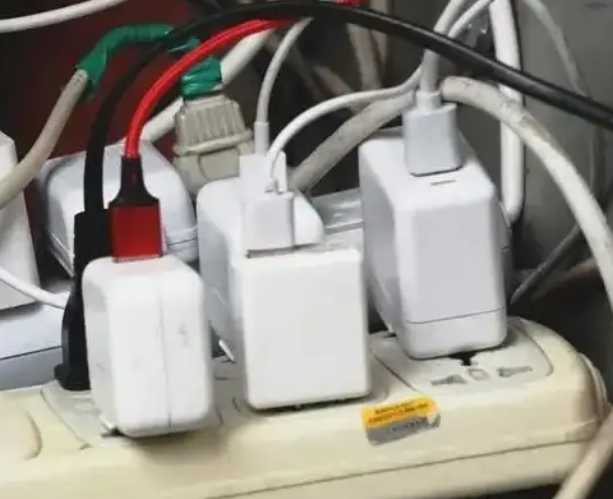
Risk example: Plugging a 1,500W electric kettle and a 1,000W microwave into a 10A strip creates a 2,500W load—exceeding the rating. This causes wires to overheat, insulation to degrade, and, in extreme cases, fire.
Expert fix: Never exceed 80% of the rated capacity. Keep large appliances (air conditioners, refrigerators, water heaters, microwaves) on dedicated wall outlets or their own circuit. Always calculate total wattage before plugging in.
2. Using Low-Quality or Voltage-Incompatible Power Strips
Cheap strips often use non-flame-retardant plastic, aluminum or mixed-copper conductors, and lack overload protection or proper certifications.
Country-specific warnings:
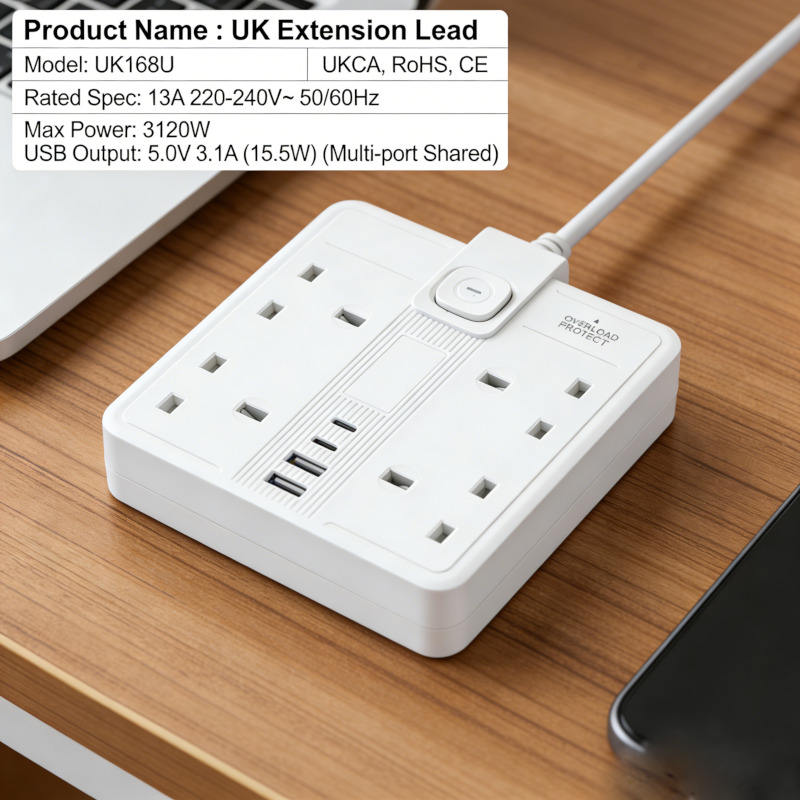
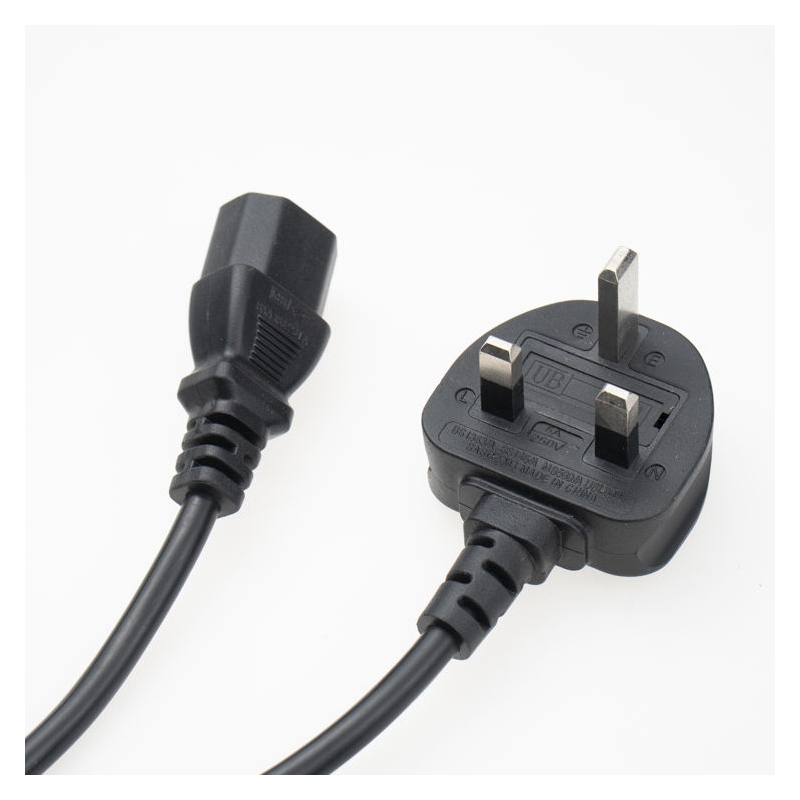
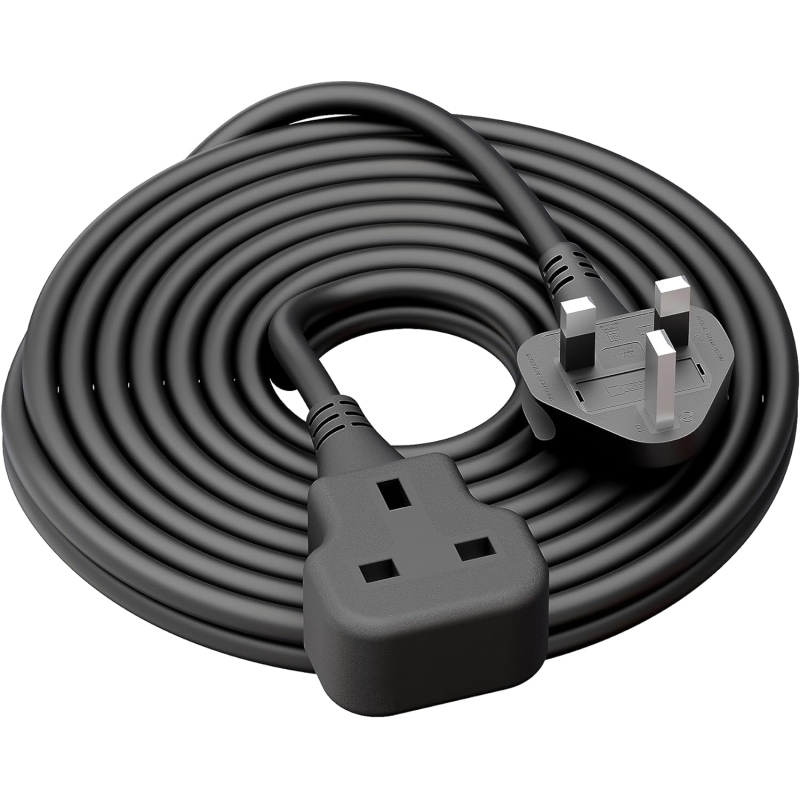
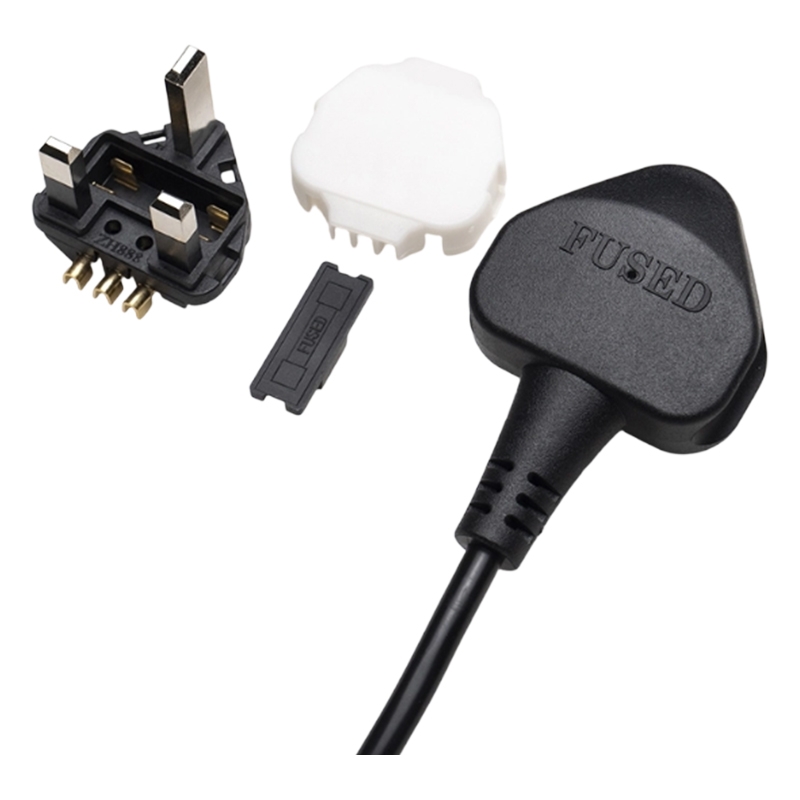
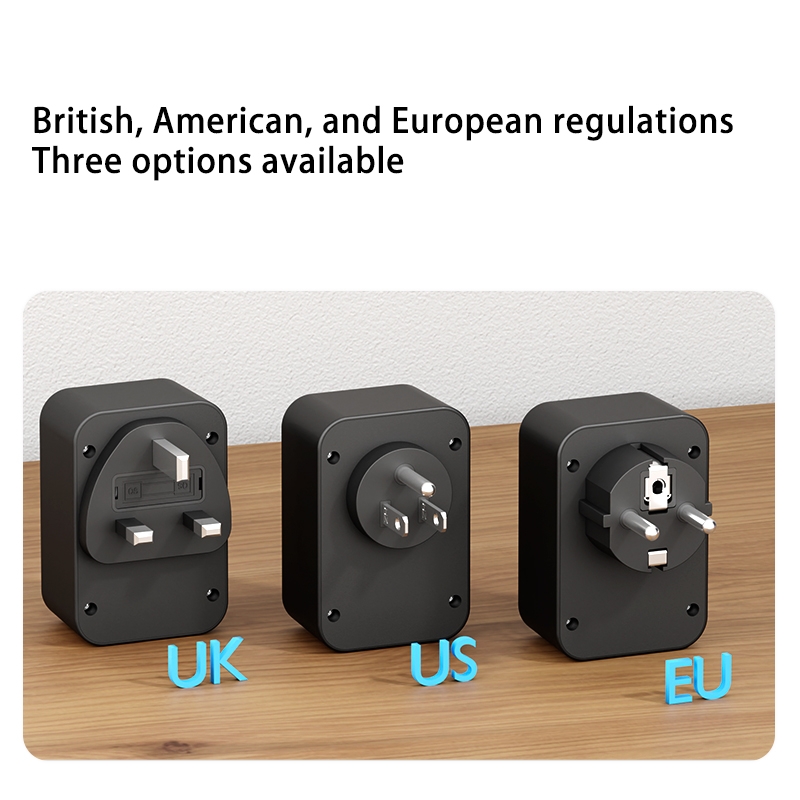
- UK plugs (British BS 1363 power strips): These include a built-in 13A fuse for overload protection and shuttered sockets for child safety—ideal for 230V UK, Hong Kong, and Singapore markets. Always verify proper grounding.
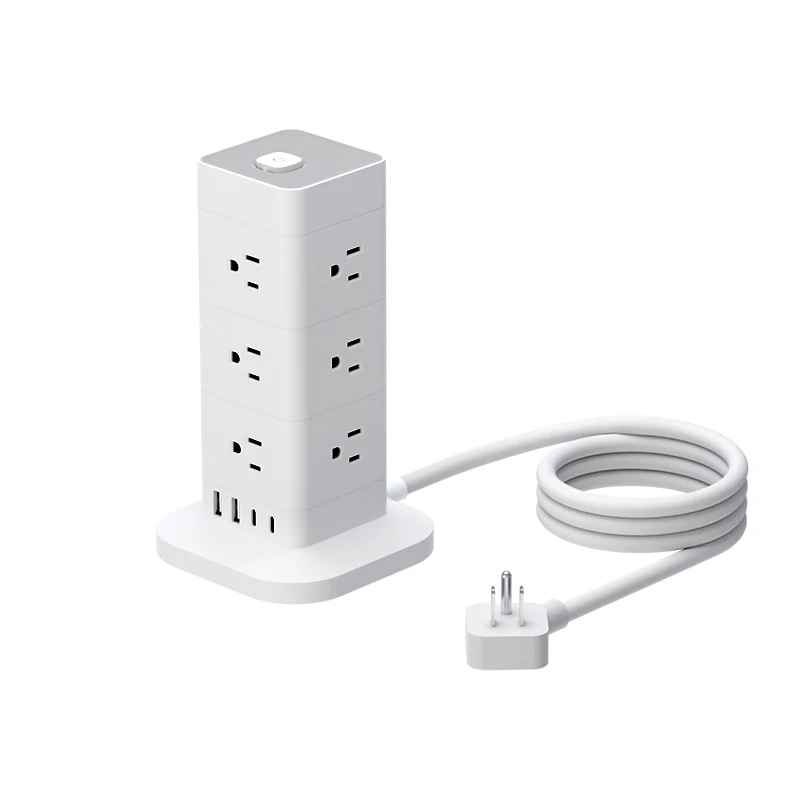
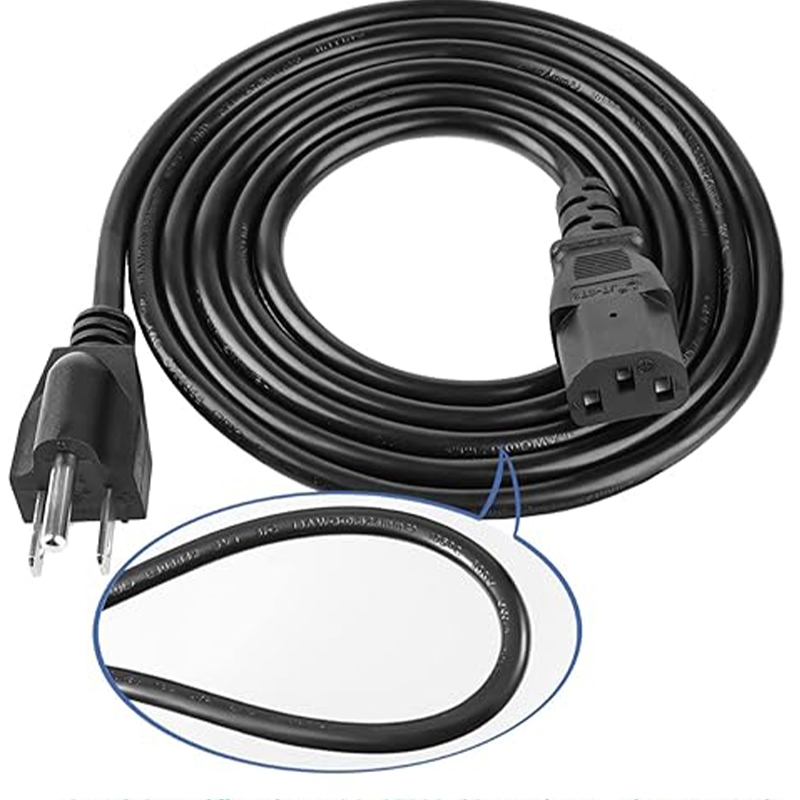
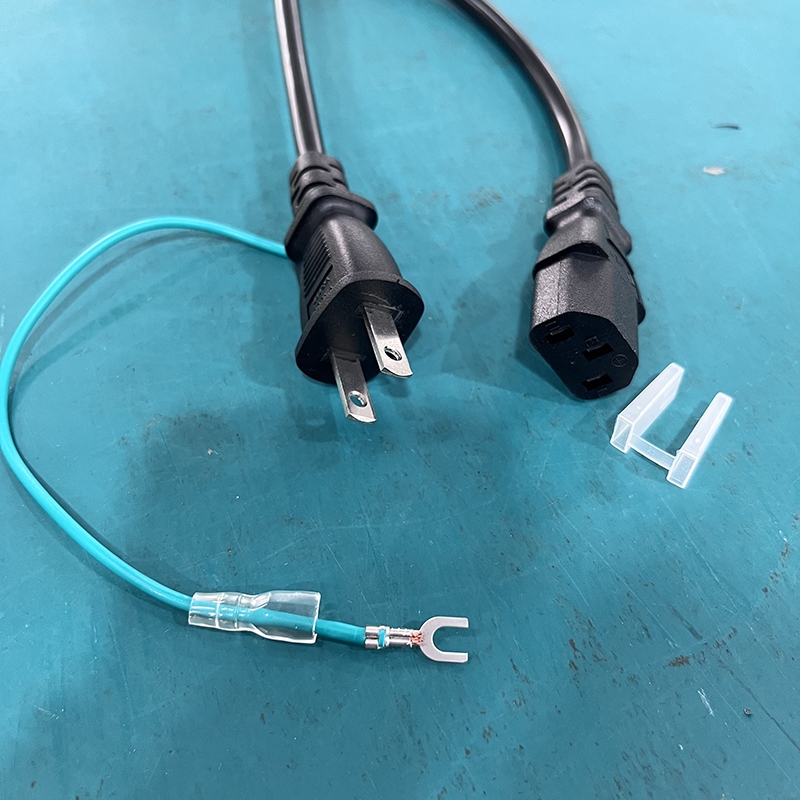
- US power strips (NEMA-style American plugs): Designed for 120V/60Hz systems with flat two- or three-prong plugs. Confirm the grounding pin is intact.
- Surge protector power strips : These absorb voltage spikes from lightning or grid fluctuations. Choose models with at least 1,000–2,000+ joules for electronics; 2,000+ joules for high-value devices like computers or TVs.
Expert fix: Only buy products with visible certifications: CCC (China), CE (EU), UL (US), or BS/UKCA (UK). Avoid "universal" adapters and unbranded strips.
3. Ignoring Aging and Wear – A Silent Fire Hazard
Power strips are consumables. Over time, sockets loosen, springs fatigue, and insulation cracks.
Warning signs to watch for:
- Blackened or burnt sockets
- Loose plugs that don't grip tightly
- Noticeable heat or burning plastic smell during use
- Cracked or deformed housing
Expert fix: Replace every 3–5 years in normal homes; every 2–3 years in kitchens, bathrooms, or high-load offices. Stop using immediately if any warning sign appears.
4 Must-Follow Daily Habits for Safe Power Strip Use
Dedicate Outlets for High-Power AppliancesAir conditioners, refrigerators, water heaters, and microwaves should never share a strip—especially UK plugs or US power strips in mixed-voltage setups. Use surge protector power strips only for sensitive electronics.
Unplug or Switch Off When Not in UseEven “off” devices draw standby power and keep circuits live. Choose strips with individual switches or unplug entirely for maximum safety and energy savings.
Master Proper Plugging and Unplugging Technique
Grip the plug body, never yank the cord.
Use two hands: one to steady the strip, one to pull straight.
Keep hands dry and remove metal jewelry. UK and US plug shapes differ—always align correctly to prevent arcing.
Replace Immediately and Never ModifyStop using any strip that overheats, shows damage, or sparks. Never daisy-chain strips, splice cords, or replace plugs yourself.
Power Strip Safety Statistics You Need to Know in 2025–2026
Home electrical fires remain a serious threat. The Electrical Safety Foundation International (ESFI) reports that roughly 3,300 home fires originate from extension cords and power strips annually in the US, causing approximately 50 deaths and 270 injuries. Broader U.S. data shows electrical malfunctions contribute to an estimated 51,000 home fires each year, resulting in nearly 500 deaths, over 1,400 injuries, and $1.3 billion in property damage.
In the UK, electrical faults cause over 20,000 accidental home fires annually and account for about 18% of workplace fires (approximately 2,126 incidents in 2024/25). These figures highlight why proper selection and use of power strips, UK plugs, US power strips, and surge protector power strips are essential.
Real-World Lessons: Recent CPSC Power Strip Recalls
In March 2026, the U.S. Consumer Product Safety Commission (CPSC) recalled approximately 5,543 CCCEI-brand power strips sold on Amazon. These lacked supplementary overcurrent protection, leading to reports of sparking and melting when overloaded. Similar recalls in 2025–2026 underscore that even popular online products can fail catastrophically. Always prioritize certified products over low prices.
Expert Checklist: How to Inspect and Maintain Your Power Strips
Perform this 60-second check monthly:
- Visual inspection for damage, discoloration, or heat marks.
- Test plug grip—tight fit only.
- Feel for warmth during normal use (should stay cool).
- Verify the surge protector indicator light (on protected models) is still green.
- Confirm the strip is UL-listed or equivalent and matches your country's voltage.
Professional Buying Guide: Choosing the Right Power Strip
Prioritize these features:
UL94 V-0 flame-retardant housing
100% pure copper conductors
Built-in overload protection switch and safety shutters
Multi-country certifications
For surge protection: minimum 1,000 joules (2,000+ joules recommended for computers, TVs, and sensitive electronics)
UK plugs: Confirm BS 1363 and fused plug.US power strips: Match NEMA standards with full grounding.Surge protector power strips: Ideal for home offices and entertainment systems—place them away from high-heat appliances.
Pro tip: Never place strips on carpets, under furniture, or in damp areas. Keep them visible and accessible.
FAQ: Common Questions About Power Strip Safety
Q1: Can I plug a power strip into another power strip (daisy-chaining)?
A: No. Daisy-chaining significantly increases overload risk and is strongly discouraged by safety organizations. Use a single, properly rated strip or dedicated circuits instead.
Q2: How many joules should a surge protector power strip have?
A: For basic protection, 1,000 joules is minimum. For computers, TVs, and sensitive electronics, choose 2,000 joules or higher. Higher joule ratings provide better absorption of voltage spikes from lightning or grid fluctuations.
Q3: Are UK plugs (British power strips) safer than others?
A: UK BS 1363 plugs include a built-in fuse and shuttered sockets, offering excellent overload and child-safety protection in 230V systems. However, they must still match the load and be properly grounded.
Q4: How long can I safely use a power strip?
A: Replace every 3–5 years for normal home use, or every 2–3 years in high-load or damp environments (kitchens, bathrooms). Inspect monthly for signs of wear.
Q5: Is it safe to use power strips with high-power appliances like air conditioners or microwaves?
A: Generally no. Large appliances should use dedicated wall outlets. If a strip is necessary, ensure its rating far exceeds the appliance's wattage and never combine with other devices.
Q6: What should I do if my power strip gets hot?
A: Unplug it immediately, stop using it, and replace it. Heat is a clear sign of overload, poor contact, or internal damage and can quickly lead to fire.
Q7: Do US power strips work safely in other countries?
A: Only with the correct voltage converter and adapter. US NEMA-style strips are designed for 120V systems. Using them on 230V without proper conversion can cause immediate failure or fire.
Final Takeaway: Safety Is a Habit, Not a Product
Power strip safety boils down to three principles: know your load, choose quality, and replace proactively. By applying the habits and checks in this guide, you protect your family, property, and electronics far beyond what most generic advice offers.
If you're shopping for UK plugs, US power strips, or surge protector power strips for a specific setup (home, office, or export), drop your requirements in the comments—I'm happy to provide tailored recommendations based on real-world testing.
Last updated: April 2026. Always verify the latest local electrical codes and product certifications before purchase.
References
1. Electrical Safety Foundation International (ESFI). "Reaching to Safety: Use Extension Cords Properly." https://www.esfi.org/reaching-to-safety-use-extension-cords-properly/
2. U.S. Fire Administration (USFA). "Appliance and Electrical Fire Safety." https://www.usfa.fema.gov/prevention/home-fires/prevent-fires/appliance-and-electrical/
3. Consumer Product Safety Commission (CPSC). "CCCEI Brand Power Strips Recalled Due to Risk of Serious Injury or Death from Fire." https://www.cpsc.gov/Recalls/2026/CCCEI-Brand-Power-Strips-Recalled-Due-to-Risk-of-Serious-Injury-or-Death-from-Fire-Sold-by-Middle-Way-Electronics
4. UL Solutions. "Guide to Power Strips and Surge Protectors." https://www.ul.com/insights/guide-power-strips-and-surge-protectors
5. NFPA. "Electrical Safety in the Home." https://www.nfpa.org/education-and-research/home-fire-safety/electrical-safety-in-the-home
6. Anker. "How Many Joules for Surge Protector: Optimal Joule Ratings." https://www.anker.com/blogs/chargers/how-many-joules-for-surge-protector (updated guidelines as of 2025)
7. UK Fire Statistics and Electrical Fault Data (2024/25–2026). https://www.firemarshaltraining.co.uk/blog/electrical-fire-statistics-uk



 Email
Email