



Content Menu
● Extension Cord vs. Power Strip vs. Extension Lead
● How to Choose the Right Extension Cord
● Outdoor Extension Cord Safety
● Where to Buy Extension Cords
● Extension Cord Safety: Common Mistakes
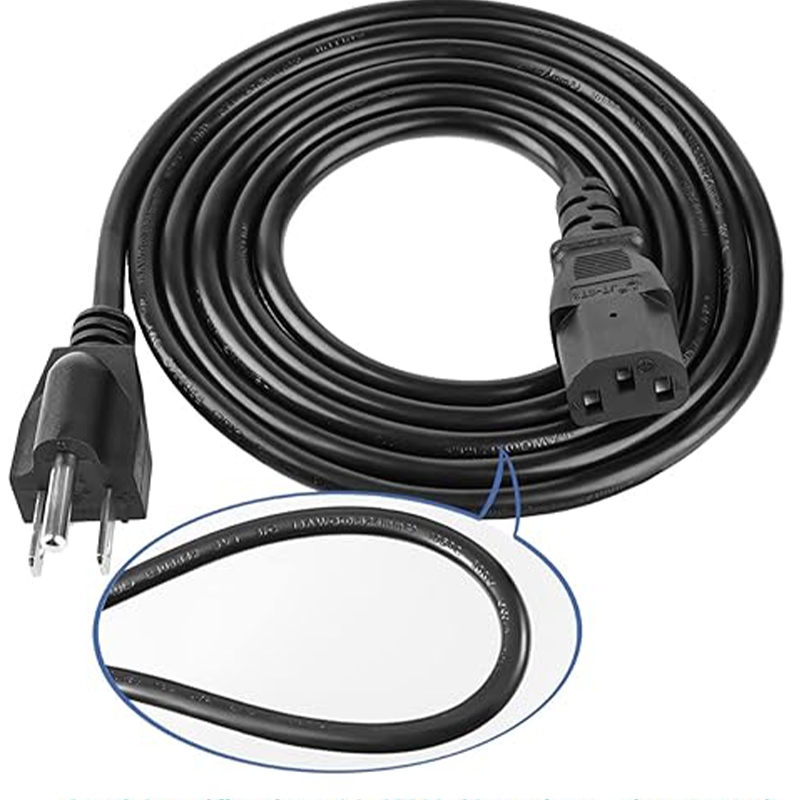
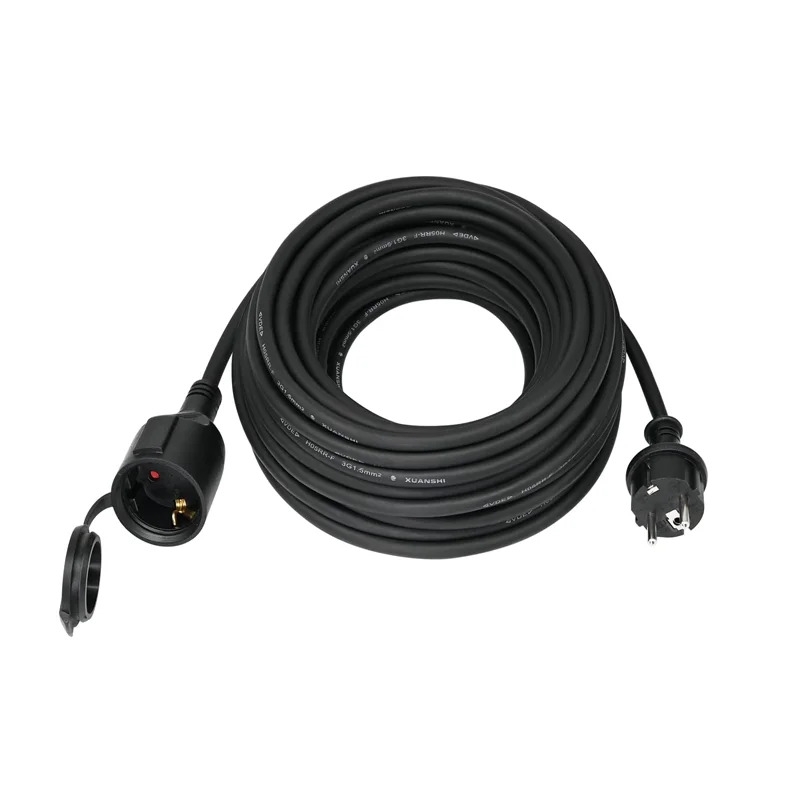
An extension cord provides temporary power when an electrical outlet is out of reach. Choosing the right cord means checking three key factors: wire gauge, cord length, and rated amperage. Outdoor applications also require a cord specifically rated for weather exposure.
Extension Cord vs. Power Strip vs. Extension Lead
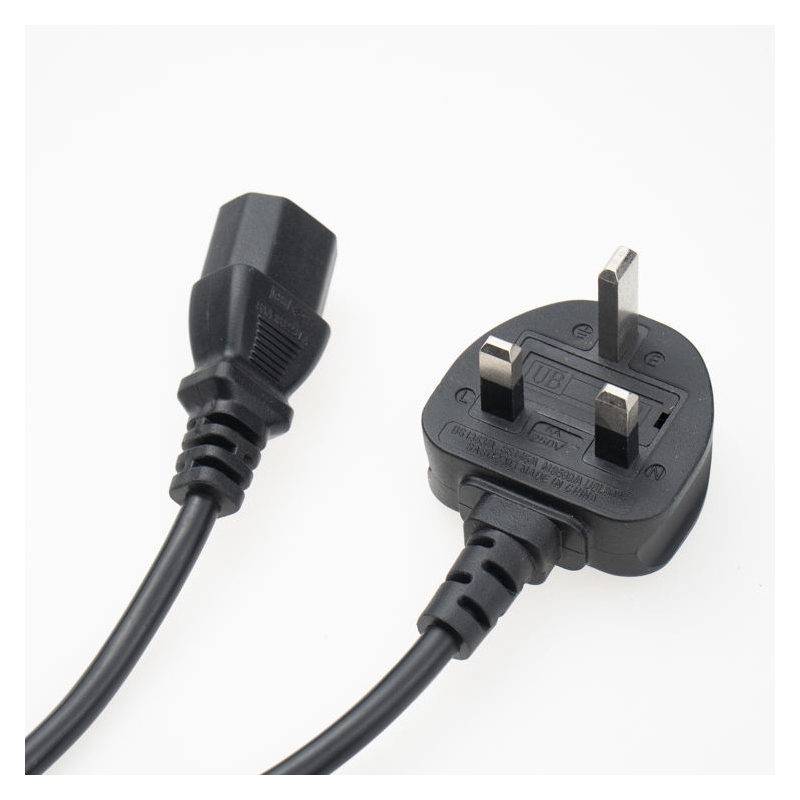
- Extension Cord: Extends power from one outlet to a remote location.
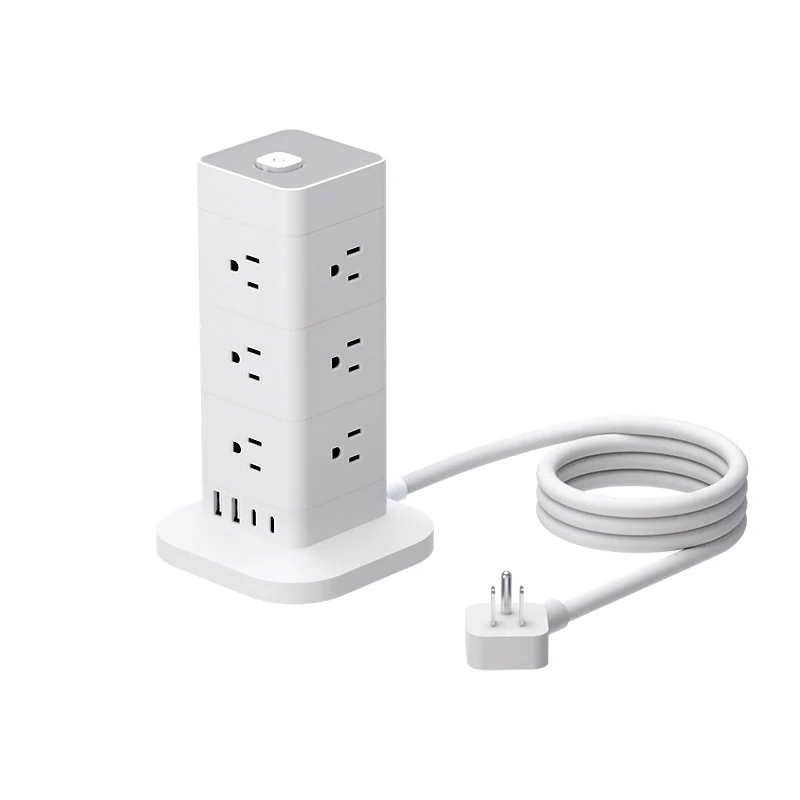
- Power Strip: Provides multiple outlets for desks, offices and entertainment systems.
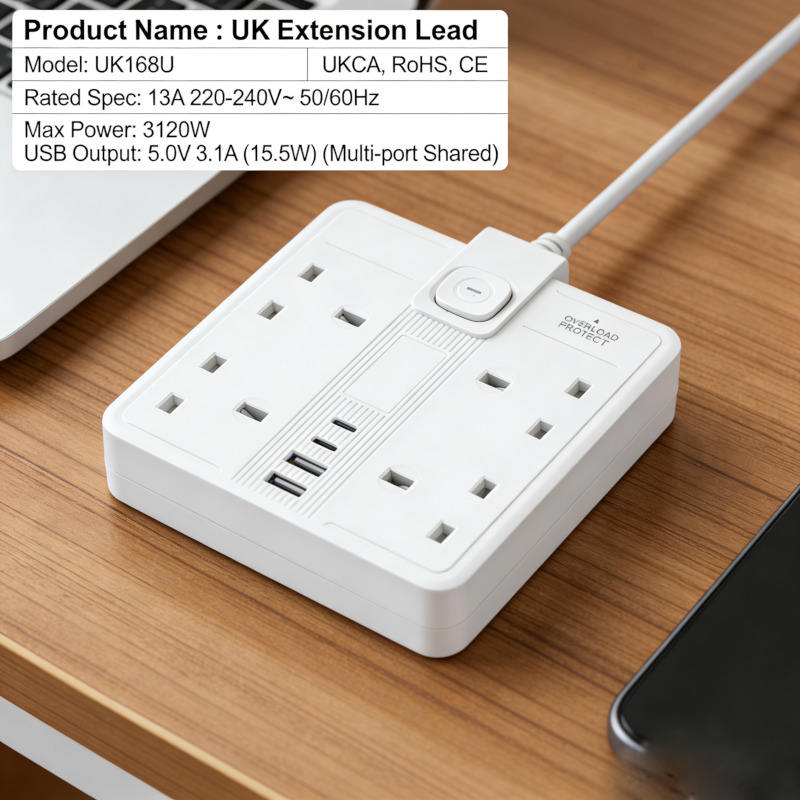
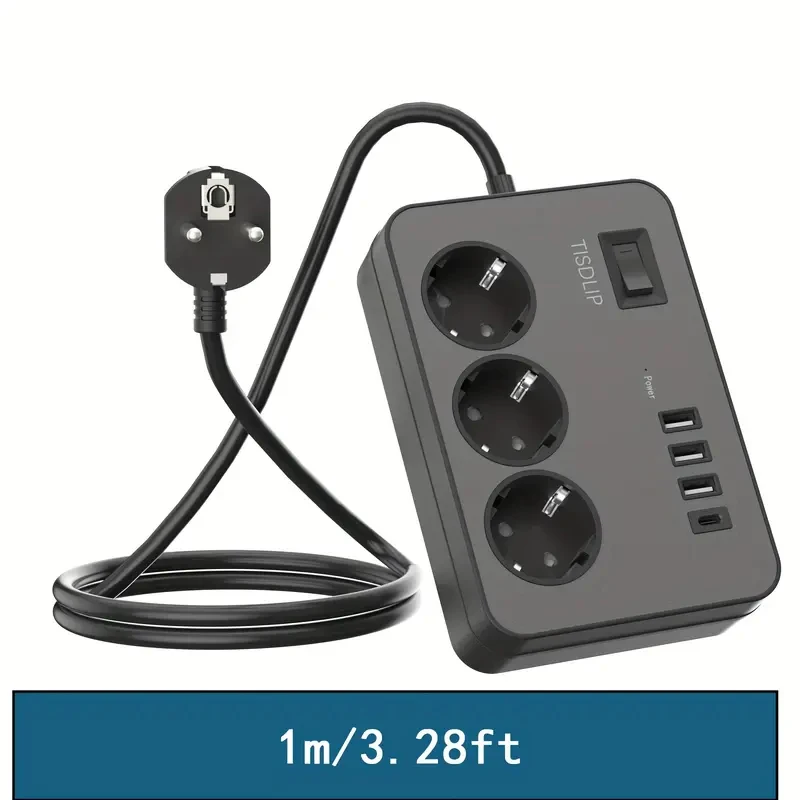
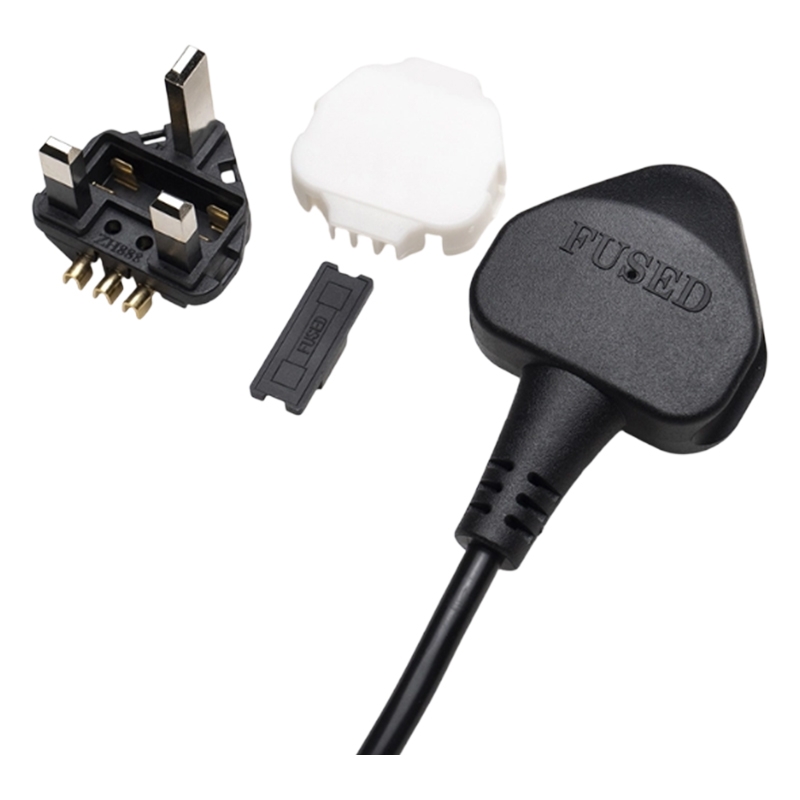
- Extension Lead: A common UK/EU term for a cord-connected socket unit with multiple outlets.
Choose an extension cord for distance and a power strip when you need more outlets. Never daisy-chain these products.

Types of Extension Cords
| Type | Typical Applications |
|---|---|
| 16 AWG | Lamps, chargers and light-duty devices |
| 14 AWG | Household tools and general appliances |
| 12 AWG | Heavy-duty tools and longer runs |
| 10 AWG | Specialized high-load applications |
Actual current ratings depend on cable length, insulation, connectors and product certification. Always follow the manufacturer rating.
How to Choose the Right Extension Cord
1. Calculate the load: Divide watts by voltage to estimate amperage.
2. Select the gauge: Thicker conductors generally reduce resistance and voltage drop.
3. Check the length: Choose the shortest practical cord and consider voltage drop on longer runs.
For example, a 1,200W appliance on a 120V supply draws approximately 10A.
Outdoor Extension Cord Safety
Look for outdoor-rated jacket markings such as SJTW or SJTOW. The W indicates weather-resistant construction, not waterproof or submersible protection.
- Use GFCI-protected outlets outdoors.
- Keep connections away from standing water.
- Fully uncoil cords under load.
- Avoid doors, windows and sharp edges.
- Inspect cords regularly and replace damaged products.

Where to Buy Extension Cords
Common US purchasing options include Home Depot, Lowe, Walmart, Target, Ace Hardware, Harbor Freight and Amazon. Electrical supply distributors are useful for specialized 12/3 and 10/3 cables.
Compare product ratings, certification, cable construction and connector quality rather than price alone.
What Should Buyers Check?
For bulk purchasing, confirm:
- AWG and conductor material.
- Voltage and current ratings.
- Cable jacket and insulation material.
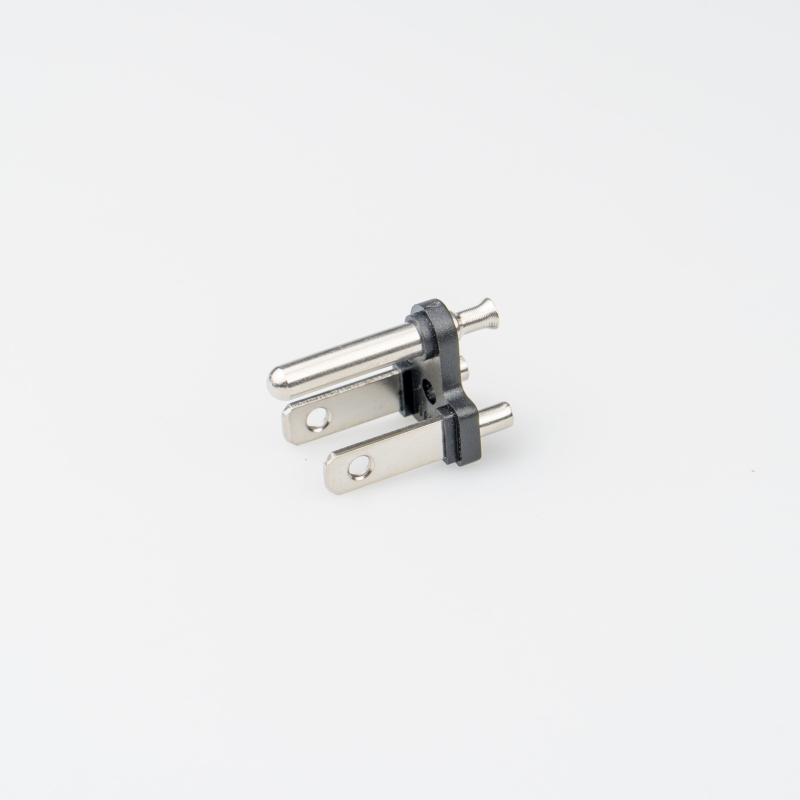
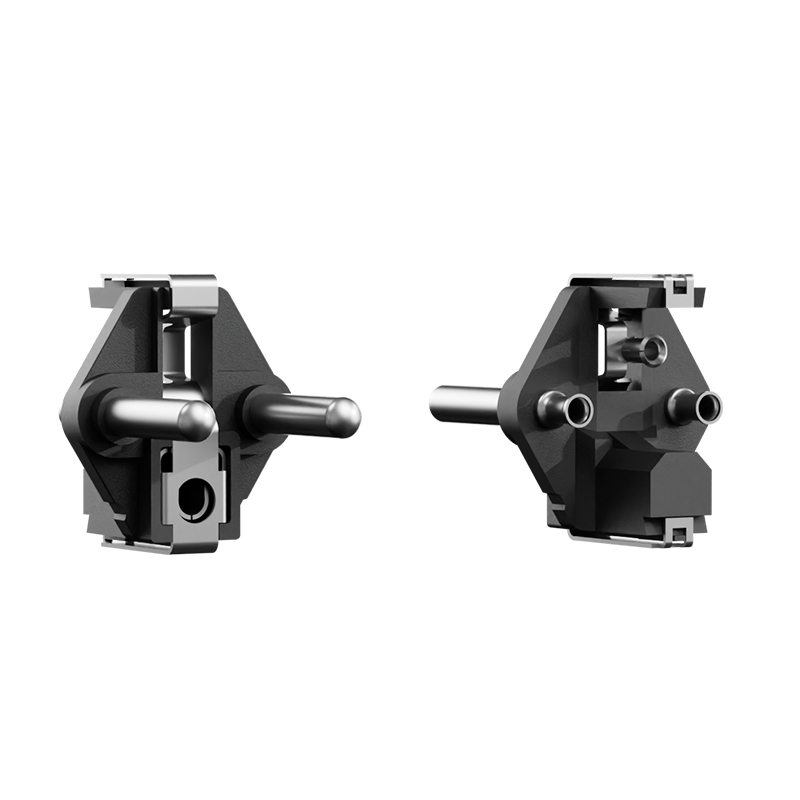
- Plug and connector standards.
- Applicable UL or ETL certification.
- Cable length, packaging and OEM/ODM options.
Extension Cord Safety: Common Mistakes
Never overload cords, cover them with rugs, connect multiple extension cords together or use damaged cables. Avoid using extension cords with high-power heating appliances unless the manufacturer permits it and the cord is appropriately rated. Extension cords are intended for temporary use, not permanent wiring.
Frequently Asked Questions
What gauge extension cord do I need?
16 AWG suits many light-duty applications, while 14 AWG and 12 AWG are commonly used for progressively heavier loads. Check the complete product rating.
Can indoor extension cords be used outdoors?
Use cords specifically rated for outdoor applications, such as suitable SJTW products.
How long can an extension cord be?
There is no single universal maximum. Longer cables require careful consideration of voltage drop and rated capacity.
Why do extension cords overheat?
Overloading, damaged connections, undersized conductors and tightly coiled cables can cause excessive heat.
Conclusion
Choose extension cords according to their electrical ratings, conductor gauge, length and intended environment. For reliable performance, always verify the complete cord assembly rather than relying on wire gauge alone.
References
- CPSC: https://www.cpsc.gov/FAQ/Extension-Cords
- OSHA: https://www.osha.gov/electrical/hazards/flexible-cords
- ESFI: https://www.esfi.org/extension-cord-safety-tips
- Southwire: https://www.southwire.com/



 Email
