

Content Menu
● 1. The Basics: Polarized vs Non-Polarized NEMA 1-15P US Power Cords
● 2. The Electrical Science Behind Polarization
● 3. Real-World Safety Advantages of Polarized Cords
● 4. When Non-Polarized US Power Cords Are the Smart (and Safe) Choice
● 5. SPT-1 vs SPT-2: Choosing the Right Insulation for Your Application (New Section)
● 6. Industry Case Study & Latest Safety Data (New Section)
● 7. Procurement Guide: Specifying the Right US Power Cord
● 8. Certifications: UL vs ETL – What Procurement Teams Need to Know
● 9. Expert Recommendations & Best Practices
● Frequently Asked Questions (FAQ)
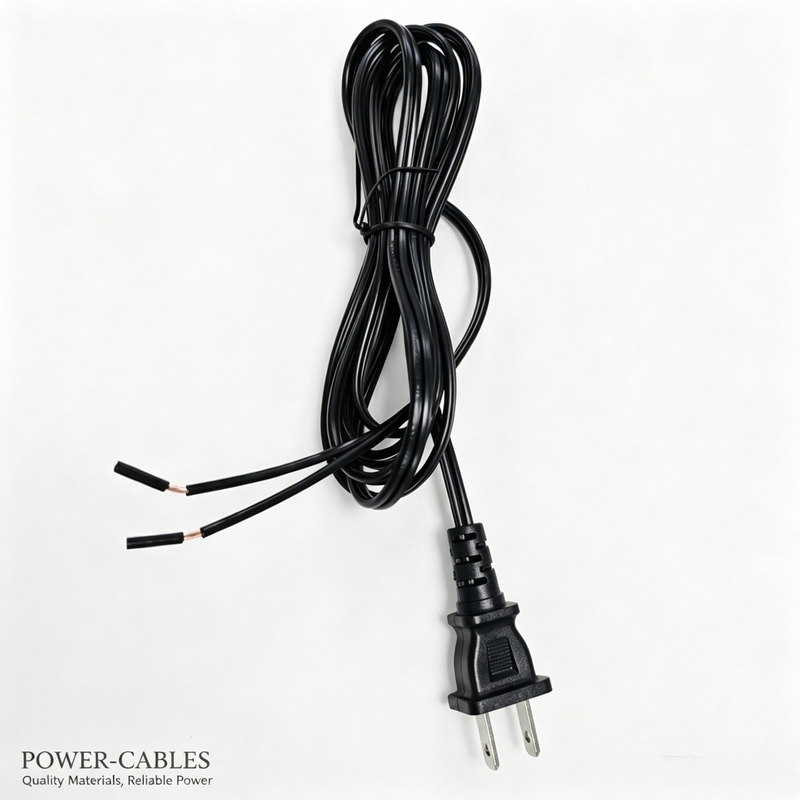
Over the past 15+ years manufacturing US power cords for global OEM/ODM clients, I've seen how a seemingly small design choice—polarized versus non-polarized NEMA 1-15P plugs—can dramatically impact product safety, regulatory approval, and liability exposure.
In this in-depth guide, I share practical expertise from the factory floor and engineering discussions to help procurement managers, product designers, and exporters make informed decisions when sourcing SPT-1 power cords, 2 prong power cords, and ETL-certified solutions for the North American market.
1. The Basics: Polarized vs Non-Polarized NEMA 1-15P US Power Cords
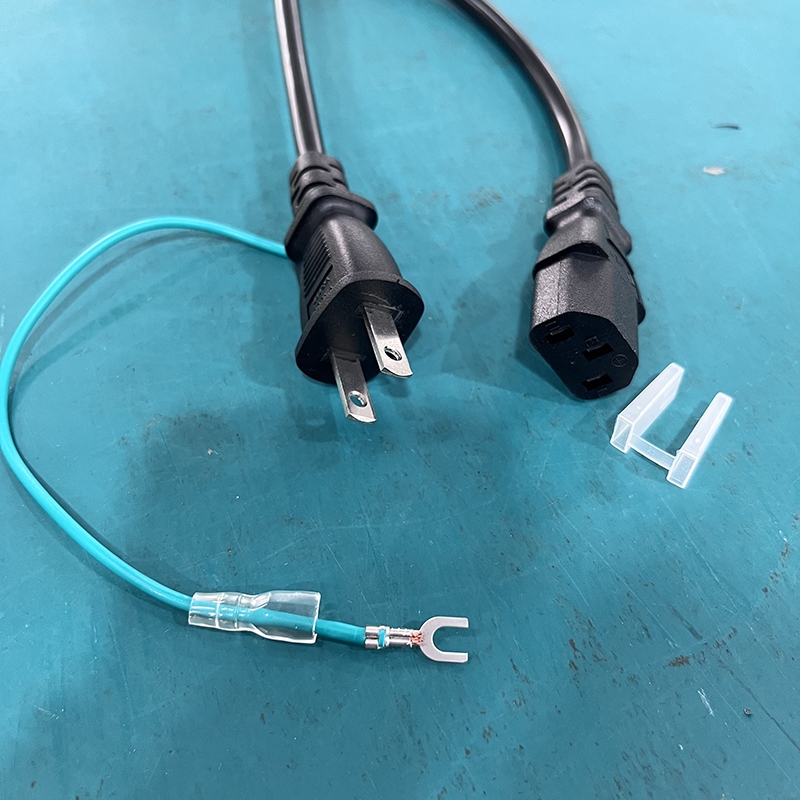
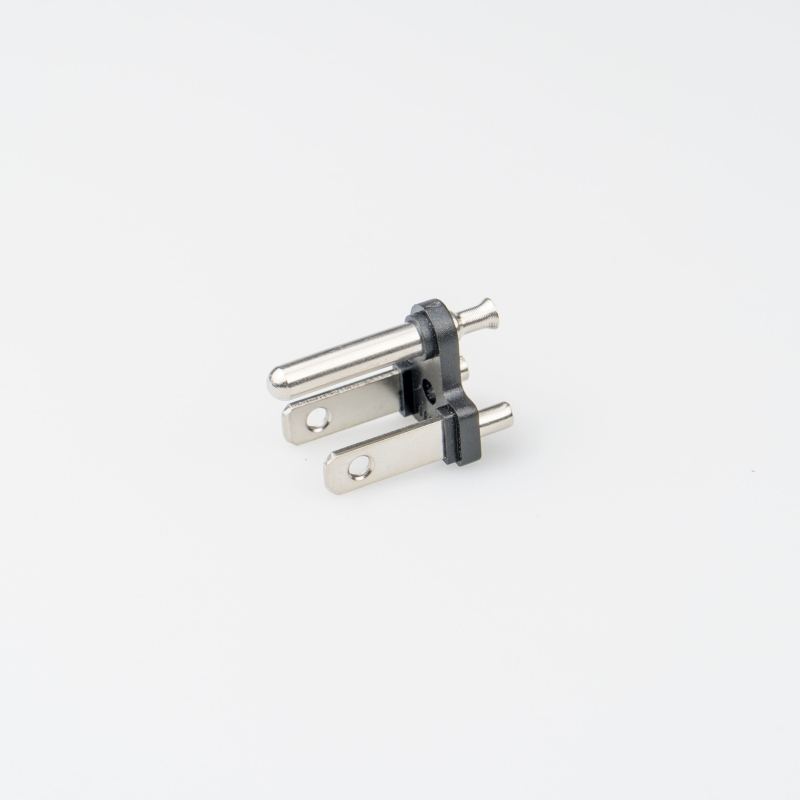
Non-Polarized 2 Prong Power Cord
Both blades are the same width (≈ 6.35 mm / 0.250 inches). The plug can be inserted in either orientation. This design works well for symmetrical or double-insulated devices where hot/neutral orientation doesn't affect safety.
Polarized NEMA 1-15P Power Cord
One blade (neutral) is wider (≈ 7.92 mm / 0.312 inches) while the hot blade remains narrower. This asymmetry ensures the plug inserts in only one direction, maintaining consistent electrical polarity.
Suggested Image Placement: Insert a clear side-by-side comparison diagram here (Non-Polarized vs Polarized blades with measurements).
| Feature | Non-Polarized | Polarized (NEMA 1-15P) |
|---|---|---|
| Blade Width | Identical | One wide (Neutral), one narrow (Hot) |
| Insertion | Reversible | One-way only |
| Best Applications | Lamps, chargers, double-insulated devices | Fans, blenders, monitors, medical equipment |
| Safety Benefit | Simplicity & flexibility | Predictable hot/neutral alignment |
2. The Electrical Science Behind Polarization
In North American 120V/60Hz systems:
- The Hot wire carries 120V and is the primary shock hazard.
- The Neutral wire returns current and sits near 0V to ground.
Polarization creates a predictable electrical topology inside the appliance. This predictability delivers multiple layers of protection that non-polarized cords cannot guarantee in asymmetrical designs.
3. Real-World Safety Advantages of Polarized Cords
Lamp Socket Protection
In E26/E27 fixtures, polarization routes the neutral to the outer screw shell. Users changing bulbs are far less likely to contact a live 120V surface.
Single-Pole Switch Safety
Polarization ensures the switch always breaks the hot line. With reversed polarity (possible using non-polarized cords), the appliance may appear off while internal components remain energized — a common cause of shocks during maintenance.
Fuse and Overcurrent Protection
Internal fuses provide maximum protection only on the hot side. Correct polarization prevents fault current from bypassing the fuse.
Suggested Image/Video: Embed a short animated diagram or video illustrating hot/neutral flow in correct vs reversed polarity.
4. When Non-Polarized US Power Cords Are the Smart (and Safe) Choice
Not every device needs polarization. Our most popular non-polarized US power cord is ideal for:
- Double-insulated (Class II) appliances
- Purely resistive or symmetrical loads
- Cost-sensitive consumer electronics
Modern double insulation combined with proper ETL certification makes high-quality non-polarized cords extremely safe for a wide range of applications, including table lamps, small monitors, and chargers.
5. SPT-1 vs SPT-2: Choosing the Right Insulation for Your Application (New Section)
SPT-1 Power Cord: 0.030" insulation thickness — highly flexible, perfect for light-duty use (lamps, clocks, electronics under 3-5A).
SPT-2 Power Cord: 0.045" insulation — 50% thicker, better abrasion and heat resistance for appliances with more mechanical stress.
Both use the same copper conductor performance; the difference is mechanical durability. For your 2200mm (7.2FT) applications, SPT-1 often provides the best balance of flexibility and cost.
Suggested Image: Cross-section comparison of SPT-1 and SPT-2 insulation.
6. Industry Case Study & Latest Safety Data (New Section)
According to CPSC data, extension cords and power cords contribute to thousands of injuries and hundreds of fires annually in the US. Proper polarization and certified construction significantly reduce risks related to polarity reversal and internal faults.
In one client project involving medical aesthetics equipment, switching from non-polarized to polarized cords (matched to the device's single-pole switch design) helped achieve smoother UL/ETL approval and eliminated potential reverse-polarity testing failures.
7. Procurement Guide: Specifying the Right US Power Cord
When ordering ETL certified US 2 prong power cord solutions, always specify:
1. Plug type (Polarized or Non-Polarized NEMA 1-15P)
2. Wire gauge & type (e.g., SPT-1 2x20AWG or 18AWG)
3. Length (2200mm ±30mm common)
4. Voltage/Temperature rating (300V 105°C recommended)
5. Pure copper conductors (avoid CCA)
6. ETL or UL Listing with valid CCN
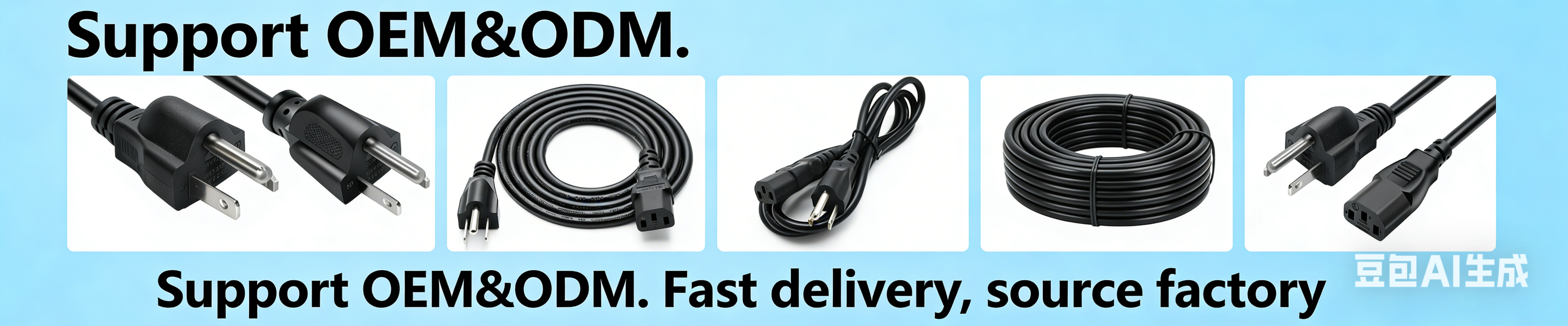
Suggested Image Placement: Product photos of your SPT-1 2200mm non-polarized cord with clear markings.
8. Certifications: UL vs ETL – What Procurement Teams Need to Know
Both UL and ETL are OSHA-recognized Nationally Recognized Testing Laboratories (NRTLs). They test to the same UL 817 standard with equivalent safety outcomes. ETL certification is often faster and more cost-effective for manufacturers while maintaining full regulatory acceptance in the US and Canada.
9. Expert Recommendations & Best Practices
- Match cord polarization to your appliance's internal design and insulation class.
- Always request test reports and CCN verification.
- Consider custom strain relief, overmolding, and color options for brand differentiation.
CTA: Looking for reliable SPT-1 2x20AWG US power cords, polarized NEMA 1-15P variants, or custom OEM solutions? Contact our team today for samples, technical specifications, and competitive pricing tailored to your North American export needs.
Frequently Asked Questions (FAQ)
Q1: Can I use a polarized plug with a non-polarized extension cord?
A: No. The wider neutral blade is designed not to fit — this is an intentional safety feature.
Q2: Is there a real safety difference between UL and ETL listed power cords?
A: No. Both are fully accepted NRTLs and test to identical standards (UL 817).
Q3: Are non-polarized US power cords safe?
A: Yes, when used with double-insulated or symmetrical-load devices and properly ETL/UL certified.
Q4: What does SPT-1 mean on a power cord?
A: Service Parallel Thermoplastic with standard (0.030") insulation thickness — flexible for light-duty applications.
Q5: When should I upgrade from 2-prong to 3-prong grounded cords?
A: When the appliance has exposed metal parts that users can touch or lacks double insulation (Class I equipment).
Q6: What is the typical length and rating for your SPT-1 US power cords?
A: Our standard is 2200mm (7.2FT) SPT-1 2x20AWG, 300V, ETL certified, suitable for most small appliances.
References
1. Interpower Corporation – Polarization and Non-Polarization of the NEMA 1-15 Plug: https://www.interpower.com/ic/InfoPower/polarized-non-polarized-nema-1-15-plug-and-socket.html
2. UL 817 Standard for Cord Sets and Power-Supply Cords (via Federal Register & Intertek): https://www.federalregister.gov/documents/2015/07/27/2015-18294/substantial-product-hazard-list-extension-cords
3. Thunder Lighting Supply – SPT-1 vs SPT-2 Differences: https://thunderlightingsupply.com/spt-1-vs-spt-2-vs-spt-3/ &
4. Intertek ETL vs UL Certification Guide: https://vantecable.com/blogs/extension-cord-library/etl-vs-ul-certification-extension-cords
5. NEMA WD 6 Standard Overview: https://www.nemawiringdevices.org/standards/
6. CPSC Extension Cord Safety Statistics: Multiple public reports.



 Email
Email