


How to Choose the Right SAA Power Cord for Australia & New Zealand in 2026
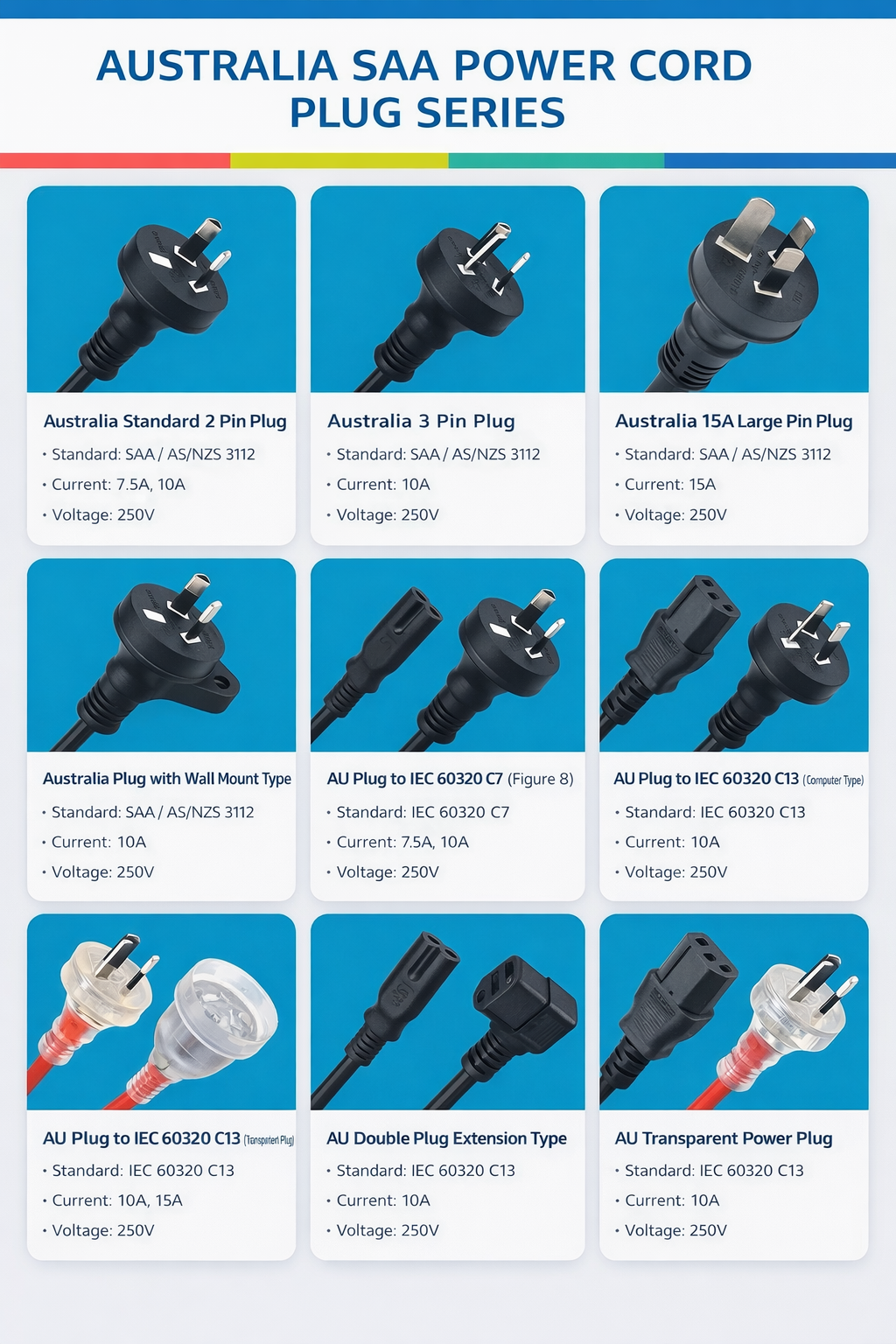
Importing or supplying electrical equipment to Australia and New Zealand? Choosing the correct SAA approved power cord is non-negotiable. These markets enforce strict safety regulations under AS/NZS 3112 standards, and non-compliant cords can result in rejected shipments, fines, equipment failure, or serious safety risks like electrical fires.
This comprehensive guide walks you through the key factors to select a compliant, reliable SAA power cord — helping buyers, importers, distributors, and OEMs avoid costly mistakes and ensure smooth market entry.
Why SAA Approval Matters for Power Cords in Australia & New Zealand
Australia and New Zealand share harmonized electrical standards (AS/NZS series), requiring SAA certification (via approved bodies) for most power cords and plugs. This mark confirms compliance with safety, performance, and testing requirements.
Risks of using non-SAA certified cords:
Failed customs/import clearance
Product recalls or bans
Liability for electrical hazards (overheating, shocks, fires)
Damage to connected devices due to poor quality or mismatched ratings
Pro tip: Always look for the SAA mark on the plug or cord — it's your proof of legal compliance and quality assurance.
Step 1: Verify the Plug Standard — AS/NZS 3112 (Type I)
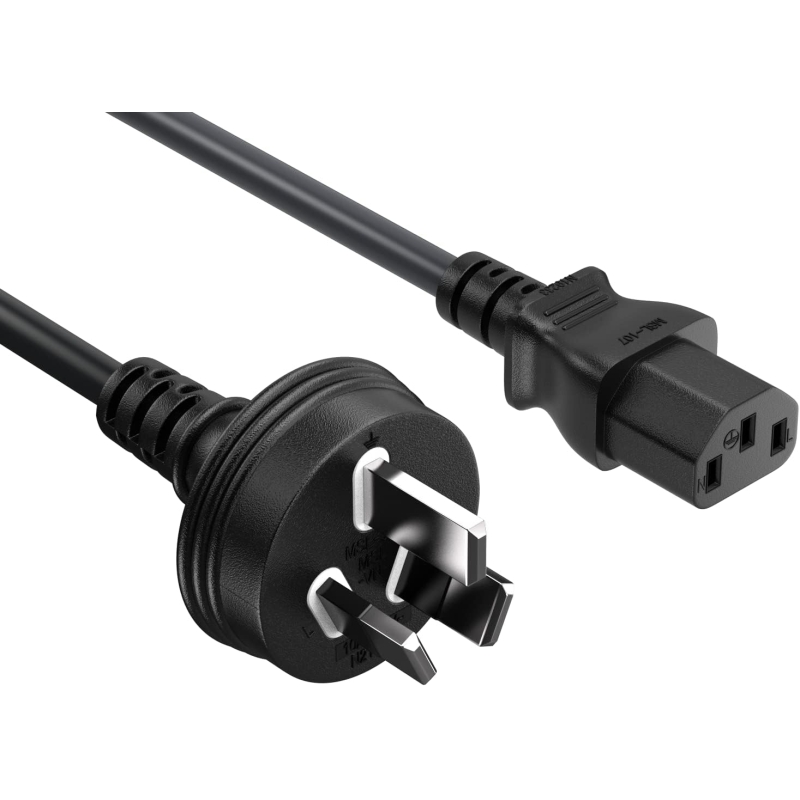
All mains power cords for Australia and New Zealand must feature the AS/NZS 3112 plug (commonly called Type I or SAA plug). This three-pin design (active, neutral, and earth) ensures safe, polarized connection.
Key features:
Flat pins in inverted V-shape (30° angle)
Earth pin longer for safety
Standard rating: 10A/250V for most household use (higher ratings like 15A or 20A available for industrial)
Common variants:
10A (standard residential/commercial)
15A (larger earth pin, for higher loads)
20A+ (heavier-duty pins)
Non-compliant plugs (e.g., generic "Australian style" without SAA) will not pass inspections.
Step 2: Select the Correct IEC Connector on the Device End
Most modern equipment uses international IEC 60320 connectors, allowing global compatibility.
Popular options for SAA power cords:
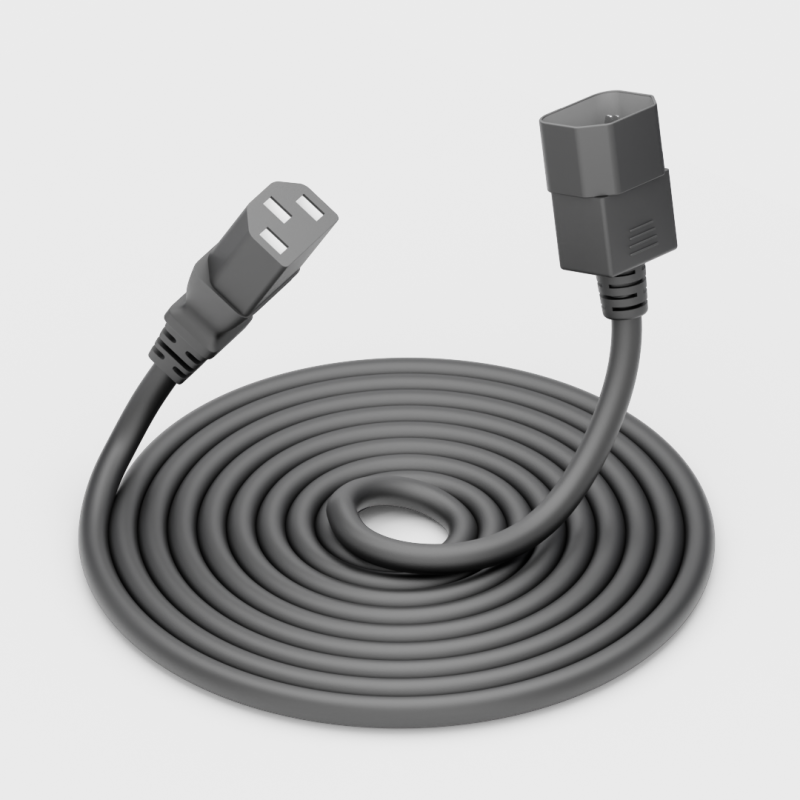
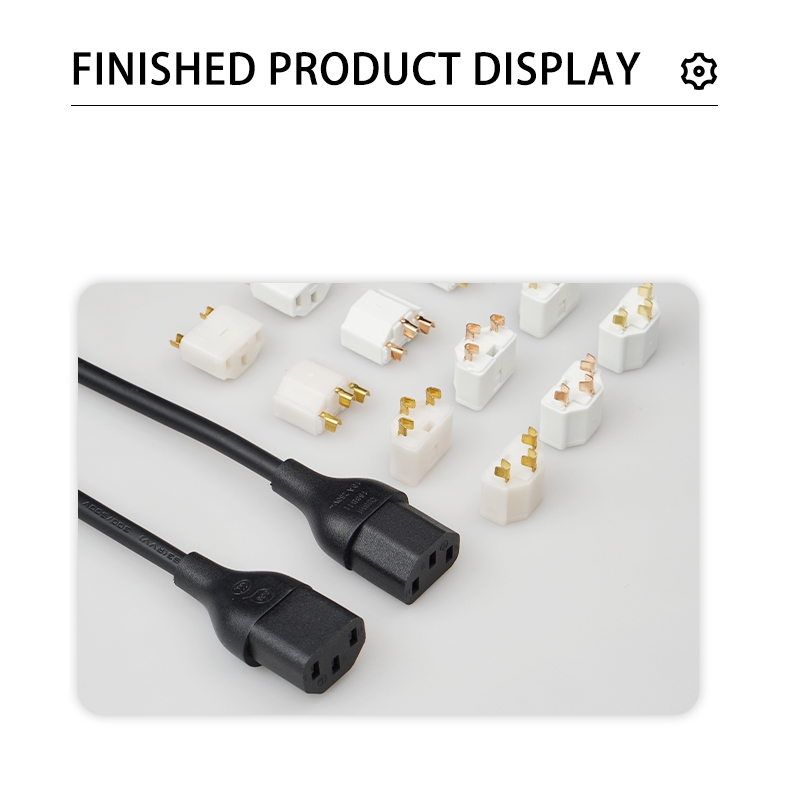
IEC C13 (3-pin, standard) — Computers, monitors, printers, servers, office equipment
IEC C14 — Inlet on devices (pairs with C13 cords)
IEC C5 (cloverleaf/mickey mouse) — Laptops, some adapters, low-power devices
IEC C7 (figure-8) — Small appliances, audio equipment, non-grounded
IEC C15 (high-temperature, notched) — Kettles, heaters, devices up to 120°C
Match tip: Check your device's inlet type and power requirements before ordering.
Step 3: Match Current & Voltage Rating to Your Application
Undersized cords overheat; oversized ones add unnecessary cost and bulk.
Standard ratings:
7.5A–10A / 250V — Most household and office appliances (common for C13/C5/C7 cords)
15A–20A — Higher-power tools, industrial equipment
Cable cross-section (e.g., 1.0mm² for 10A, 1.5mm² for higher)
How to calculate:
Check device wattage (e.g., 2000W kettle)
Divide by voltage (240V in AU/NZ) → Current ≈ 8.3A
Choose cord rated ≥10A for safety margin
Always exceed the load slightly for longevity and heat dissipation.
Step 4: Factor in the Operating Environment
Environment dictates cable jacket, insulation, and flexibility.
Recommendations:
Indoor/office → Standard PVC (H05VV-F or similar)
High-temperature (kettles, ovens) → Heat-resistant (C15 + special jacket)
Outdoor/wet areas → Waterproof/IP-rated, UV-resistant
Industrial/heavy-duty → Rubber (HO7RN-F), oil/chemical resistant, extra flexible
Consider length too — longer cords increase voltage drop; keep under 5-10m where possible.
Step 5: Insist on Full SAA Certification & Supporting Docs
Legitimate suppliers provide:
SAA approval certificate (traceable number)
Test reports (AS/NZS 3112, AS/NZS 3191 for flexible cords)
RCM mark (for EMC compliance, often bundled)
Avoid suppliers offering "SAA compatible" without documentation — it's often fake.
Step 6: Partner with a Reliable SAA Power Cord Manufacturer
For bulk imports or custom needs, choose a manufacturer with:
Proven SAA/RCM certification track record
In-house testing and quality control
Customization (lengths, colors, private labeling, packaging)
Competitive wholesale pricing and reliable lead times
Free samples for evaluation
This ensures consistent quality and faster market delivery.
Common SAA Power Cord Types Available
AU to IEC C13 (standard computer/power supply cord)
AU to IEC C15 (high-temp for kettles/coffee machines)
AU Figure-8 (C7) for low-power devices
AU Cloverleaf (C5) for laptops/adapters
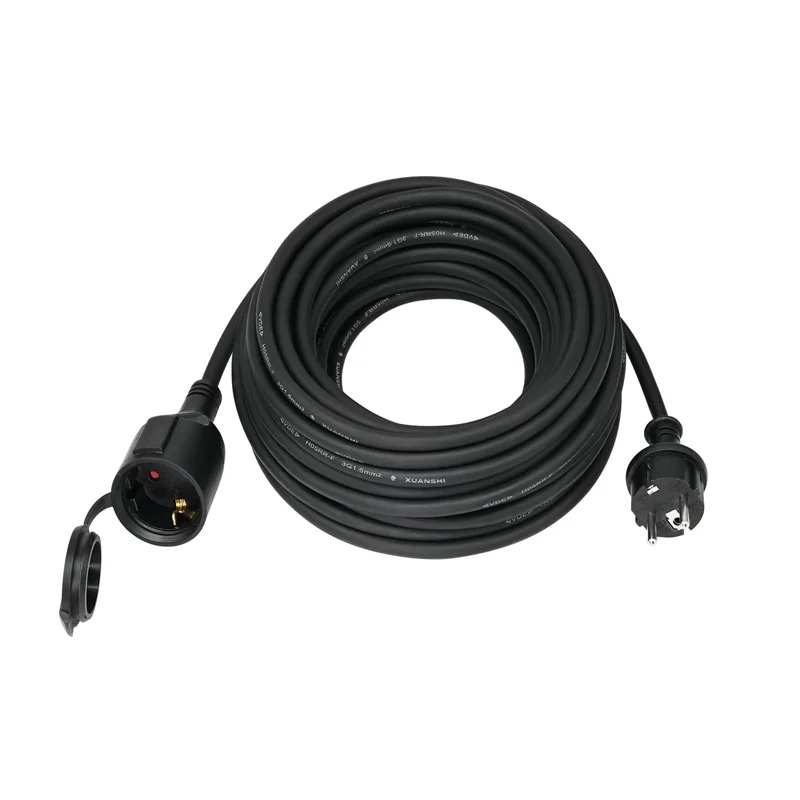
Waterproof/outdoor SAA extension cords
Heavy-duty industrial SAA power cords (15A/20A)
Ready to Source Compliant SAA Power Cords?
Selecting the right SAA approved power cord protects your business, ensures safety, and opens doors to the Australia & New Zealand markets confidently.
As a direct factory supplier specializing in AS/NZS 3112 SAA power cords, we offer:
100% certified products with full documentation
Custom lengths, connectors, and branding
Free samples for qualified buyers
Bulk wholesale pricing with fast global shipping
Get your personalized quote within 24 hours — simply reply below, email us, or fill out our quick form with your specs



 Email
Email