


7 Appliances You Should Never Plug Into an Extension Cord: A Manufacturer’s Guide to Extension Cord Safety
Content Menu
● Introduction: The Critical Safety Blindspot in Modern Power Solutions
● The Engineering Reality: Why High-Wattage Appliances Fail on Extension Cords
>> 1. The 80% Rule for Continuous Loads
>> 2. Wire Gauge (AWG) and Copper Resistance
>> 3. Inrush (Startup) Current Surges
● 7 Appliances You Should Never Plug Into a Standard Extension Cord
>> 1. Space Heaters and Portable Electric Heaters
>> 3. Air Fryers, Toasters, and Countertop Ovens
>> 4. Refrigerators and Freezers
>> 6. Washing Machines and Treadmills
>> 7. "Daisy Chaining" (Connecting Multiple Extension Cords)
● Advanced Technical Depth: Spotting Structural Deficiencies in Low-Quality Cords
>> The Danger of Copper-Clad Aluminum (CCA) Wires
>> Low-Quality Terminal Crimping
● What Devices Are Safe to Use With Standard Extension Cords?
● B2B Procurement Compliance: Verifying International Safety Standards
● Summary and Final Manufacturer Verdict
● References & Authority Citations
Introduction: The Critical Safety Blindspot in Modern Power Solution

Every year, particularly during peak winter and summer seasons, our engineering team receives the same frantic inquiries from commercial distributors and global B2B buyers:
Can my customers run a heavy-duty space heater on a standard 16 AWG extension cord?
Is there a safe refrigerator extension cord for commercial kitchens?
Can we safely link two power strips together to extend our office layout?
While these questions seem straightforward, they reveal a fundamental, dangerous misunderstanding of electrical safety.
As a specialized electrical manufacturer with over 20 years of production experience at Dongguan Zhenghao Electric Co., LTD (TISDLIP), we have engineered and supplied power cords, extension cords, and power strips for the world's strictest compliance markets. Over the past two decades, we have identified one universal point of failure: most users treat an extension cord as a passive multiplier of outlets rather than an active, capacity-limited electrical transmission system.
An extension cord is a dynamic component of an electrical circuit. Its safety and structural integrity depend entirely on balanced technical variables:
* Wire gauge (AWG) and pure copper conductor cross-section area
* Continuous current and wattage ratings
* Total cable length (which dictates voltage drop)
* Insulation material compound quality (e.g., PVC, rubber, or TPE)
* Internal terminal crimping and plug connection resistance
When an appliance overloads a cable, structural failure rarely happens instantly. The cable may operate without visible warning signs for hours, days, or even months. However, internal thermal stress accumulates.
Eventually, resistance breaks down the insulation, leading to overheated plugs, melting PVC jackets, charred wall sockets, tripped circuit breakers, or catastrophic electrical fires.
The Engineering Reality: Why High-Wattage Appliances Fail on Extension Cords
To understand why specific appliances must never be paired with a standard extension cord, we must look beyond basic wattage ratings. Electrical safety relies on three primary engineering pillars.
1. The 80% Rule for Continuous Loads
According to the National Electrical Code (NEC), any electrical load running continuously for 3 hours or more must not exceed 80% of the circuit maximum rating.
If a portable space heater draws 1500W continuously on a standard 15A (1800W) household circuit, it operates right at the safety margin. Introducing a low-grade or incorrectly rated extension cord adds unnecessary contact resistance, raising ambient operating temperatures and accelerating thermal degradation.
2. Wire Gauge (AWG) and Copper Resistance
The internal copper conductor thickness directly determines how much current (I a cable cansafely transmit without overheating. A thinner wire possesses higher electrical resistance.
According to Joule's First Law, heat generated is proportional to resistance (I2 R). Higher
resistance means more heat is trapped within the insulation jacket.
| Wire Gauge (AWG) | Rated Ampacity (Max) | Typical Safe Commercial/Industrial Application |
| 18 AWG | 10 Amps | Small consumer electronics, routers, phone chargers |
| 16 AWG | 13 Amps | Low-load household appliances, desktop computers |
| 14 AWG | 15 Amps | Medium-duty tools, standard kitchen appliances |
| 12 AWG | 20 Amps | Heavy-duty power tools, high-draw commercial equipment |
3. Inrush (Startup) Current Surges
This is the hidden hazard many buyers overlook. Appliances equipped with motorized compressors or inductive loads—such as refrigerators, air conditioners, and washing machines—do not draw a flat steady-state current.
At the moment the motor starts up, it requires an inrush current that can be 3 to 6 times higher than its normal running current. This sudden current spike strains weak connection points, degraded plug terminals, and undersized copper wiring, causing localized overheating and eventual contact pitting.
7 Appliances You Should Never Plug Into a Standard Extension Cord

1. Space Heaters and Portable Electric Heaters
Space heaters are the leading cause of winter residential fires. Most models pull 1200W to 1500W of continuous power.
When connected to a standard 16 AWG or 18 AWG extension cord, the cord slowly degrades under prolonged thermal stress. Because this degradation happens inside the molded plug or under rugs, it often goes unnoticed until the insulation melts or a fire breaks out.
Our Manufacturer Recommendation: Always plug heating appliances directly into a permanent wall outlet rated for the load.
2. Microwave Ovens
Commercial and residential microwave ovens quickly convert high levels of electricity into radiofrequency energy, often requiring 800W to 1500W.
Using a long extension cord to cross a kitchen counter introduces a significant voltage drop. This drop forces the microwave's internal components to work harder, generating excess heat and shortening the appliance lifespan.
3. Air Fryers, Toasters, and Countertop Ovens
Modern kitchen countertop appliances pack immense heating power into small footprints. Air fryers and high-end toasters routinely draw between 1200W and 1800W.
Because these devices turn electricity directly into intense heat, they subject extension cords to continuous high-amperage stress that standard multi-outlet cords cannot safely handle.
4. Refrigerators and Freezers
A refrigerator may only consume 300W to 500W during normal operation, leading many users to assume an extension cord is safe.
However, a refrigerator runs 24/7, and its compressor cycles on and off constantly. The high inrush current required to start the compressor every few hours creates repeated electrical stress. If the extension cord causes a voltage drop, the compressor can overheat and fail prematurely.
5. Air Conditioners
Window and portable air conditioners combine two major electrical risks: high continuous power demands and massive motor inrush currents.
Running an air conditioner on an underrated extension cord degrades the electrical contacts inside the socket plug over time. This drops the operational voltage, decreases cooling efficiency, and can burn out the AC unit expensive compressor motor.
6. Washing Machines and Treadmills
Both washing machines and fitness treadmills rely on heavy-duty induction motors that change loads abruptly (e.g., during a washing machine's high-speed spin cycle or when a runner's foot strikes a treadmill belt).
These fluctuating mechanical loads cause corresponding spikes in electrical current. An extension cord adds line resistance that disrupts this power supply and risks damaging the sensitive control boards inside these machines.
7. "Daisy Chaining" (Connecting Multiple Extension Cords)
Daisy chaining occurs whenever you plug an extension cord into another extension cord or power strip.

This setup creates a chain of mechanical connections. Every additional plug-and-socket interface increases contact resistance, compounds voltage drop, and multiplies the risk of a short circuit. It is a major violation of global workplace safety standards, including OSHA regulations.
Advanced Technical Depth: Spotting Structural Deficiencies in Low-Quality Cords
As global manufacturing experts, we know that many market failures stem from hidden design deficiencies in sub-standard cords. When sourcing or using power products, watch out for these two critical issues:
The Danger of Copper-Clad Aluminum (CCA) Wires
To cut costs, some uncertified manufacturers use Copper-Clad Aluminum (CCA) wire instead of Pure Oxygen-Free Copper.
Aluminum has 60% higher electrical resistance than copper. A CCA wire masquerading as a standard gauge cord will heat up much faster under identical loads, significantly increasing fire risks. Always verify that your supply chain guarantees 100% pure copper conductors.
Low-Quality Terminal Crimping
An extension cord&most vulnerable point is the connection between the copper wire and the brass plug prongs.
Substandard cords often use loose, automated crimping that leaves microscopic air gaps. These gaps cause localized electrical arcing, which carbonizes the internal plastic housing and can melt the plug even if the total wattage stays within legal limits.
What Devices Are Safe to Use With Standard Extension Cords?
Extension cords are highly effective temporary power solutions when paired with the right devices. Low-draw, non-inductive electronics are generally safe to connect, including:
* Mobile phone and tablet chargers
* Laptops, routers, and modems
* LED television displays and computer monitors
* Low-wattage office equipment (e.g., inkjet printers)
These devices maintain low, stable current draws that do not push the thermal or structural boundaries of standard copper conductors.
B2B Procurement Compliance: Verifying International Safety Standards
For global purchasing managers, quality control inspectors, and distributors, verifying safety credentials is essential for protecting your inventory and compliance record. Never source power accessories that lack verified markings from recognized testing laboratories:
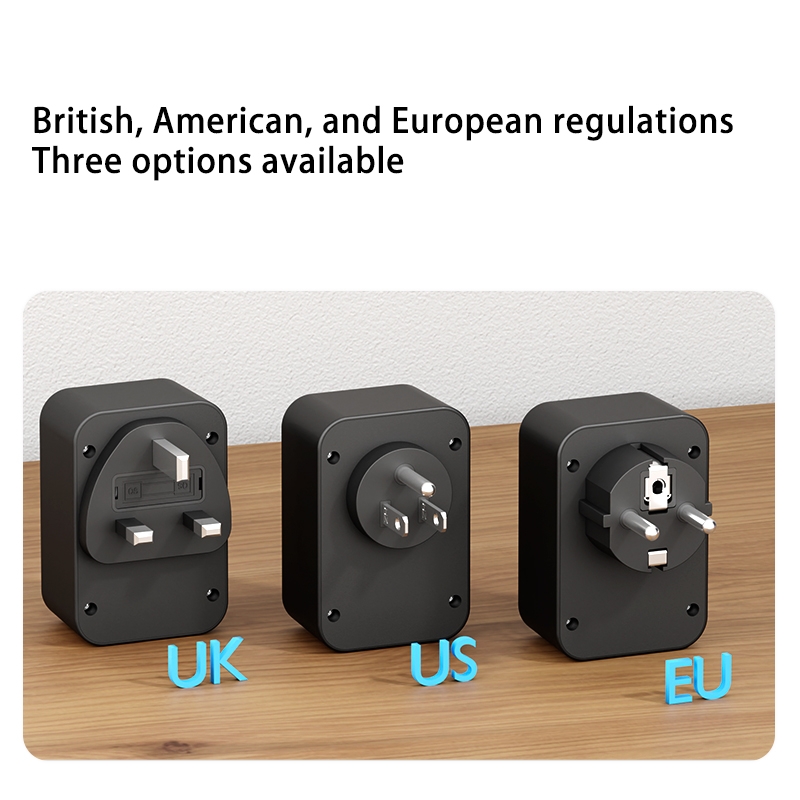
* North American Market: Look for UL 817 (Cord Sets and Power-Supply Cords) or ETL certifications. Ensure the jacket type matches the use case (e.g., SJT for standard indoor use, or STW for heavy-duty outdoor weatherproofing).
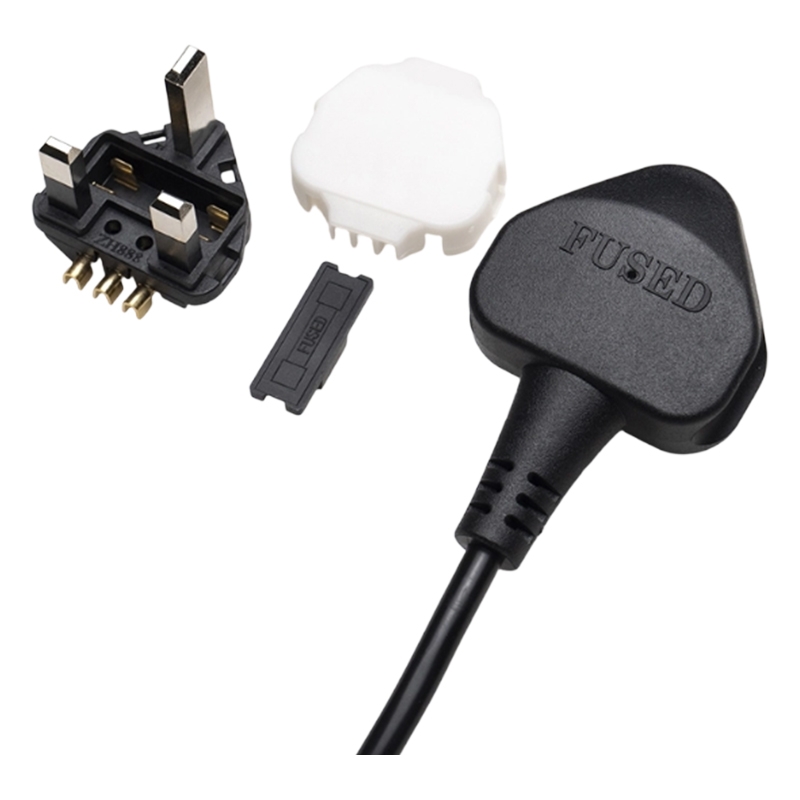
* United Kingdom Market: Cords must fully comply with BS1363-1/A standards and carry the UKCA or CE mark. They should also feature an integrated, certified British fuse to protect against overcurrent.
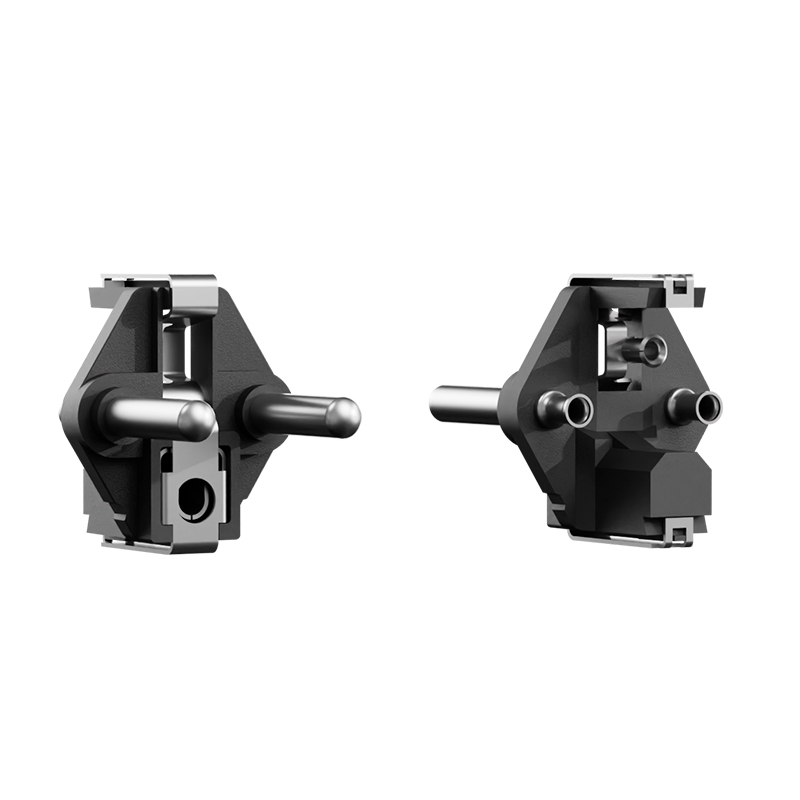
* European Market: Look for the VDE or ENEC mark, with cables specified under harmonized codes such as H05VV-F to ensure proper insulation thickness and safety.
Summary and Final Manufacturer Verdict
At Dongguan Zhenghao Electric Co., LTD (TISDLIP), our 20 years in the industry have taught us one clear lesson: most electrical cord failures are caused by choosing the wrong product for the job, not by inherent defects in the cord itself.
To protect your home or business, match your equipment power needs with the right wire gauge, pick certified products, and always plug high-wattage appliances directly into permanent wall outlets.
Frequently Asked Questions (FAQs) – Expert Answers
Q1: Can I use an extension cord temporarily for a high-wattage appliance?
Manufacturer Answer:
We do not recommend using standard extension cords for high-wattage appliances. Overloading can cause cable overheating, insulation damage, and safety risks. If temporary use is unavoidable, always choose a heavy-duty 12 AWG or 10 AWG extension cord rated for the appliance's current requirement, and never leave it unattended.
Q2: Why does my extension cord plug become warm during use?
Manufacturer Answer:
A warm or hot plug usually indicates overloading or poor electrical contact. Common causes include loose socket connections or undersized copper conductors. If the plug feels unusually hot, stop using the cord immediately to reduce the risk of overheating or fire.
Q3: Are heavy-duty extension cords safe for refrigerators or air conditioners?
Manufacturer Answer:
Even heavy-duty extension cords are not recommended for permanent use with refrigerators, air conditioners, or other continuously running appliances. These devices require stable power connections and can create high startup current surges. A dedicated wall outlet is the safest long-term solution.
Q4: Can I use an extension cord for small kitchen appliances?
Manufacturer Answer:
Low-power appliances usually have lower electrical loads, but kitchens create additional risks due to moisture, heat, and water exposure. If an extension cord is used, it should only be temporary and kept away from sinks, heat sources, and wet areas.
Q5: How long can an extension cord safely be used?
Manufacturer Answer:
Longer extension cords create higher voltage drop and heat loss. For general household use, keep cords as short as practical. For longer distances (50–100 ft), choose a thicker conductor such as 12 AWG or 10 AWG copper wire to maintain safe performance.
Q6: How can B2B buyers choose a reliable extension cord manufacturer?
Manufacturer Answer:
A reliable supplier should provide verified safety certifications, strict quality control, and consistent material standards. Buyers should check certifications such as UL, BS1363, VDE, CE, and confirm the manufacturer uses high-quality copper conductors with a proven quality management system like ISO 9001.
References
* OSHA (Occupational Safety and Health Administration): [General Electrical Safety Standards and Daisy-Chaining Regulations]
* UL (Underwriters Laboratories): [UL 817 Standard for Cord Sets and Power-Supply Cords Technical Requirements]
* NFPA (National Fire Protection Association): [National Electrical Code (NEC) Rules on Continuous Loads and Extension Cord Use]
* ESFI (Electrical Safety Foundation International): [Residential Electrical Safety Data and Extension Cord Overload Prevention Guidelines]



 Email
Email