


Plug Insert (Power Plug Insert / Plug Internal Frame): Complete Guide to Definition, Types, International Standards & Selection
Content Menu
● 1. What Is a Plug Insert? Core Functions and Terminology
● 2. Classification by Shape and Material: 2-Pin vs 3-Pin, Hollow vs Solid
>> 2.1 Classification by Number of Pins
>> 2.2 Classification by Construction Material
● 3. Regional Standards and Common Plug Insert Types
>> 3.1 Type I / Chinese & Australasian Standards (China, Australia, New Zealand, Argentina, etc.)
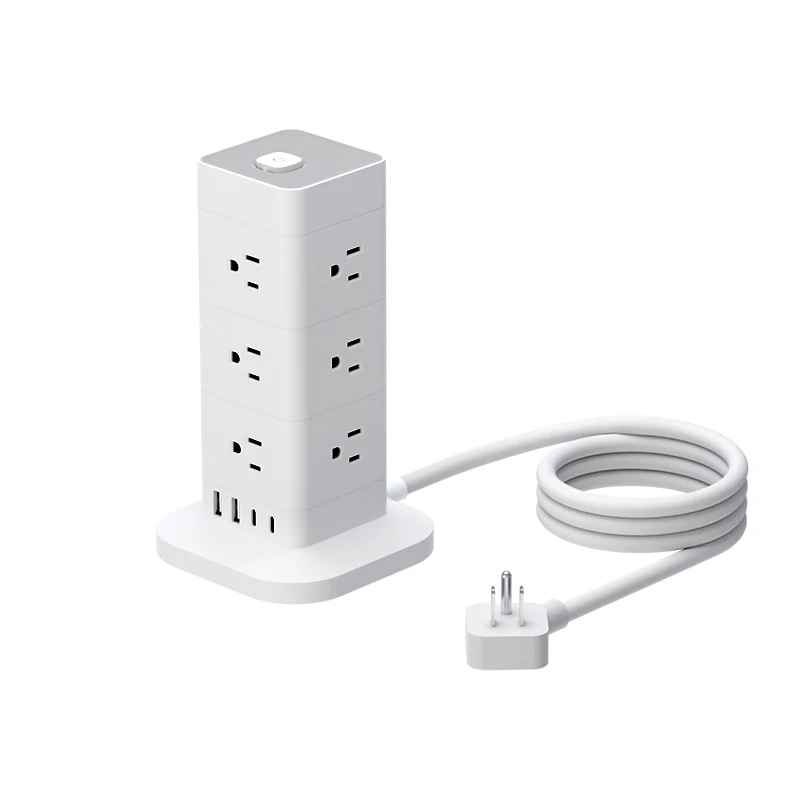
>> 3.2 NEMA Plug Internal Frame (North America, Japan, Taiwan, parts of Brazil, etc.)
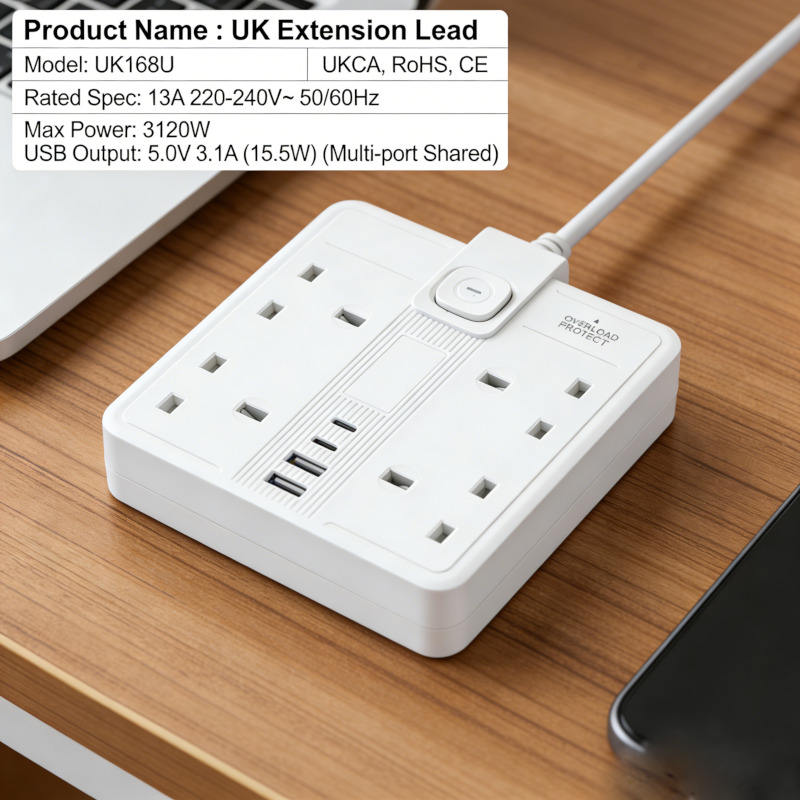
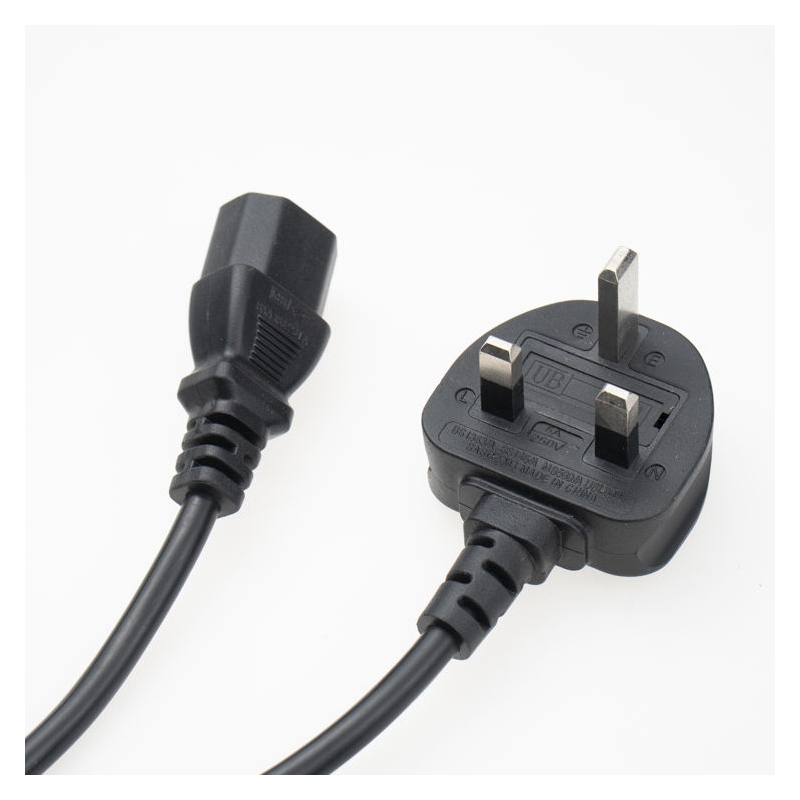
>> 3.3 UK Plug Internal Frame (United Kingdom, Hong Kong, Singapore, Malaysia, India, etc.)
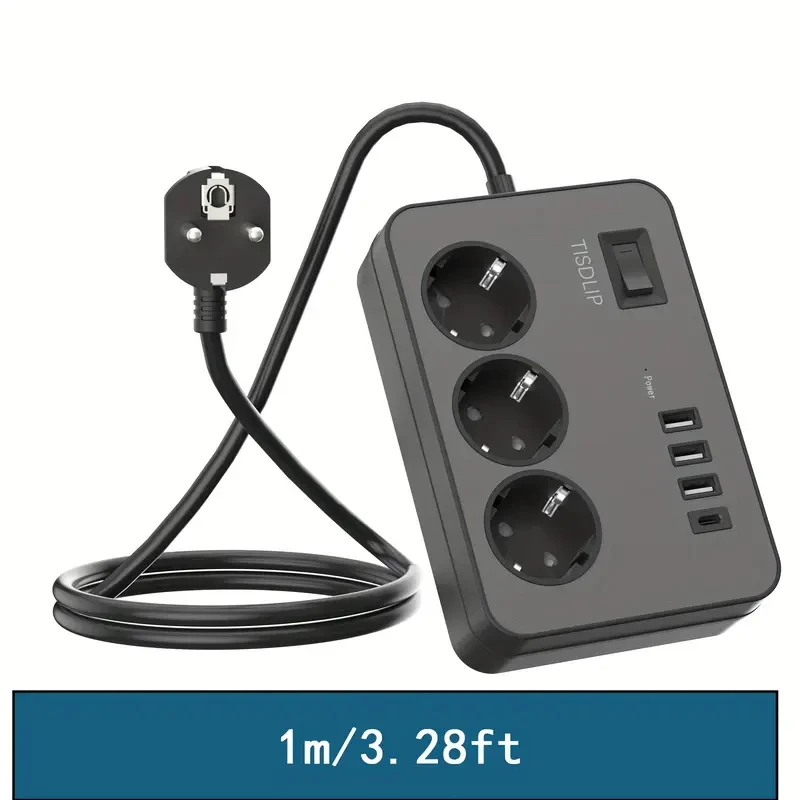
>> 3.4 Continental European (German/French) Plug Inserts (Most of Europe, Korea, Russia, etc.)
● 4. Key Technical Parameters and Certification Requirements
● 5. Practical Value-Add: Step-by-Step Selection and Molding Process
● 6. Usage Precautions and Safety Notes
● 7. Conclusion and Call to Action
● Frequently Asked Questions (FAQ)
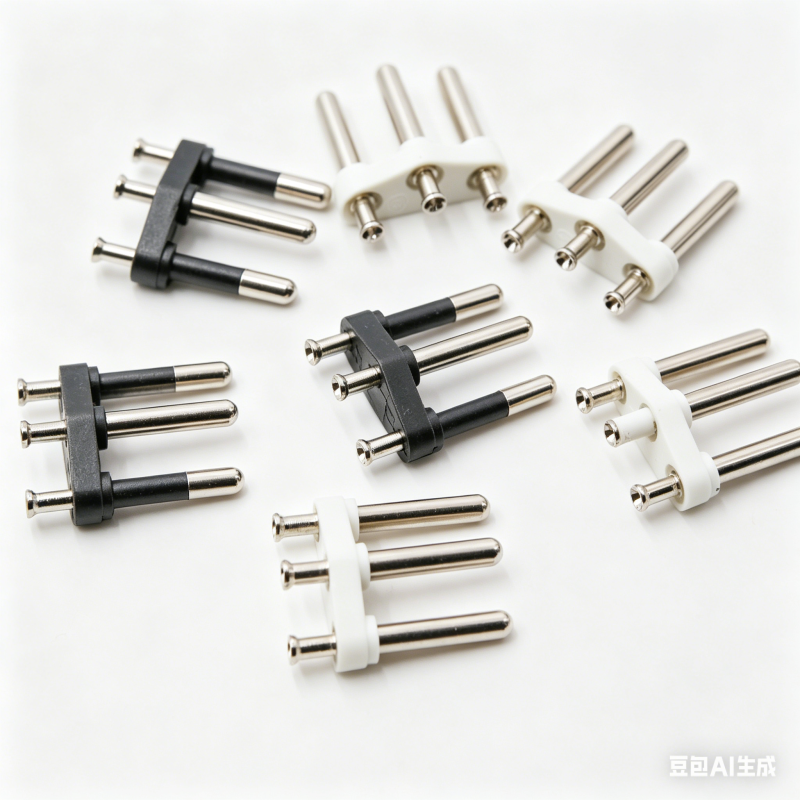
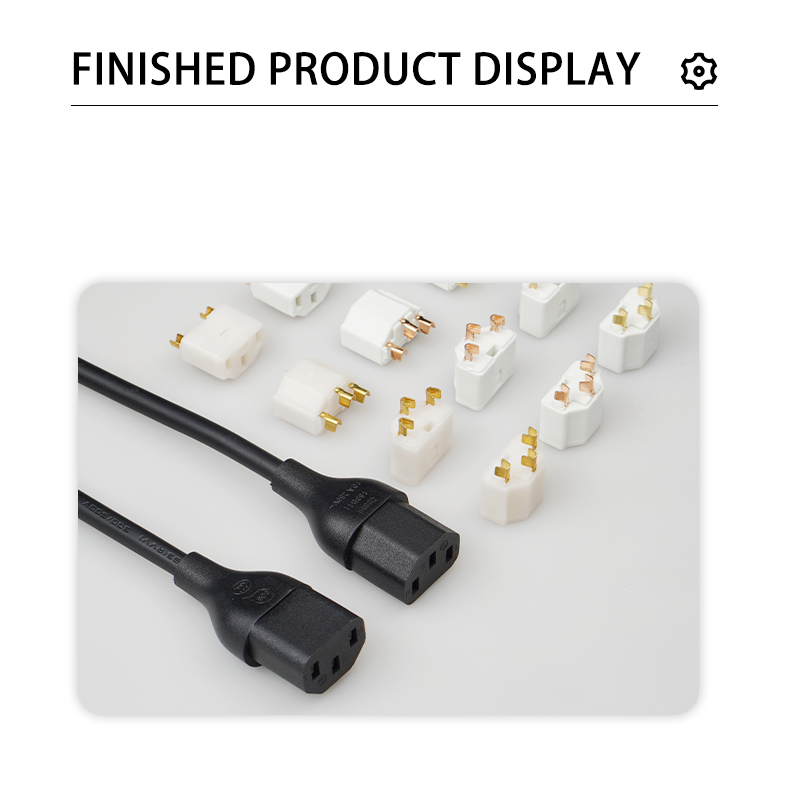
A plug insert (also known as power plug insert, plug internal frame, plug inner frame, or plug bridge) is the critical internal component used to connect power cords inside molded electrical plugs. It consists of conductive pins and an insulating skeleton that securely terminates the live (L), neutral (N), and earth wires. This component ensures electrical safety, mechanical strength, and dimensional compliance of the finished plug.
Incorrect pin dimensions can lead to poor contact, overheating, or safety hazards. Selecting the correct plug insert that matches the target market's standards is essential for power cord manufacturers and OEM producers. This guide covers definitions, classifications, major international standards, technical parameters, material differences, and practical selection advice—plus actionable steps that go beyond basic descriptions.

1. What Is a Plug Insert? Core Functions and Terminology
A plug insert is the internal accessory that forms the conductive and structural core of a power plug. Common alternative names include plug internal frame, plug bridge, plug skeleton, plug inner mold, and power plug insert.
Its main functions are:
- Accurately positioning the live, neutral, and earth pins
- Serving as the rigid skeleton during injection molding
- Providing reliable electrical pathways and mechanical support
Plug inserts are classified by pin count (2-pin plug insert vs 3-pin power plug insert) and by construction (hollow pin plug insert vs solid pin plug internal frame).
Standards vary widely by region. Always confirm voltage, current rating, pin geometry, and required certifications before selecting a plug insert.
2. Classification by Shape and Material: 2-Pin vs 3-Pin, Hollow vs Solid
2.1 Classification by Number of Pins
2-pin plug insert (2 pin plug inner frame)
Connects only live (L) and neutral (N). No earth pin. Common round-pin diameters: 4.0 mm, 4.8 mm, 5.0 mm. Many designs are non-polarized and can be inserted in either orientation. Suitable for Class II (double-insulated) low-power appliances.
3-pin electrical plug insert (3 pin power plug insert)
Adds an earth pin so the plug fits the socket in only one orientation. Earth pin diameters commonly include 7.0 mm and 8.7 mm. Required for Class I equipment that needs protective earthing.
2.2 Classification by Construction Material
Type,Structure,Key Advantages,Typical Applications
Hollow pin plug internal frame,Hollow pins made from brass sheet, filled with plastic Lower copper usage, lighter weight, lower cost, good heat dissipation,Medium- to low-current household products, high-volume production
Solid pin plug internal frame,Solid pins machined from brass rod,Higher mechanical strength, more stable contact, better durability under repeated insertion and Higher-current, industrial, or frequently plugged devices
Both hollow and solid pins can meet major international standards when dimensions and materials are correct. Solid pins generally offer superior long-term reliability in demanding environments.
3. Regional Standards and Common Plug Insert Types
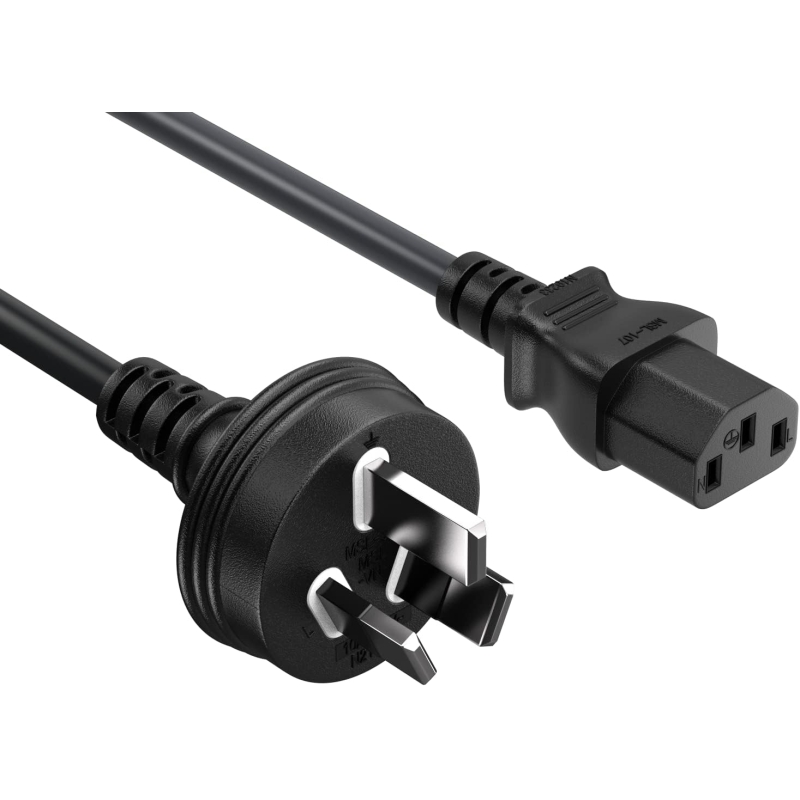
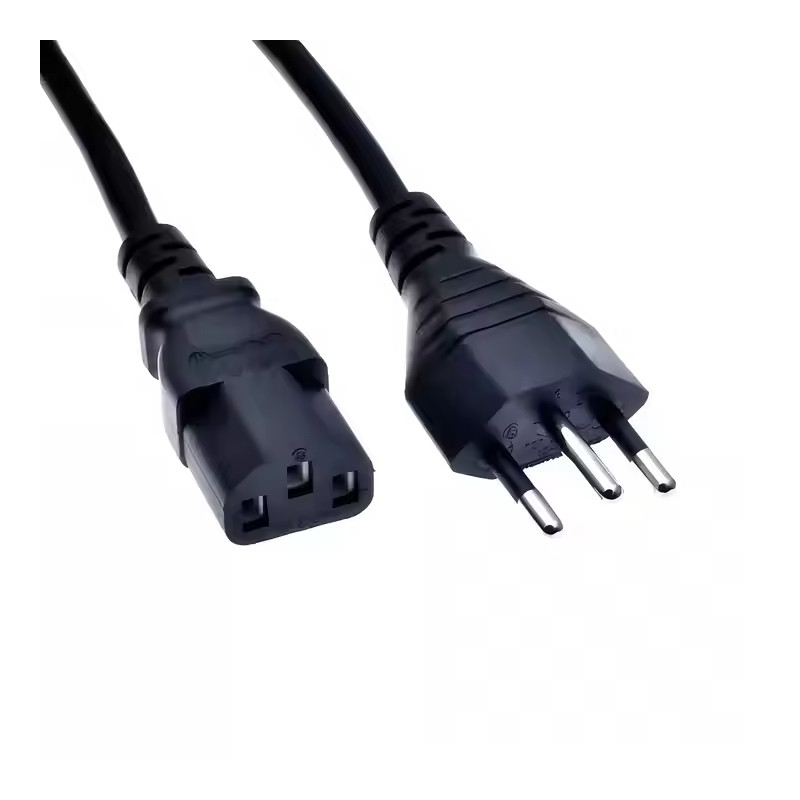
3.1 Type I / Chinese & Australasian Standards (China, Australia, New Zealand, Argentina, etc.)
- Flat-pin design (two-pin or three-pin).
- Typical Chinese rating: 10 A / 250 V.
- Australia/New Zealand follow AS/NZS 3112 (partial pin insulation required since 2004).
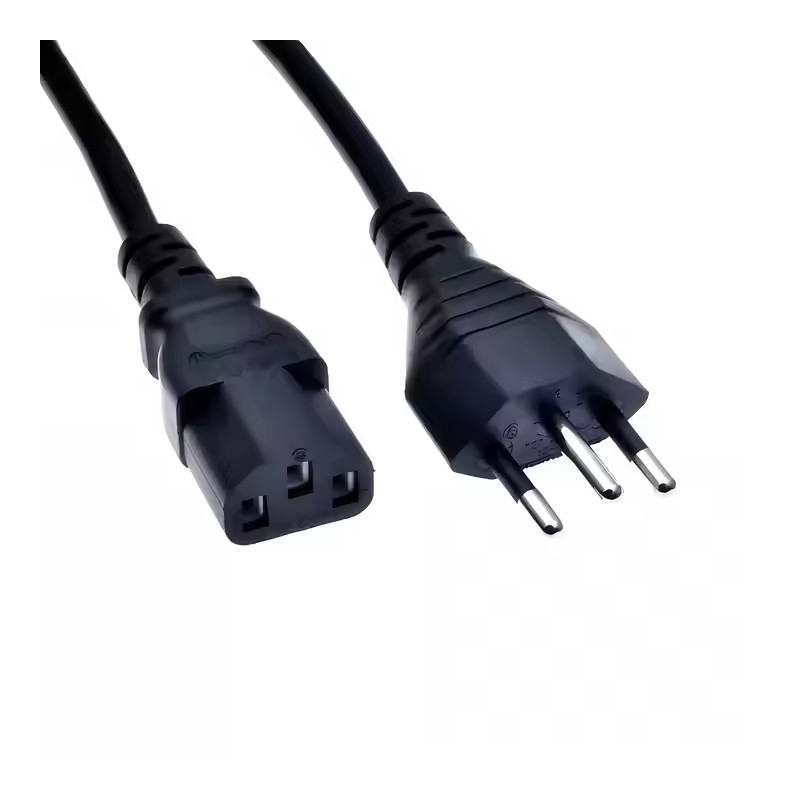
- Argentine IRAM 2073 is visually similar to Chinese Type I but may reverse polarity—verify carefully.
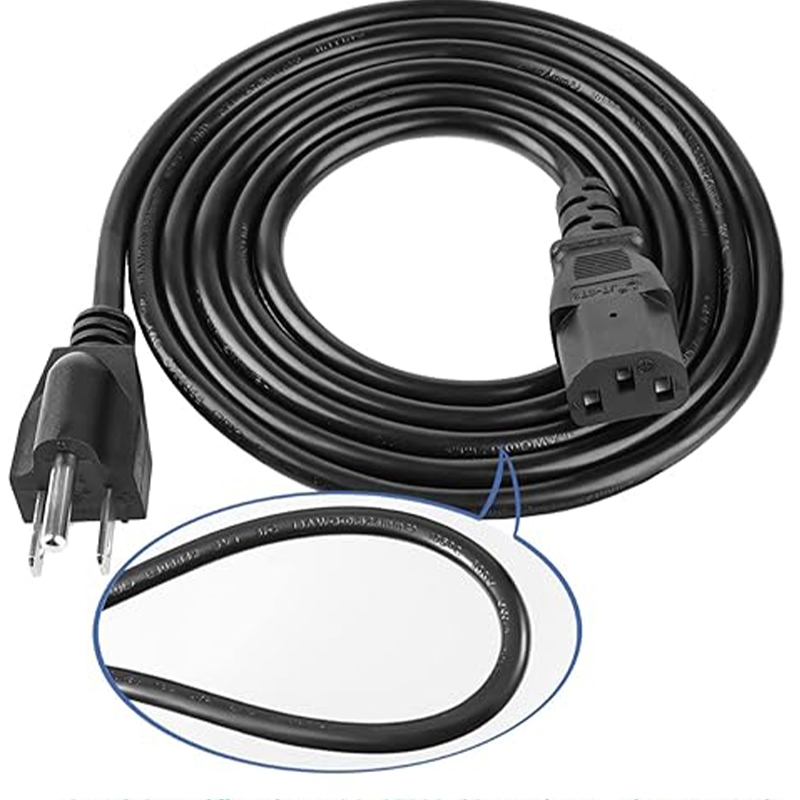
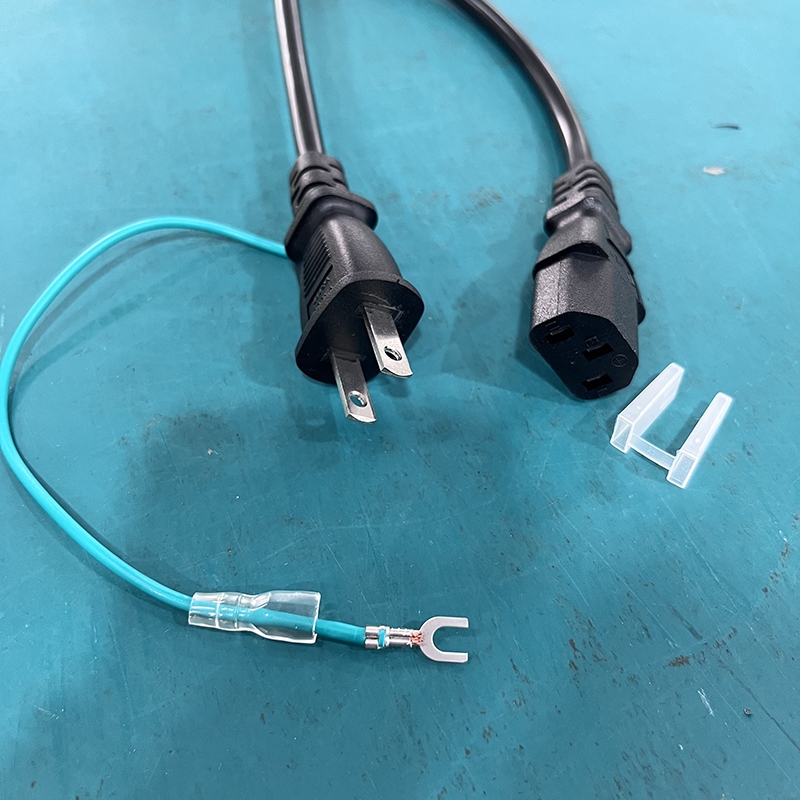
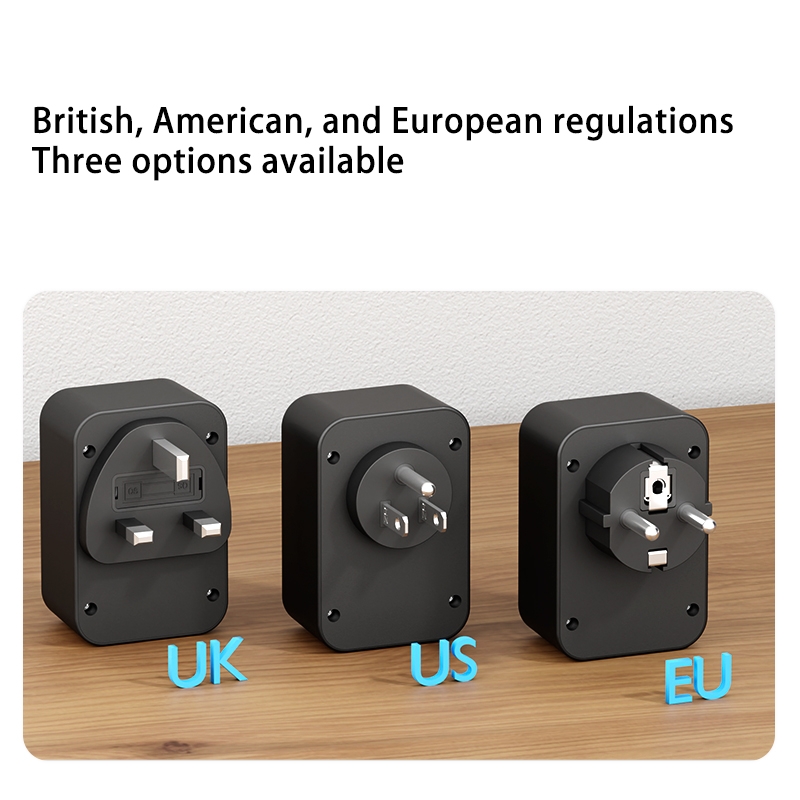
3.2 NEMA Plug Internal Frame (North America, Japan, Taiwan, parts of Brazil, etc.)
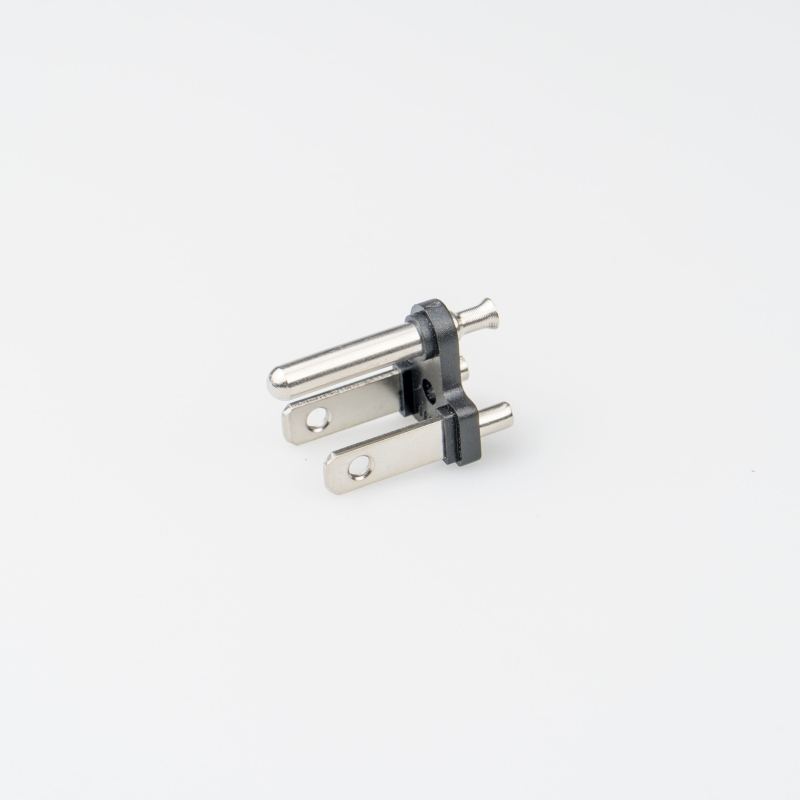
- NEMA 1-15 (Type A): Ungrounded two flat parallel blades, 15 A / 125 V.
- NEMA 5-15 (Type B): Two flat blades + round or U-shaped earth pin, 15 A / 125 V.
- Nominal voltage 110–120 V; not interchangeable with European or Chinese systems.
- Polarized two-pin versions exist: the narrower blade is live; the neutral slot is usually on the left of the receptacle.
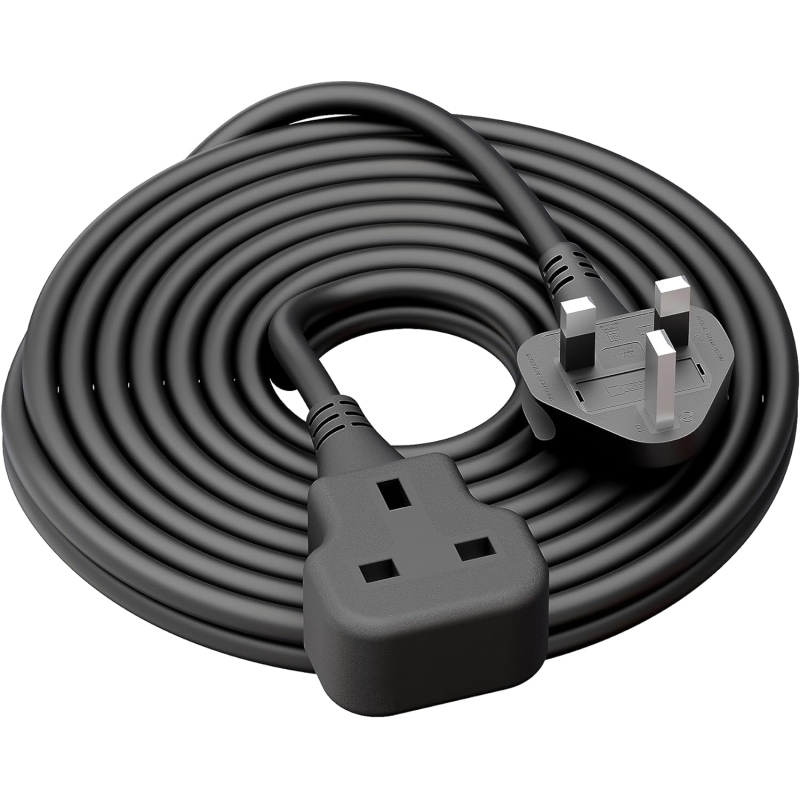
3.3 UK Plug Internal Frame (United Kingdom, Hong Kong, Singapore, Malaysia, India, etc.)
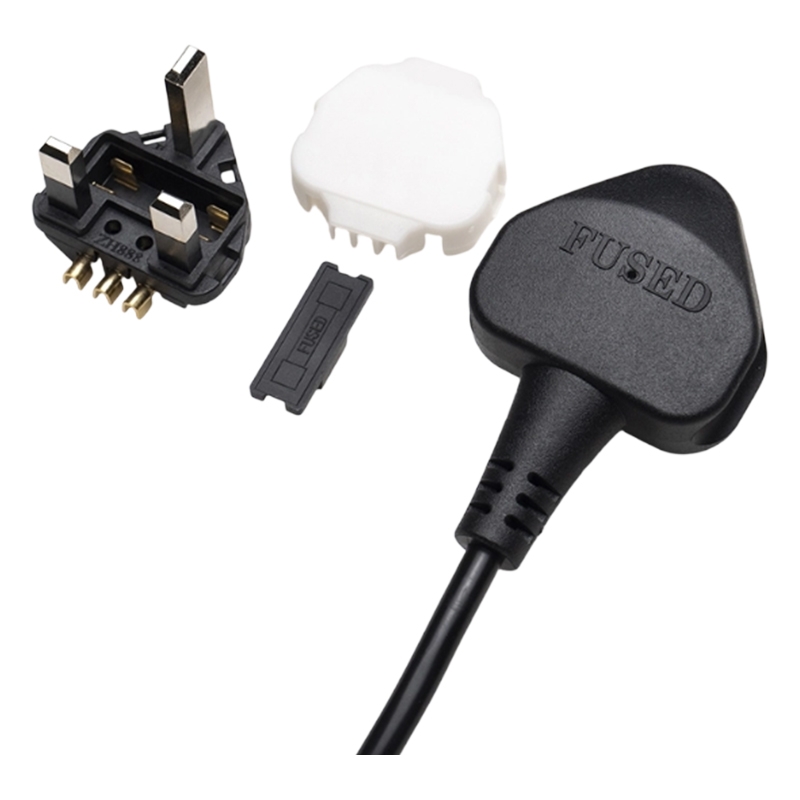
- Three rectangular pins.
- Wiring convention: left = neutral, right = live, top = earth.
- Live and neutral pins often have insulating sleeves for added safety.
- BS certification required for the UK market; some Middle Eastern markets also require SASO or equivalent.
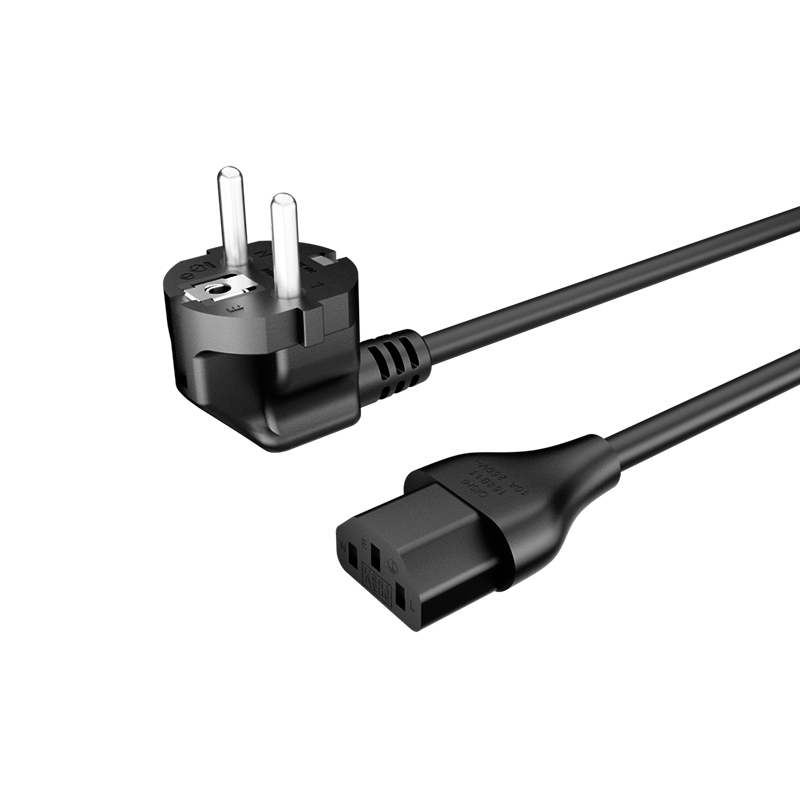
3.4 Continental European (German/French) Plug Inserts (Most of Europe, Korea, Russia, etc.)
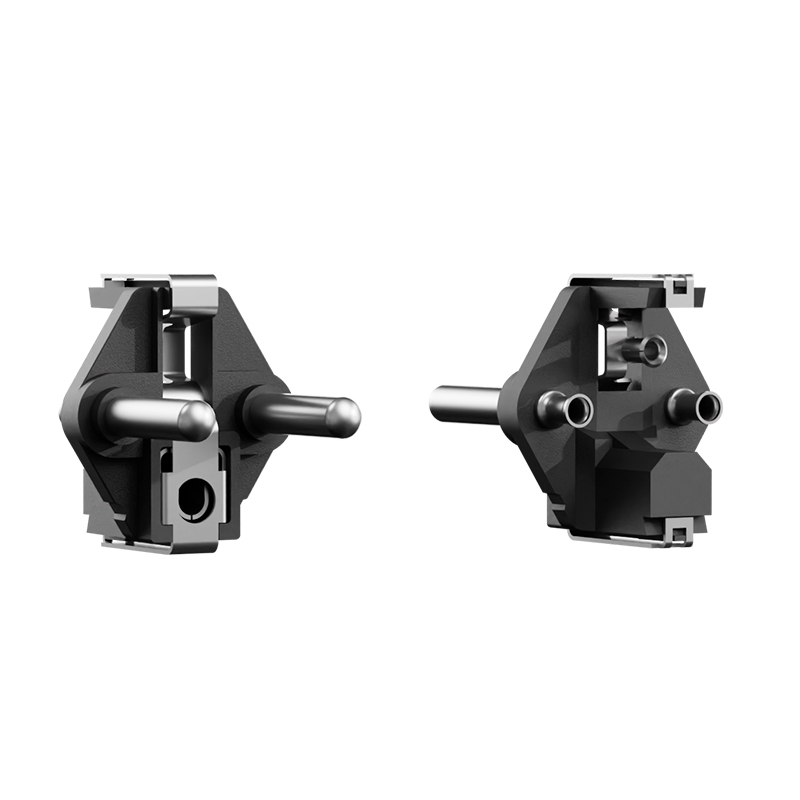
- CEE 7/16 (Europlug, Type C): Two round pins ≈ 4 mm diameter, partially insulated, rated 2.5 A / 250 V. Non-polarized, widely compatible with many European sockets.
- CEE 7/17: Pins usually 4.8 mm (sometimes 4.0 mm), rated up to 10/16 A / 250 V, unearthed, for higher-power Class II appliances.
- CEE 7/7: Hybrid earthed plug compatible with both German (Schuko) and French sockets, 16 A / 250 V.
Typical European technical parameters: 10/16 A 250 V, pin length ≈ 31 ± 0.2 mm, pin diameter 4.8 mm.

4. Key Technical Parameters and Certification Requirements
High-quality plug inserts typically use:
- Conductive pins: H62–H65 lead-free brass (or equivalent high-conductivity brass), nickel-plated
- Insulating body: 30 % glass-fiber reinforced flame-retardant PBT (UL 94 V-0)
- Certifications: VDE, RoHS, REACH, plus market-specific marks such as CCC, UL, BS, SAA, PSE, etc.
Pin dimensions must stay within tight tolerances. Production batches should undergo contact-resistance, dielectric-strength, insertion/withdrawal cycle, and corrosion tests.
5. Practical Value-Add: Step-by-Step Selection and Molding Process
1. Define the target market and appliance class
Confirm voltage/current, need for earthing, and whether the product is Class I or Class II.
2. Match the exact standard and required certifications
Check the latest version of the relevant standard (AS/NZS 3112, BS 1363, CEE 7 series, NEMA WD-6, etc.).
3. Choose pin construction and material
Prefer hollow pins for cost-sensitive, low-to-medium current products; solid pins for high-current or heavy-duty use.
4. Verify dimensional drawings and tolerances
Cross-check pin diameter, length, spacing, and insulation sleeve length against the official standard sheets.
5. Conduct pilot molding and safety testing
Run small-batch over-molding trials and perform temperature-rise, dielectric, and mechanical tests before full production.
6. Audit the supplier
Request material composition reports, RoHS/REACH test certificates, and valid approval certificates.
Following this sequence significantly reduces the risk of non-compliance and costly recalls.
6. Usage Precautions and Safety Notes
- Plug standards are not interchangeable between regions—never force-fit.
- Out-of-tolerance pins are a leading cause of poor contact and safety incidents.
- Prioritize inserts that carry recognized certifications (VDE, RoHS, REACH, etc.).
- Observe correct polarity wiring, especially for polarized American and British designs.
7. Conclusion
Although the plug insert is hidden inside the finished power cord, it directly determines safety, compatibility, and market access. From 2-pin to 3-pin, hollow to solid, NEMA to CEE, BS and AS/NZS, matching the correct standard and material is non-negotiable.
Take action now:
Review your current plug inserts against the classifications and parameters in this guide. Confirm they meet the latest standards and certification requirements for your target markets. For technical drawings, samples, or custom solutions, contact a specialized power-cord and plug insert supplier today.
Frequently Asked Questions (FAQ)
Q1: What is the difference between a plug insert and a finished plug?
A: The plug insert is the internal pin-and-frame assembly used during molding. The finished plug is the complete over-molded product that includes the outer housing and the attached power cord.
Q2: Which is better—hollow pin or solid pin?
A: Hollow pins are lighter and more cost-effective for low-to-medium current applications. Solid pins offer higher mechanical strength and better thermal stability for high-current or frequent-use scenarios. Both can meet standards when properly manufactured.
Q3: Can CEE 7/16 and CEE 7/17 be used interchangeably?
A: No. CEE 7/16 (Europlug) is limited to 2.5 A with ≈ 4 mm pins. CEE 7/17 is rated higher (up to 16 A) with typically 4.8 mm pins and a different body profile. Always match the rating to the appliance's power demand.
Q4: Is VDE certification mandatory for European markets?
A: While not always legally mandatory in every country, VDE (or equivalent recognized European certification) is strongly recommended to demonstrate compliance with the Low Voltage Directive and national standards, reducing market-entry risk.
Q5: How can I verify that a plug insert is environmentally compliant?
A: Request RoHS and REACH test reports. Confirm the brass is low-lead (e.g., H62–H65 within restricted limits) and that the plastic is flame-retardant PBT free of restricted substances.
Q6: Can a NEMA plug insert be used in the Chinese market?
A: No. Voltage, pin shape, and standards are completely different. Using the wrong type creates serious safety risks and will fail local certification.
References
1. Wikipedia – AS/NZS 3112. https://en.wikipedia.org/wiki/AS/NZS_3112
2. Wikipedia – Mains electricity by country. https://en.wikipedia.org/wiki/Mains_electricity_by_country
3. Wikipedia – AC power plugs and sockets. https://en.wikipedia.org/wiki/AC_power_plugs_and_sockets
4. Wikipedia – NEMA connector. https://en.wikipedia.org/wiki/NEMA_connector
5. Wikipedia – CEE 7 standard AC plugs and sockets. https://en.wikipedia.org/wiki/CEE_7_standard_AC_plugs_and_sockets
6. Wikipedia – Europlug. https://en.wikipedia.org/wiki/Europlug
7. Interpower – National Power Mains White Paper. https://www.interpower.com/ic/product-application-library/national-power-mains-white-paper/
8. World Standards – Power plug & outlet Types A & B. https://www.worldstandards.eu/electricity/plugs-and-sockets/ab/
9. Green Electric China – Plug Inserts. https://www.gepowercord.com/product/plug-insert/
10. BEVIEW – Hollow Brass Plug Pins vs. Solid Brass Plug Pins. https://www.pluginsert.com/hollow-brass-plug-pins-vs-solid-brass-plug-pins-a-complete-engineering-guide/
11. Museum of Plugs and Sockets (CEE and Europlug pages). https://www.plugsocketmuseum.nl/
(Sources are publicly available standard interpretations and industry technical resources. Always verify against the latest official standards and certification-body documents for procurement decisions.)



 Email
Email