
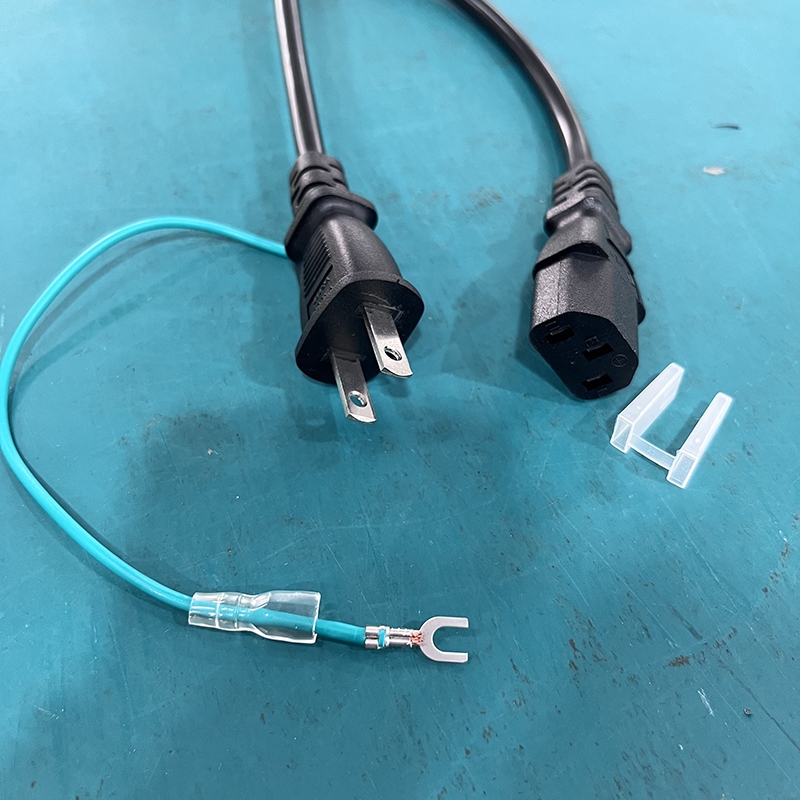
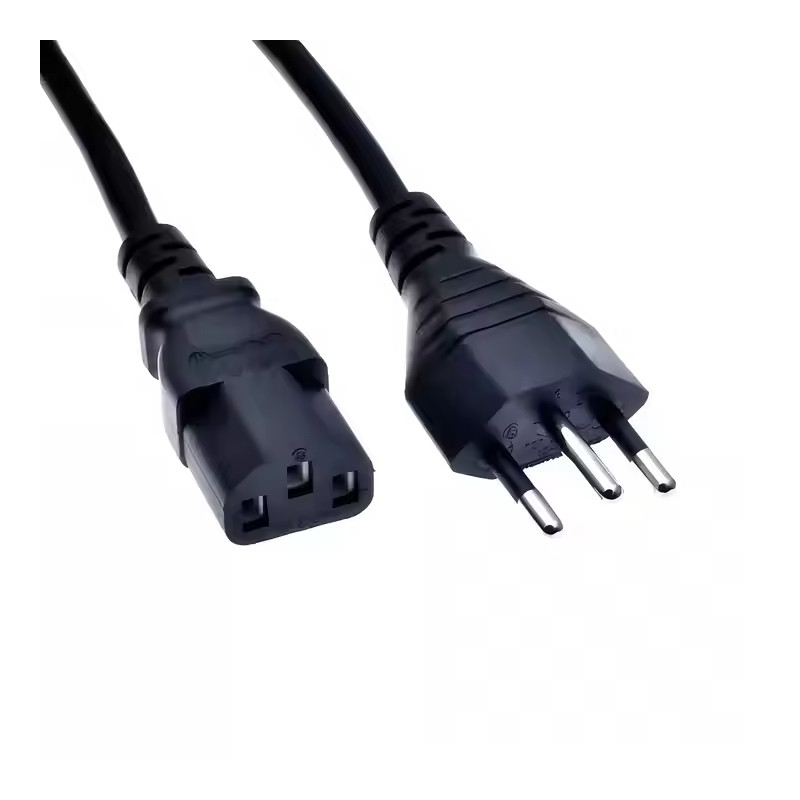
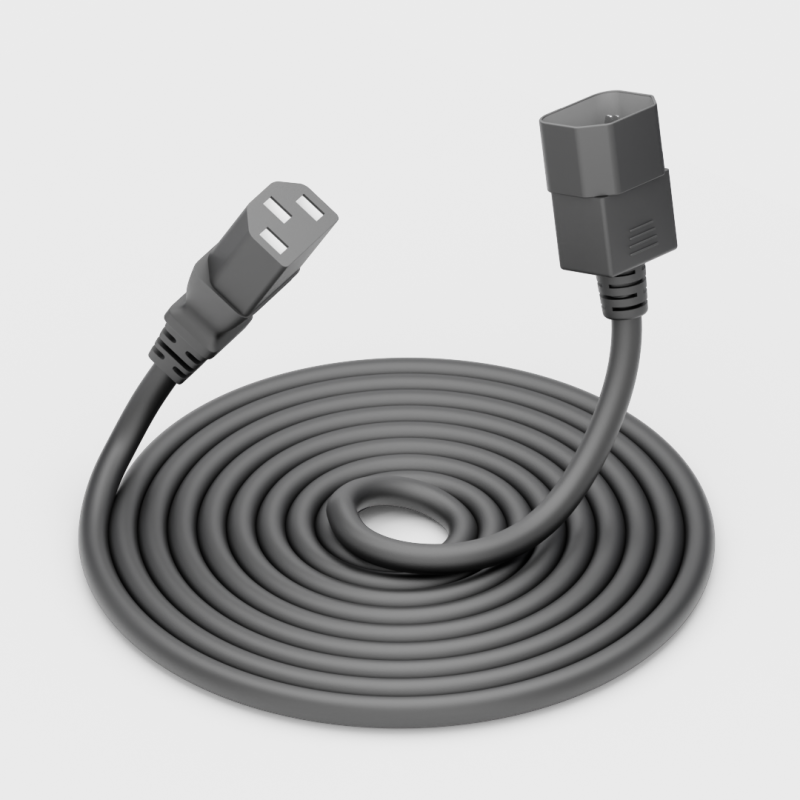
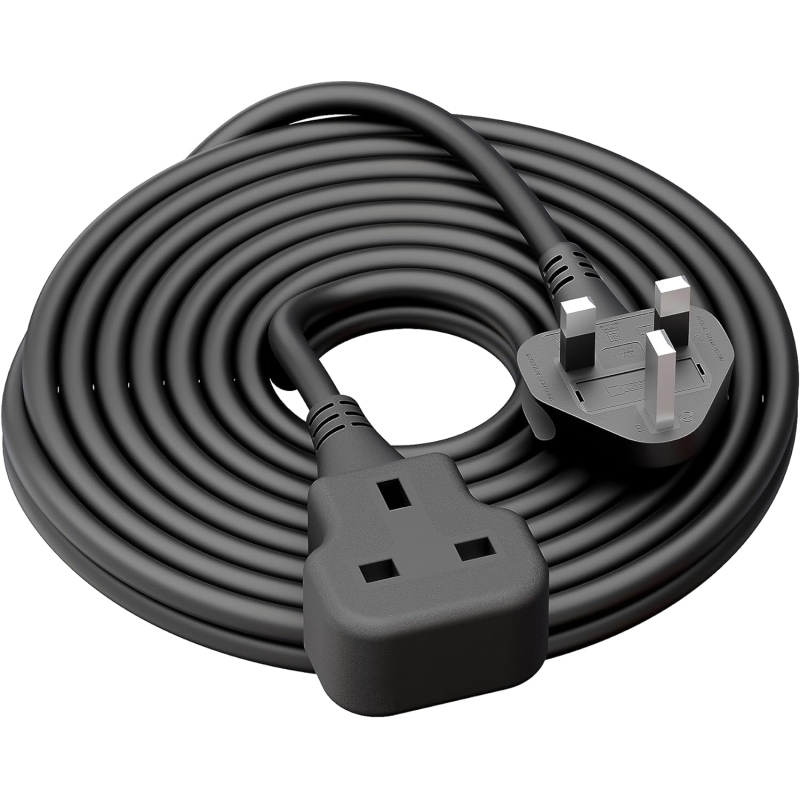


How to Quickly Evaluate the Quality of an IEC C13 Connector Plug Insert? A 20-Year Factory Expert Guide
Author: TISDLIP Engineering Team | Issued by: Dongguan Zhenghao Electric Co., LTD

Introduction: Low-Cost Inserts and Their Astronomical Hidden After-Sales Costs
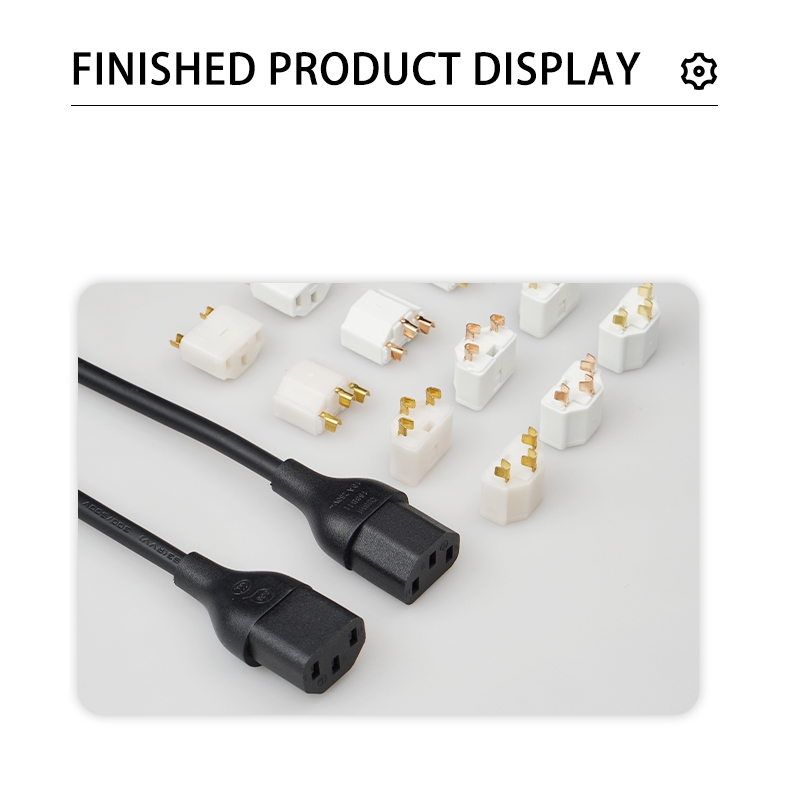
In the expansive global power cable and supply chain market, for multinational OEM brands, AC power cord manufacturers, and precision power plug assembly factories, the IEC C13 connector plug insert is often perceived as a minor, low-cost bill-of-materials (BOM) item. However, the golden rule of electrical engineering dictates that the ultimate safety ceiling, lifespan, and regulatory approval of an entire power cord assembly depend entirely on this tiny internal insert.
Procurement teams are frequently lured by low-priced plug inserts during requests for quotation (RFQs) and bidding phases. The unit price discrepancy between suppliers can range from 20% to over 50%. Experienced industry professionals understand that such price differences do not represent minor shifts in profit margins. Instead, they indicate compromises in raw material chemical purity, mold tolerances, automated assembly precision, and compliance verification costs. Utilizing substandard plug inserts can lead to thermal runaway, plastic melting, poor pin contact resistance, and electrical arcing fires. These failures translate directly into catastrophic product recalls, brand damage, and high liability costs. Based on TISDLIP's 20+ years of precision manufacturing experience in Guangdong, China, this whitepaper provides an actionable, highly technical methodology to evaluate IEC C13 connector plug inserts.

Phase 1: Sensory Inspection — Unlocking Material Secrets Through Sight and Smell
Before proceeding with costly laboratory tests, quality control engineers can filter out over 80% of low-quality recycled plastic inserts using basic sensory inspection.
1. Structural Inspection of the Plastic Shell: Fluid Dynamics and Mold Precision
High-grade IEC C13 plug inserts must be injection-molded using virgin, flame-retardant PBT (Polybutylene Terephthalate) or top-tier flame-retardant PP (Polypropylene) engineering plastics.
Premium Quality Indicators: The plastic surface should feature a consistent matte-to-subtle satin texture with uniform color distribution. Under direct light, the edges and internal walls must be completely free of sink marks, air pockets, burrs, flashing, or micro-cracks. The injection gate marks must be flush, showcasing optimized material flow characteristics and professional mold venting.
Substandard Quality Warnings: Inserts made with recycled scrap, regrind material, or excessive waste plastic exhibit a dull, uneven grayish-black appearance. Their surfaces often display visible impurity specks, flow lines, surface depressions, or silver streaks. These materials are highly brittle under shear stress and prone to cracking during high-velocity assembly processes.
2. Olfactory Evaluation: Direct Detection of Volatile Organic Compounds (VOCs)
The purity of flame-retardant additives and polymer carriers can be verified through smell. Virgin PBT/PP compound molded under precise temperature parameters releases virtually no pungent or harsh chemical odor at room temperature.
If an insert emits a sharp, acrid plastic smell, burnt chemical odor, or strong solvent fumes, it indicates the use of cheap, unsorted post-consumer recycled plastics, low-grade scrap regrind, or non-compliant halogenated flame retardants. Under prolonged thermal loads and high humidity, these substances degrade rapidly, releasing acidic gases that corrode internal copper terminals and trigger early dielectric breakdown.
Phase 2: Technical Compliance Verification — The Engineering Approval Matrix
Professional AC power cord manufacturers rely on verified engineering specifications and certified independent test reports. Prior to vendor onboarding, the supplier must provide a complete suite of compliance documentation:
| Documentation Type | Key Verification Metrics & Requirements | Critical Importance for B2B Buyers |
|---|---|---|
| Engineering Part Approval (Approval Sheet) | Must include fully toleranced 2D/3D technical drawings, electrical ratings (e.g., 10A/250V or 15A/250V), and comprehensive material callouts. | Serves as the legally binding technical reference for quality audits and incoming quality control (IQC). |
| RoHS 2.0 (10 Substances) & REACH SVHC Report | Certified by accredited laboratories (SGS, TÜV, Intertek). Evaluates levels of Pb, Hg, Cd, Cr(VI), PBBs, PBDEs, and phthalates. | Ensures the finished power cord complies with strict environmental standards in EU, UK, and North American markets. |
| Plastic UL Yellow Card (Material Certification) | Verifies the specific plastic compound grade, confirming a flame-retardant rating of UL94 V-0 and comparative tracking index (CTI). | Guarantees excellent flame retardancy and high surface tracking resistance to prevent electrical fires. |
| Mill Test Report (Metal Alloy Analysis) | Details the chemical composition of the copper alloy (e.g., H59, H62 Brass, or C5191 Phosphor Bronze). | Ensures optimal electrical conductivity and mechanical integrity of the internal contact terminals. |

Phase 3: Deep Dive into Workmanship Details — Terminal Mechanics and Fit Tolerances
The internal engineering of a C13 plug insert dictates its electrical stability over thousands of insertion and withdrawal cycles.
1. Precision Forming and Plating Quality of Metal Terminals
The internal contact terminals are the primary pathways for electrical current. High-quality female contacts must be manufactured using progressive high-speed stamping dies to ensure the metal cut edges are smooth and completely free of sharp burrs. The electroplating layer must be uniform, bright, and free of peeling, pinholes, or oxidation. Microscopic burrs can scratch the mating male pins of equipment inlets, leading to localized arc discharges and increased contact resistance.
2. Terminal Positioning Stability: Eliminating Float and Play
Gently shake the plug insert. If the metal terminals rattle inside the plastic cavities, or if they exhibit physical play when pressed with an inspection probe, the manufacturer has utilized oversized mold cavities or suffers from poor assembly tolerances. During prolonged use under alternating current loads, loose terminals experience mechanical displacement. This reduces the contact surface area between the female insert socket and the male appliance inlet (such as an IEC C14 inlet), leading to a rapid rise in contact resistance.
3. Contact Spring Leaf Thickness and Mechanical Design
The retention force of a female receptacle depends on the design and thickness of its contact springs. Cheap plug inserts often use 0.4mm or thinner brass. These thin contacts undergo plastic deformation after fewer than 50 cycles, losing their spring tension and causing loose connections. High-performance inserts, such as those engineered by TISDLIP, utilize FEA-optimized contact geometries with terminal thicknesses ranging between 0.5mm and 0.6mm, maintaining consistent contact pressure after 5,000+ insertion cycles.
Phase 4: Material Science Comparison — Engineering Polymers and Copper Alloys
Procurement decisions must be backed by solid material science. The table below outlines the performance characteristics of common industry materials:
1. Plastic Housing Base Materials: PBT vs. PP
Flame-Retardant PBT: PBT is the gold standard for high-performance IEC C13 Connector Plug Inserts. It boasts outstanding long-term thermal stability (heat deflection temperatures up to 180°C - 200°C), superior mechanical strength, high dielectric properties, and minimal water absorption. This ensures excellent dimensional stability in highly humid environments.
Flame-Retardant PP: While modified, flame-retardant PP is more affordable and can pass basic temperature rise tests, it exhibits inferior high-temperature rigidity, poor creep resistance, and faster thermal aging compared to PBT. For demanding applications such as enterprise server racks (PDUs) and high-power computing equipment, PBT-based C13 inserts are highly recommended.
2. Contact Terminal Alloys: Brass vs. Phosphor Bronze
Cartridge Brass (e.g., H62, H65 Alloys):
Advantages: Good electrical conductivity, easy to form, and highly cost-effective.
Disadvantages: Moderate elastic modulus and susceptibility to fatigue. Over time and under high temperatures, brass contacts experience stress relaxation (loss of spring tension), resulting in loose connections and thermal issues.
Phosphor Bronze (e.g., C5191 Alloy):
Advantages: Alloyed with tin and phosphorus, this material offers high yield strength, exceptional elastic limits, superior fatigue resistance, lower contact resistance, and outstanding wear/corrosion protection.
Procurement Guidance: Phosphor bronze maintains its spring retention force over thousands of insertion cycles, preventing arcing and overheating. It is the preferred choice for industrial power supplies and medical-grade power cords.
Advanced Manufacturing Perspective: Automated Production and 100% Quality Screening
For global OEM brands targeting zero-defect rates (0 DPPM), high-quality raw materials must be paired with precision manufacturing. Manual or semi-automated assembly lines are prone to human error and batch inconsistencies.
Leading AC power cord manufacturers utilize fully automated production systems. At TISDLIP (Dongguan Zhenghao Electric Co., LTD), our cleanrooms feature integrated high-speed precision stamping systems, multi-station automatic bending and terminal insertion equipment, and automated terminal riveting lines. From material feeding to terminal forming and automated optical inspection (AOI via CCD cameras), the entire process is completed without human intervention.
Additionally, every single TISDLIP plug insert is subjected to 100% automated electrical continuity and high-voltage dielectric breakdown testing directly on the production line. This fully automated screening process eliminates assembly defects and ensures that every batch delivered to our OEM partners is of consistent quality.
Procurement Playbook: 10 Critical Questions to Ask Your Plug Insert Supplier
When negotiating with power cord or plug accessory manufacturers, use these technical questions to evaluate their engineering capabilities and ensure high quality:
Is your IEC C13 plug insert housing molded from 100% virgin flame-retardant PBT resin, or does it contain recycled/reground material?
Can you provide a traceable UL Yellow Card for the specific plastic compound, and does it carry a certified UL94 V-0 rating?
Are the internal contact terminals stamped from standard cartridge brass or premium high-elasticity phosphor bronze (C5191)?
What is the precise nominal metal sheet thickness of your contact terminals? (Recommend minimum 0.5mm)
Can you provide valid, third-party RoHS 2.0 (10 substances) and REACH SVHC compliance reports?
What is your mold cavity configuration, and do you utilize automated CCD visual inspection systems to verify terminal tolerances during assembly?
Can you supply a comprehensive engineering part approval sheet, 2D/3D drawings, and a certified Material Declaration (MD)?
Do you provide free pre-shipment samples (Free Samples Available) for laboratory temperature rise and mating force verification?
For OEM & ODM custom requests, can you modify the terminal tail configuration to match our proprietary automated stripping and crimping processes?
What is your standard production lead time for large-volume orders, and do you support vendor-managed inventory (VMI) for long-term contract clients?
Why Global Brands Choose TISDLIP as Their Strategic Power Cord & Accessory Partner
In today's highly competitive electronics manufacturing sector, collaborating directly with an experienced, vertically integrated factory provides significant strategic advantages over sourcing through intermediaries:
Direct-from-Factory Cost Efficiency: Working directly with the manufacturer eliminates trading markups, allowing you to maximize your budget for high-purity raw materials and robust quality control.
Outstanding Batch-to-Batch Consistency: Supported by advanced automation and an ISO 9001:2015 certified quality system, our production ensures that the 1st, 10,000th, and 1,000,000th plug insert are identical in mechanical dimension and electrical performance.
End-to-End OEM & ODM Customization: Our in-house engineering team can design, prototype, and manufacture custom molds to meet unique technical and spatial requirements.
Rapid Prototyping and Logistics: Situated in Dongguan, Guangdong—the heart of China's electronics manufacturing hub—we leverage local supply chains and logistics networks to offer fast prototyping and reliable lead times.
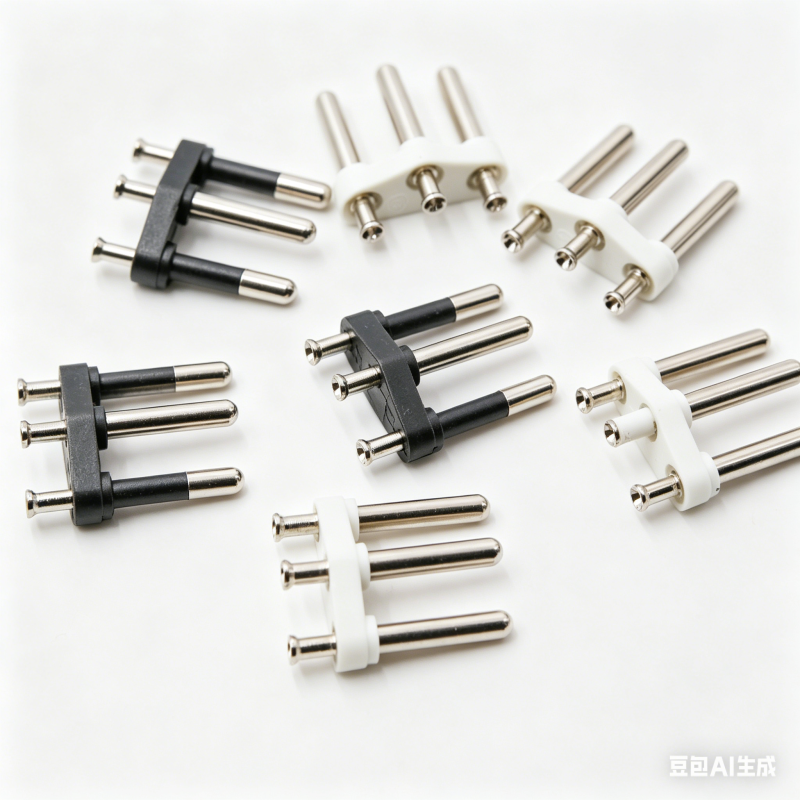
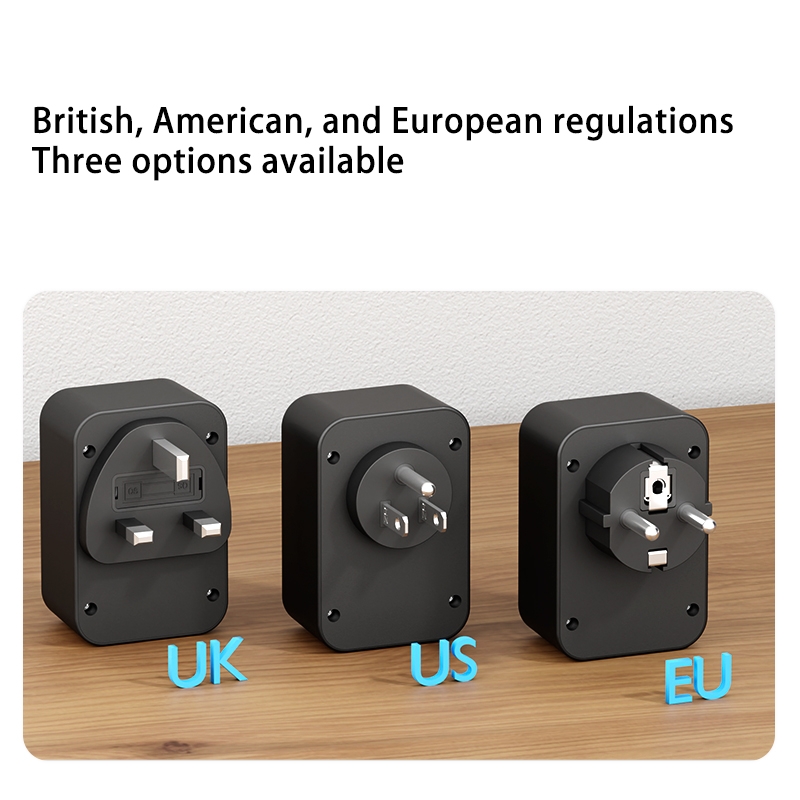
Dongguan Zhenghao Electric Co., LTD (TISDLIP) provides a wide selection of premium IEC C13, C15, C17, and C19 plug inserts, country-specific power plug components, durable power strips, and custom AC power cords to global wire harness assemblers and OEM brands. If you are developing a new product line or optimizing your current supply chain, contact our engineering sales team to request a free sample evaluation kit. Discover why we have been a trusted partner in precision electrical manufacturing for over 20 years.
Frequently Asked Questions (FAQ) Regarding IEC C13 Plug Inserts
References & Industry Technical Standards:
IEC 60320-1 International Standard: Appliance couplers for household and similar general purposes - Part 1: General requirements. Link: International Electrotechnical Commission (IEC) Official Website
UL 94 Standard: Standard for Tests for Flammability of Plastic Materials for Parts in Devices and Appliances. Link: UL Standards Catalog
EU RoHS Directive 2011/65/EU: Restriction of Hazardous Substances in electrical and electronic equipment. Link: European Commission RoHS Directive Portal
PBT Polymer Chemical & Physical Properties: Engineering plastics performance data sheets. Link: DuPont Materials Science Center
C5191 Phosphor Bronze Mechanical Properties: Copper alloy spring limit and elastic modulus standards. Link: Copper Alliance Official Website



 Email
Email